Orchid Advocacy
  • Home
    • About Orchid >
      • Why Orchid?
      • ORCHID'S SYSTEMIC FOCUS & "ROOT CAUSE" ANALYSIS APPROACH TO PROBLEM SOLVING WITH A COMMITMENT TO CREATIVITY & INNOVATION
      • Disclaimers, Limitations and An Invitation
      • Orchid Board
      • Orchid Book Club
      • Conjecture, Science & Translational Research & Medicine
      • Orchid Themes & Symbols
      • The Tipping Point
      • Orchid's Website Advertising Policy
      • Statement for Potential Website Contributors
      • Contact
  • Blogs
    • Val's Blog
    • Val's Blog 2
    • ​TRANSLATIONAL/ ​TRANSITIONAL JUSTICE MONDAY
    • NEURO-DIVERSITY Wednesday
    • Olmstead Law & Order Thursday
    • Translational Medicine Friday
    • Translational Love, Relationships & Neuro-Diversity Saturday
  • Orchid's A-Z Index
    • Crisis Services in CO, the US & Around the World
    • Assertive Community Treatment & Flexible ACT Index
    • Housing & Homelessness Index
    • Criminal Justice
    • Innovation Index
    • For More: See the Main Orchid Index Page
  • US Federal
    • THE IMD RULE & ADMIN. ENFORCEMENT OF DISABILITY CIVIL RIGHTS LAWS
    • Medicaid & Supportive Housing & Housing-Related Services
    • CMS' FAILURE TO COVER HOUSING FOR LTC & THE IMD RULE: WHAT THEY HAVE IN COMMON IS DISCRIMINATION
    • National Take
  • Immunology & Mental Health
    • Alcoholism & the Immune System & Mental Health
    • Brain Injury, the Immune System & Mental Health
    • Celiac Disease & Sensitivities, the Immune System & Mental Illness
    • Mental Illness & The Immune System
    • Racial Discrimination & the Immune System & Mental Health
    • Trauma & the Immune System & Mental Health
    • ***Physical Health Issues, the Immune System & Mental Health Index
  • University of Chicago: Institute of Translational Medicine
  • Hot Topics
    • What We Want --- SAMHSA Grant Opportunities Due Jan. 22, 2019
    • Anti-Social Personality Disorder >
      • DECONSTRUCTING ANTISOCIAL PERSONALITY DISORDER AND PSYCHOPATHY: A GUIDELINES-BASED APPROACH TO PREJUDICIAL PSYCHIATRIC LABELS [Hofstra Law Review 2013]
      • Personality Disorders -- Unscientific & Vague -- Must Be Reformed
    • Executive Functioning & "Prison Brain" >
      • Job Accommodation Network on Executive Functioning Deficits
    • Medicaid & Medicare Network Adequacy >
      • OIG: STATE STANDARDS FOR ACCESS TO CARE IN MEDICAID MANAGED CARE (Sept. 2014)
      • OIG: ACCESS TO CARE: PROVIDER AVAILABILITY IN MEDICAID MANAGED CARE (Dec. 2014)
      • GAO 15-710: MEDICARE ADVANTAGE: Actions Needed to Enhance CMS Oversight of Provider Network Adequacy (Aug. 2015)
      • CMS: Promoting Access in Medicaid and CHIP Managed Care: A Toolkit for Ensuring Provider Network Adequacy and Service Availability (April 2017)
    • Medicaid Mental Health & Substance Use Disorder Parity >
      • CMS Parity Compliance Toolkit Applying Mental Health and Substance Use Disorder Parity Requirements to Medicaid and Children’s Health Insurance Programs [Jan. 17, 2017]
      • Frequently Asked Questions: Mental Health and Substance Use Disorder Parity Final Rule for Medicaid and CHIP [CMS October 11, 2017]
    • Olmstead Disability Rights >
      • Statement of the Department of Justice on Enforcement of the Integration Mandate of Title II of the Americans with Disabilities Act and Olmstead v. L.C. (2011)
      • Comprehensive Olmstead Planning
      • the Logical Long Term Consequences of our failure to provide Intensive Community MH Treatment
      • Olmstead Nation ---State Pages: How Far to Comply with Olmstead?
  • Take A Walk Around Orchid's Resource Block
  • Colorado Abuse & Neglect Scandals Involving People with Disabilities
  • Mental Health By The Numbers
  • New Science Is Amazing AND It Has HUGE Moral Implications for Our Society: NOW
  • Olmstead & Homelessness
  • Double V
  • " 'Defund the Police" Means 'Invest in the Resources Our Communities Need' " or Don't Cost Shift to the Police
  • VAGUE OLMSTEAD PLANS, EXPENSIVE LITIGATION
  • Updating & Reforming our Understanding & Treatment of "Anti-Social Personality Disorder" Blog
  • Reform of " Anti-Social Personality Disorder" in Criminal Justice
  • CO HB22-1278
  • New Understandings Matter
  • Mental Health, Ethics & Law
  • CO Olmstead Disability Homeless Law & Policy Project
  • Inflammation, the Immune System, Neuro-Developmental Disorders, Psychiatric Disorders, Substance Use Issues & Chronic Disease
  • Microglia and the Brain's Immune System
  • Substance Issues & the Immune System


Translational Medicine Friday

Mitochondrial transplantation to address psychiatric Disorders

4/26/2026

 
Val's Take/Conjecture
  • ​For a simplied version of what seems to be going on in many cases of Neuro-Developmental and Psychiatric Disorders.
    • ​Maternal Immune Activation dysregulates Microglia
    • Which in turn leads to Mitochondrial Dysfunction.
  • Microglial dysregulation and Mitochondrial Dysfunction are associated with a wide range of disorders and illnesses, some of which do have psychiatric symptoms.
  • There is more and more a "MECHANISTIC" paradigm that the body is unable to sufficiently fuel the brain due to metabolic abnormalities.
  • Further due to microglial dysregulation and lack of pruning, neuro-diverse people often start out with more Synapses.
  • Those additional Synapses are placing a higher energy burden on already dysfunctional mitochondria.
  • As adults, neuro-diverse people often have fewer Synapses.
Picture
Mitochondrial Transplantation in Animal Models of Psychiatric Disorders: A Novel Approach to Psychiatric Treatment (2025)

*Japanese Researchers
Picture
Mitochondrial transplantation in brain disorders: Achievements, methods, and challenges (2025)

*Swiss Researchers

Personalized synapse proteomics, Dr. Zacharie Taoufiq and the Okinawa Institute of Science and Technology

4/26/2026

 
"Dr. Zacharie Taoufiq, a neuroscientist at OIST (Okinawa Institute of Science and Technology), discusses his groundbreaking work on personalized synapse proteomics.

This innovative technology aims to address the challenges in diagnosing and treating neuropsychiatric disorders.

By recreating neurons from patients' blood samples and analyzing synaptic protein composition, Dr. Taoufiq's team can access crucial brain molecular information from living patients.

Their research has successfully differentiated between schizophrenia and healthy individuals using AI algorithms.

The ultimate goal is to support the development of personalized therapies for psychiatric disorders, potentially transforming diagnosis and treatment approaches in neuroscience and psychiatry."
​Okinawa Institute of Science and Technology (OIST)
Personalized Proteomics: Dr. Zacharie Taoufiq's Breakthrough in Psychiatric Disorder Treatment

Multi-omics and aging clocks

4/23/2026

 
​​Val's Take/Conjecture:  In addition to the China Brain Multi-omics Atlas Project (CBMAP), China is also involved with the X-Age Project to Construct a Chinese Aging Clock.
Picture

Aging clocks and neurodevelopmental and psychiatric disorders

Epigenetic clocks, particularly those based on DNA methylation, are showing promise in understanding the aging
processes associated with neurodevelopmental and psychiatric disorders. 
These clocks can provide insights into the biological aging of individuals with these conditions, potentially linking them to cognitive decline and neurodegenerative diseases.
  • Schizophrenia: Epigenetic age acceleration may indicate specific aging patterns and mechanisms in individuals with schizophrenia. 
  • Bipolar Disorder: Similar to schizophrenia, epigenetic clocks can help assess biological aging specific to bipolar disorder. 
  • Major Depressive Disorder (MDD): Studies have shown that MDD patients exhibit significant age acceleration as measured by epigenetic clocks, positively correlated with depressive symptom severity. 

    These findings suggest that epigenetic clocks could be valuable tools for monitoring and understanding the aging 
processes in individuals with neurodevelopmental and psychiatric disorders, potentially informing future research and 
​therapeutic approaches. 
  • 6 Sources
The Sanz Science Experience
Proteomics Clocks: Mapping Ageing Across Human Organs

Mast Cell Activation Syndrome, Neuro-Psychiatric Disorders and "Giftedness"

4/21/2026

 
Picture
Prevalence and treatment response of neuropsychiatric disorders in mast cell activation syndrome (2025)
Abstract

Background: Neuropsychiatric disorders have been observed in mast cell activation syndrome (MCAS). MCAS is a common, yet rarely diagnosed, inflammatory, and immunologic disease characterized by mast cell dysregulation.

Methods: Questionnaires from 553 MCAS and 558 control subjects determined the prevalence and odds ratio of neurologic disorders (fatigue, cognitive dysfunction, fainting/near fainting, migraine-like headaches, muscle pain/tenderness/weakness, pain/numbness/tingling in extremities, restless legs syndrome, seizure-like activity, insomnia, sleep attacks, tinnitus, acoustic startle, Tourette's syndrome, resting tremor, and light/sun/pain/odors/scents/noise hypersensitivity) and psychiatric disorders (anxiety, agoraphobia, panic attacks, depression, bipolar depression, mania/hypomania, psychosis/schizophrenia, hallucinations, obsessive compulsive disorder, attention-deficit/hyperactivity disorder, anger management problems, post-traumatic stress disorder, suicidal thoughts, and eating disorders).

Results: Among 19 neurologic disorders, female MCAS patients reported higher rates in all but 1 disorder and male MCAS patients reported higher rates in all but 2 disorders. Among 14 psychiatric disorders, female MCAS patients reported higher rates in all and male MCAS patients reported higher rates in 8 disorders.

Many of the disorders with increased prevalences were statistically greater compared to corresponding controls.In self-reported ratings for effects on health status (0 = no benefit, 10 = maximum benefit), mean (SD) response was 6.3 (2.5) for antihistamines, 5.6 (3.2) for low-dose naltrexone, and 5.6 (3.1) for benzodiazepines.

​Conclusion: MCAS [Mast Cell Activation Syndrome] subjects have significantly elevated odds ratios for many neuropsychiatric disorders and may see improvement of symptoms using MCAS-targeted therapies, suggesting that mast cell dysregulation affects the brain and peripheral nervous systems and contributes to neuropsychiatric symptoms.

Certain mast cell mediators, specific genetic predisposition, and life experiences could determine which disorder is apt to develop or worsen.
Picture
Yes, mast cells are an integral part of the immune system, playing crucial roles in allergic reactions and immune regulation.
​2019 Article below discusses among other things Mast Cell issues.​
​PHYSIOLOGICAL CORRELATIONS WITH GIFTEDNESS -- Gro-gifted.org
Your browser does not support viewing this document. Click here to download the document.
<<<<Affiliations
  • 1Gastroenterology Department, Gastrointestinal Alliance, 11525 Olde Cabin Road, St. Louis, MO, 63141, USA.
  • 2AIM Center for Personalized Medicine, Senior Consultant in Hematology/Oncology, Department of Mast Cell Studies, 3010 Westchester Avenue, Suite 404, Armonk, NY, 10577, USA.
  • 3Washington University in St. Louis School of Medicine, Department of Psychiatry Box 8134, 660 S Euclid Ave, St. Louis MO, 63110, USA.
  • 4PatientsCount.org, 13285 Roundhill Drive, Truckee, CA, 96161, USA.
  • 5Clinical Associate Professor of Neurology, University at Buffalo Jacobs School of Medicine and Biomedical Sciences, Buffalo, NY 14203, USA.
  • 6Neuroveda Health, 1700 Westlake Ave N, Suite 100, Seattle, WA, 98109, USA.
  • 7University of Colorado Anschutz School of Medicine, 13001 E 17th Pl, Aurora, CO, 80045, USA.
  • 8SSM Health St Clare Neuroscience Institute, Adjunct Professor in Neurology, Saint Louis University, Fenton, MO, 63390, USA.
  • 9Center for Complex Diseases, 2206 Queen Anne Ave. N, #303, Seattle, WA, 98109, USA.
  • 10AIM Center for Personalized Medicine, Department of Integrative Medicine, 3010 Westchester Avenue, Suite 404, Armonk, NY, 10577, USA.
  • 11University Hospital of Bonn, Institute of Human Genetics, Venusberg-Campus 1, D-53127 Bonn, Germany.

Mitochondrial Dysfunction, Calcium Homeostasis, Lyme Disease & Aggression

4/20/2026

 
​Val's Take/Conjecture
  • If there is an acceptance of the algebra of the biological basis of behavior, one already knows there are biological reasons for aggression even if we don't know the specifics.
  • But, ultimately we do need the specifics to address dangerous dysregulations with more than custodial care and with treatments that actually change people's lives and protect the community.
​It appears that AGGRESSION is related to Mitchodrial Dysfunction and disruption of CALCIUM HOMEOSTASIS.​
  • With Calcium as with many things, it appears we do not want too little or too much.​
At the same time that we're recognizing common mechanisms of disorder and disease --- and "psychiatric disorders" across  illness categories ---
  • ​​the COMPLEXITY of this requires PRECISION MEDICINE
Picture
​Deletion of the P/Q-Type Calcium Channel from Serotonergic Neurons Drives Male Aggression in Mice (2022)
​SIGNIFICANCE STATEMENT
​
 
In this study, we show that P/Q-type calcium channel is mediating aggression in serotonergic neurons from the dorsal raphe nucleus via monosynaptic projections to the ventrolateral part of the ventromedial hypothalamus.

More importantly, silencing these projections reduced aggressive behavior in mice and may serve as a therapeutic approach for treating aggression in humans.
Picture
Psychiatry and the Criminal Justice System: Simplicity on the near Side of Complexity
Picture
​Molecular mechanisms of mitochondrial dynamics (2025)
"Mitochondria not only:
  • synthesize energy required for cellular functions
  • but are also involved in numerous cellular pathways including
    • apoptosis [programmed cell death],
    • calcium homoeostasis,
    • inflammation and
    • immunity." 

​*Bullets added.
Picture
Aggressiveness, violence, homicidality, homicide, and Lyme disease (2018)
​Conclusion:  LD [Lyme Disease] and the immune, biochemical, neurotransmitter, and the neural circuit reactions to it can cause impairments associated with violence.

Many LD patients have no aggressiveness tendencies or only mild degrees of low frustration tolerance and irritability and pose no danger; however, a lesser number experience explosive anger, a lesser number experience homicidal thoughts and impulses, and much lesser number commit homicides.

​Since such large numbers are affected by LD, this small percent can be highly significant. Much of the violence associated with LD can be avoided with better prevention, diagnosis, and treatment of LD.
Picture
God of the Gaps, Criminal Liability of the Gaps
Picture
Hemingway: Our Jumping Off Point to the Messy Biology of Cognitive Disability

Transcriptomics and "immune Alterations" in neuro-developmental & Psychiatric Disorders

4/19/2026

 
Picture
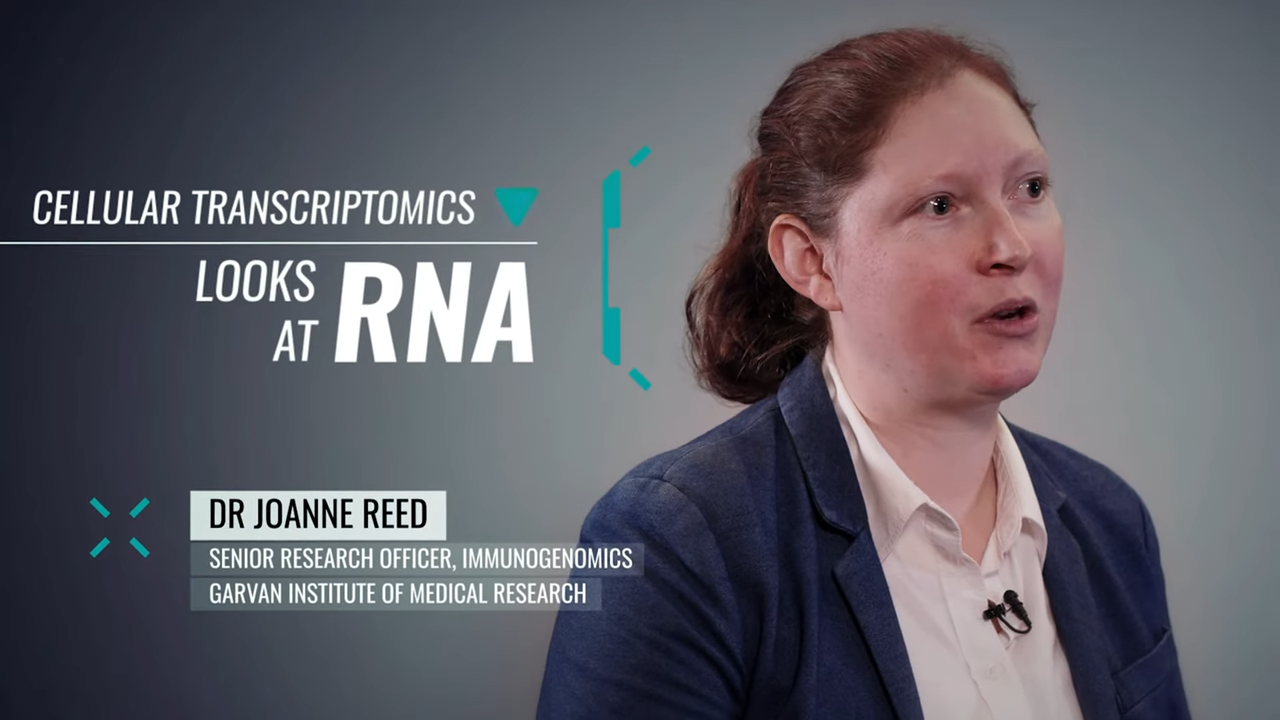
Garvan Institute of Medical Research
What is cellular transcriptomics?
Picture

Technologies used for​transcriptomics and 
their development


Transcriptomics technologies have 
volved significantly since their inception
in the early 
1990s. Here are some key
technologies and their development
timelines:

  • Expressed Sequence Tag (EST) 
  • Sequencing: 
  • ​Developed in the 1990s, this method used 
  • Sanger sequencing to study individual
  • RNA transcripts. 

  • Serial Analysis of
  • Gene Expression (SAGE): 
  • Introduced in the mid-1990s, 
  • SAGE allowed the simultaneous analysis
  •  of thousands of transcripts. 

  • Microarrays: 
  • Developed in the late 1990s, ​​microarrays enabled the 
  • ​quantification of a set of 
  • predetermined sequences through 
  • probe hybridization. 

  • RNA-Seq: 
  • Launched in the mid-2000s, 
  • RNA-Seq revolutionized transcriptomics by
  • allowing  high-throughput sequencing
  •  of entire transcripts. 

  • Next-Generation Sequencing (NGS): Platforms like Illumina transformed the
  • field, enabling comprehensive and quick
  • sequencing of transcript abundance and 
  • expression levels. 

  • Single-Cell RNA-Seq (scRNA-Seq): 
  • Introduced around 2017, 
  • scRNA-Seq profiles single cells to uncover
  •  cellular heterogeneity. 

  • Long-Read Sequencing 
  • Technologies: 
  • Platforms like Oxford Nanopore and 
  • PacBio have advanced the field by 
  • enabling full-length transcript 
  • assembly with error rates below 0.02%. 

  • Spatial Transcriptomics: 
  • Emerging around 2020, spatial 
  • transcriptomics integrates sequencing or
  • imaging with positional barcoding 
  • ​to map transcripts in their native tissue 
  • context. 


    These technologies have revolutionized 
  • the study of RNA and have been 
  • instrumental in advancing our 
  • understanding of gene expression,
  • disease mechanisms, and cellular 
  • processes. 

  • 6 Sources
Picture

Immune involvement in 
​neuropsychiatric disorders:

Insights from single-cell
transcriptomic studies
 (2026)
​
*Japan

[S}ingle-cell RNA sequencing (scRNA-seq) and single-nucleus RNA sequencing (snRNA-seq) have emerged as transformative technologies, enabling transcriptomic profiling at single-cell resolution.

These approaches have revealed
immunological alterations across a wide range of disorders.


This review introduces recent findings from sc/snRNA-seq studies of immune-related mechanisms in psychiatric disorders-including schizophrenia, bipolar disorder, major depressive disorder, autism spectrum disorder, and attention-deficit/hyperactivity disorder-as well as in neurological conditions such as Alzheimer's disease, Parkinson's disease, dementia with Lewy bodies, multiple sclerosis, and anti-NMDA receptor encephalitis
Picture

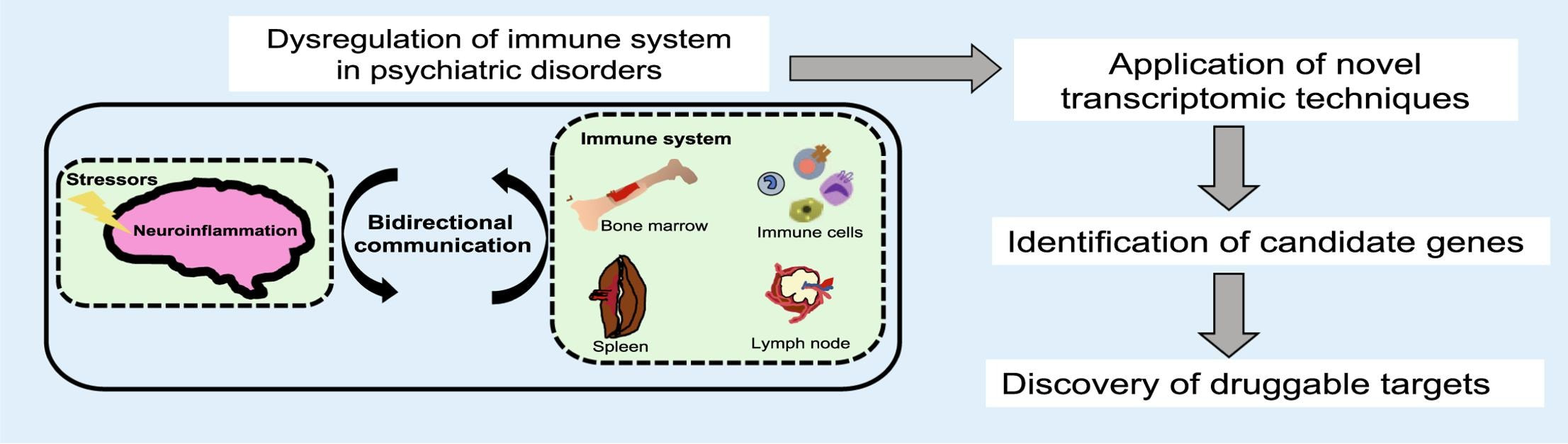
​Brain-immune interactions in neuropsychiatric disorders:

Lessons from transcriptome studies for molecular targeting  (2021)

*South Korea​

Herein, the key transcriptomic techniques applied in investigating differentially expressed genes and pathways responsible for altered brain-immune interactions in neuropsychiatric disorders are discussed.

The application of transcriptomics that can aid in identifying molecular targets in various neuropsychiatric disorders is highlighted.
Picture

Australian medical professionals on diagnosing Auto-Immune Encephalitis

4/17/2026

 
Val's Take/Conjecture:  This video is largely about the practical concerns of diagnosing Auto-Immune Encephalitis.

Recommends blood work and a lumbar tap for analysis of CSF (Cerebrospinal fluid)

One of the presenters does talk about studying MICROGLIA --- the Brain's Innate Immune Cells. ​
​Dysregulation of Microglia in Neuro-Developmental and Psychiatric Disorders is common --- that is one of the reasons why these disorders are now conceptualized as Neuro-Immune Disorders ---- but that is a wide spectrum that is still being defined, currently by multi-omics.
Mindgardens Neuroscience Network
The Expanding Frontier of Immunopsychiatry

Proteomics, Brain Protein Dysregulation & Drug Re-purposing

4/17/2026

 
JAMA Network
Proteomics 101
Picture

​Proteome-wide multi-trait association analyses

prioritize candidate proteins and therapeutic targets for psychiatric disorders (2026)

China

​Drug repurposing analyses nominated 32 compounds, including belinostat and vorinostat, that counteract risk-associated expression patterns, alongside 164 clinically actionable drug-protein interactions.

Our study provides a mechanistic framework linking genetic risk to brain protein dysregulation and proposes tractable therapeutic targets for psychiatric disorders.

SciShow Psych -- The Very Real Consequences of Weight Discrimination

4/8/2026

 
Picture
Val's Take/Conjecture
  • Metabolic Dysregulation is often an aspect of Neuro-Developmental and Psychiatric Disorders 
    • ​Historically, this was written off as signs of "IMPULSIVENESS."
    • The reality appears much more complicated with Metabolism being dysregulated through Maternal Immune Activation.
Picture
​How Maternal Immune Activation Dysregulates Metabolism

​Maternal immune activation (MIA) — a systemic inflammatory response during pregnancy — can disrupt fetal development not only in the brain but also in metabolic systems, leading to long-term metabolic dysregulation in offspring.
1. Inflammatory signaling across the placenta
When maternal immune activation occurs, inflammatory mediators such as cytokines (e.g., IL-6, TNF‑α, IL‑1β) and pathogen-associated molecular patterns (PAMPs) cross the placenta. These signals can directly affect fetal tissues, including the pancreas, liver, and adipose tissue, altering their function and gene expression Nature+1.

2. Disruption of metabolic tissue development
In animal models, MIA has been shown to impair pancreatic β‑cell development and insulin production, reduce adipose tissue differentiation, and alter hepatic glucose metabolism. These changes can lead to insulin resistance, impaired glucose tolerance, and altered lipid metabolism in the offspring Frontiers.

3. Epigenetic and metabolic programming
MIA can induce epigenetic modifications in fetal metabolic genes, “priming” them for altered function postnatally. For example, inflammatory signals can modify DNA methylation or histone acetylation in genes regulating insulin signaling, adipogenesis, and mitochondrial function Nature. This programming can persist into adulthood, increasing susceptibility to obesity, type 2 diabetes, and metabolic syndrome.

4. Links to neurodevelopmental and metabolic comorbidities
Neurodevelopmental disorders (NDDs) such as autism spectrum disorder and ADHD are associated with MIA, and these conditions often co-occur with metabolic abnormalities. Shared pathways include neuroinflammation, oxidative stress, and dysregulation of neurotransmitter systems that also influence appetite, energy balance, and glucose homeostasis Nature+1.

5. Immune–metabolic crosstalk in pregnancy
Pregnancy itself involves immune-metabolic adaptations, such as shifts in adipokine profiles, insulin sensitivity, and energy partitioning. MIA can amplify or destabilize these adaptations, tipping the balance toward a pro-inflammatory, insulin-resistant state in the fetus The Lancet.

Summary
MIA dysregulates metabolism by:
  • Directly altering fetal metabolic tissue development via inflammatory mediators.
  • Inducing epigenetic changes that persist into adulthood.
  • Disrupting immune–metabolic crosstalk during pregnancy.
  • Increasing the risk of metabolic disorders in offspring, often alongside neurodevelopmental conditions.
These mechanisms highlight the importance of prenatal immune health in shaping both brain and metabolic function, and suggest that early intervention during pregnancy could mitigate long-term metabolic risks.
SciShow Psych
The Very Real Consequences of Weight Discrimination
[There are absolutely drawbacks from relying on AI Systems such as Copilot -- but for my purposes AI can be helpful if limited.]

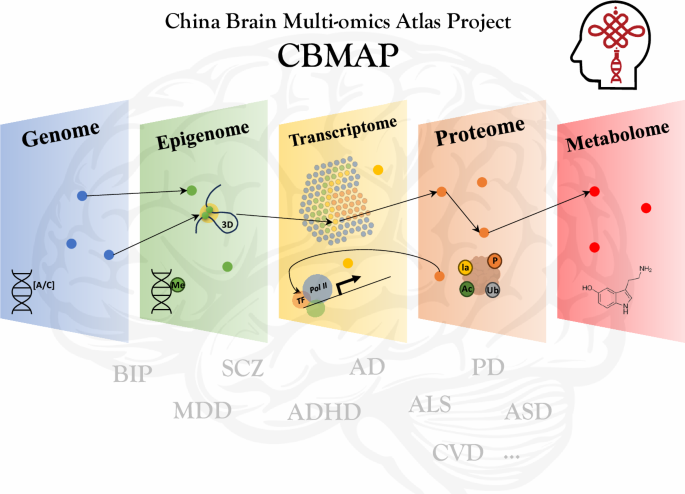
Multi-omics and China's Brain Multi-omics Atlas Project (CBMAP)

4/4/2026

 
Picture
Picture
The China Brain Multi-omics Atlas Project (CBMAP) (2026)


​Ark Invest
Big Ideas of 2026 --- Multiomics
Neuro-Psycho-Pharmacology Journal

​Big data in psychiatry: multiomics, neuroimaging, computational modeling, and digital phenotyping

    Translational Medicine Friday

    We're riffing off NPR's Science Friday to create Translational Medicine Friday.

    We'll be collecting Research Article recommendations for Clinicians with regard to Cognitive Disability.

    ​There is much in the RESEARCH JOURNALS and we'll just be SKIMMING THE SURFACE.

    The POINT is to INCREASE FUNDING for TRANSLATIONAL RESEARCH at the Federal Level for the National Institutes of Health, the Centers for Disease Control, the Nation's Research & Teaching Hospitals and possible collaborations with Medicare and Medicaid providers.

    Archives

    May 2026
    April 2026
    March 2026
    February 2026
    January 2026
    December 2025
    November 2025
    October 2025
    September 2025
    August 2025
    July 2025
    June 2025
    May 2025
    April 2025
    March 2025
    February 2025
    January 2025
    December 2024
    November 2024
    October 2024
    September 2024
    August 2024
    July 2024
    June 2024
    May 2024
    April 2024
    March 2024
    February 2024
    January 2024
    December 2023
    October 2023
    September 2023
    August 2023
    June 2023
    May 2023
    April 2023
    March 2023
    February 2023
    January 2023
    November 2022
    October 2022
    September 2022
    August 2022
    July 2022
    June 2022
    May 2022
    April 2022
    March 2022
    February 2022
    January 2022
    December 2021
    November 2021
    October 2021
    September 2021
    August 2021
    July 2021

    Categories

    All

    RSS Feed


Orchid:  Email

Crisis Services in Colorado, the US & Around the World

​Copyright 2025  Orchid Mental Health Legal Advocacy of Colorado, Inc.
Web Hosting by iPage
  • Home
    • About Orchid >
      • Why Orchid?
      • ORCHID'S SYSTEMIC FOCUS & "ROOT CAUSE" ANALYSIS APPROACH TO PROBLEM SOLVING WITH A COMMITMENT TO CREATIVITY & INNOVATION
      • Disclaimers, Limitations and An Invitation
      • Orchid Board
      • Orchid Book Club
      • Conjecture, Science & Translational Research & Medicine
      • Orchid Themes & Symbols
      • The Tipping Point
      • Orchid's Website Advertising Policy
      • Statement for Potential Website Contributors
      • Contact
  • Blogs
    • Val's Blog
    • Val's Blog 2
    • ​TRANSLATIONAL/ ​TRANSITIONAL JUSTICE MONDAY
    • NEURO-DIVERSITY Wednesday
    • Olmstead Law & Order Thursday
    • Translational Medicine Friday
    • Translational Love, Relationships & Neuro-Diversity Saturday
  • Orchid's A-Z Index
    • Crisis Services in CO, the US & Around the World
    • Assertive Community Treatment & Flexible ACT Index
    • Housing & Homelessness Index
    • Criminal Justice
    • Innovation Index
    • For More: See the Main Orchid Index Page
  • US Federal
    • THE IMD RULE & ADMIN. ENFORCEMENT OF DISABILITY CIVIL RIGHTS LAWS
    • Medicaid & Supportive Housing & Housing-Related Services
    • CMS' FAILURE TO COVER HOUSING FOR LTC & THE IMD RULE: WHAT THEY HAVE IN COMMON IS DISCRIMINATION
    • National Take
  • Immunology & Mental Health
    • Alcoholism & the Immune System & Mental Health
    • Brain Injury, the Immune System & Mental Health
    • Celiac Disease & Sensitivities, the Immune System & Mental Illness
    • Mental Illness & The Immune System
    • Racial Discrimination & the Immune System & Mental Health
    • Trauma & the Immune System & Mental Health
    • ***Physical Health Issues, the Immune System & Mental Health Index
  • University of Chicago: Institute of Translational Medicine
  • Hot Topics
    • What We Want --- SAMHSA Grant Opportunities Due Jan. 22, 2019
    • Anti-Social Personality Disorder >
      • DECONSTRUCTING ANTISOCIAL PERSONALITY DISORDER AND PSYCHOPATHY: A GUIDELINES-BASED APPROACH TO PREJUDICIAL PSYCHIATRIC LABELS [Hofstra Law Review 2013]
      • Personality Disorders -- Unscientific & Vague -- Must Be Reformed
    • Executive Functioning & "Prison Brain" >
      • Job Accommodation Network on Executive Functioning Deficits
    • Medicaid & Medicare Network Adequacy >
      • OIG: STATE STANDARDS FOR ACCESS TO CARE IN MEDICAID MANAGED CARE (Sept. 2014)
      • OIG: ACCESS TO CARE: PROVIDER AVAILABILITY IN MEDICAID MANAGED CARE (Dec. 2014)
      • GAO 15-710: MEDICARE ADVANTAGE: Actions Needed to Enhance CMS Oversight of Provider Network Adequacy (Aug. 2015)
      • CMS: Promoting Access in Medicaid and CHIP Managed Care: A Toolkit for Ensuring Provider Network Adequacy and Service Availability (April 2017)
    • Medicaid Mental Health & Substance Use Disorder Parity >
      • CMS Parity Compliance Toolkit Applying Mental Health and Substance Use Disorder Parity Requirements to Medicaid and Children’s Health Insurance Programs [Jan. 17, 2017]
      • Frequently Asked Questions: Mental Health and Substance Use Disorder Parity Final Rule for Medicaid and CHIP [CMS October 11, 2017]
    • Olmstead Disability Rights >
      • Statement of the Department of Justice on Enforcement of the Integration Mandate of Title II of the Americans with Disabilities Act and Olmstead v. L.C. (2011)
      • Comprehensive Olmstead Planning
      • the Logical Long Term Consequences of our failure to provide Intensive Community MH Treatment
      • Olmstead Nation ---State Pages: How Far to Comply with Olmstead?
  • Take A Walk Around Orchid's Resource Block
  • Colorado Abuse & Neglect Scandals Involving People with Disabilities
  • Mental Health By The Numbers
  • New Science Is Amazing AND It Has HUGE Moral Implications for Our Society: NOW
  • Olmstead & Homelessness
  • Double V
  • " 'Defund the Police" Means 'Invest in the Resources Our Communities Need' " or Don't Cost Shift to the Police
  • VAGUE OLMSTEAD PLANS, EXPENSIVE LITIGATION
  • Updating & Reforming our Understanding & Treatment of "Anti-Social Personality Disorder" Blog
  • Reform of " Anti-Social Personality Disorder" in Criminal Justice
  • CO HB22-1278
  • New Understandings Matter
  • Mental Health, Ethics & Law
  • CO Olmstead Disability Homeless Law & Policy Project
  • Inflammation, the Immune System, Neuro-Developmental Disorders, Psychiatric Disorders, Substance Use Issues & Chronic Disease
  • Microglia and the Brain's Immune System
  • Substance Issues & the Immune System