Orchid Advocacy
  • Home
    • About Orchid >
      • Why Orchid?
      • ORCHID'S SYSTEMIC FOCUS & "ROOT CAUSE" ANALYSIS APPROACH TO PROBLEM SOLVING WITH A COMMITMENT TO CREATIVITY & INNOVATION
      • Disclaimers, Limitations and An Invitation
      • Orchid Board
      • Orchid Book Club
      • Conjecture, Science & Translational Research & Medicine
      • Orchid Themes & Symbols
      • The Tipping Point
      • Orchid's Website Advertising Policy
      • Statement for Potential Website Contributors
      • Contact
  • Blogs
    • Val's Blog
    • Val's Blog 2
    • ​TRANSLATIONAL/ ​TRANSITIONAL JUSTICE MONDAY
    • NEURO-DIVERSITY Wednesday
    • Olmstead Law & Order Thursday
    • Translational Medicine Friday
    • Translational Love, Relationships & Neuro-Diversity Saturday
  • Orchid's A-Z Index
    • Crisis Services in CO, the US & Around the World
    • Assertive Community Treatment & Flexible ACT Index
    • Housing & Homelessness Index
    • Criminal Justice
    • Innovation Index
    • For More: See the Main Orchid Index Page
  • US Federal
    • THE IMD RULE & ADMIN. ENFORCEMENT OF DISABILITY CIVIL RIGHTS LAWS
    • Medicaid & Supportive Housing & Housing-Related Services
    • CMS' FAILURE TO COVER HOUSING FOR LTC & THE IMD RULE: WHAT THEY HAVE IN COMMON IS DISCRIMINATION
    • National Take
  • Immunology & Mental Health
    • Alcoholism & the Immune System & Mental Health
    • Brain Injury, the Immune System & Mental Health
    • Celiac Disease & Sensitivities, the Immune System & Mental Illness
    • Mental Illness & The Immune System
    • Racial Discrimination & the Immune System & Mental Health
    • Trauma & the Immune System & Mental Health
    • ***Physical Health Issues, the Immune System & Mental Health Index
  • University of Chicago: Institute of Translational Medicine
  • Hot Topics
    • What We Want --- SAMHSA Grant Opportunities Due Jan. 22, 2019
    • Anti-Social Personality Disorder >
      • DECONSTRUCTING ANTISOCIAL PERSONALITY DISORDER AND PSYCHOPATHY: A GUIDELINES-BASED APPROACH TO PREJUDICIAL PSYCHIATRIC LABELS [Hofstra Law Review 2013]
      • Personality Disorders -- Unscientific & Vague -- Must Be Reformed
    • Executive Functioning & "Prison Brain" >
      • Job Accommodation Network on Executive Functioning Deficits
    • Medicaid & Medicare Network Adequacy >
      • OIG: STATE STANDARDS FOR ACCESS TO CARE IN MEDICAID MANAGED CARE (Sept. 2014)
      • OIG: ACCESS TO CARE: PROVIDER AVAILABILITY IN MEDICAID MANAGED CARE (Dec. 2014)
      • GAO 15-710: MEDICARE ADVANTAGE: Actions Needed to Enhance CMS Oversight of Provider Network Adequacy (Aug. 2015)
      • CMS: Promoting Access in Medicaid and CHIP Managed Care: A Toolkit for Ensuring Provider Network Adequacy and Service Availability (April 2017)
    • Medicaid Mental Health & Substance Use Disorder Parity >
      • CMS Parity Compliance Toolkit Applying Mental Health and Substance Use Disorder Parity Requirements to Medicaid and Children’s Health Insurance Programs [Jan. 17, 2017]
      • Frequently Asked Questions: Mental Health and Substance Use Disorder Parity Final Rule for Medicaid and CHIP [CMS October 11, 2017]
    • Olmstead Disability Rights >
      • Statement of the Department of Justice on Enforcement of the Integration Mandate of Title II of the Americans with Disabilities Act and Olmstead v. L.C. (2011)
      • Comprehensive Olmstead Planning
      • the Logical Long Term Consequences of our failure to provide Intensive Community MH Treatment
      • Olmstead Nation ---State Pages: How Far to Comply with Olmstead?
  • Take A Walk Around Orchid's Resource Block
  • Colorado Abuse & Neglect Scandals Involving People with Disabilities
  • Mental Health By The Numbers
  • New Science Is Amazing AND It Has HUGE Moral Implications for Our Society: NOW
  • Olmstead & Homelessness
  • Double V
  • " 'Defund the Police" Means 'Invest in the Resources Our Communities Need' " or Don't Cost Shift to the Police
  • VAGUE OLMSTEAD PLANS, EXPENSIVE LITIGATION
  • Updating & Reforming our Understanding & Treatment of "Anti-Social Personality Disorder" Blog
  • Reform of " Anti-Social Personality Disorder" in Criminal Justice
  • CO HB22-1278
  • New Understandings Matter
  • Mental Health, Ethics & Law
  • CO Olmstead Disability Homeless Law & Policy Project
  • Inflammation, the Immune System, Neuro-Developmental Disorders, Psychiatric Disorders, Substance Use Issues & Chronic Disease
  • Microglia and the Brain's Immune System
  • Substance Issues & the Immune System


Translational Medicine Friday

NARCISSISM, immaturity or A Kind of pre-mature aging in Neuro-Developmental, Psychiatric &/or ADDICTION Disorders

3/10/2026


Developmental Mitochondrial Dysfunction & 
​
ImmunoSENESCENCE [Aging of the Immune System]
​​Val's Take/Conjecture
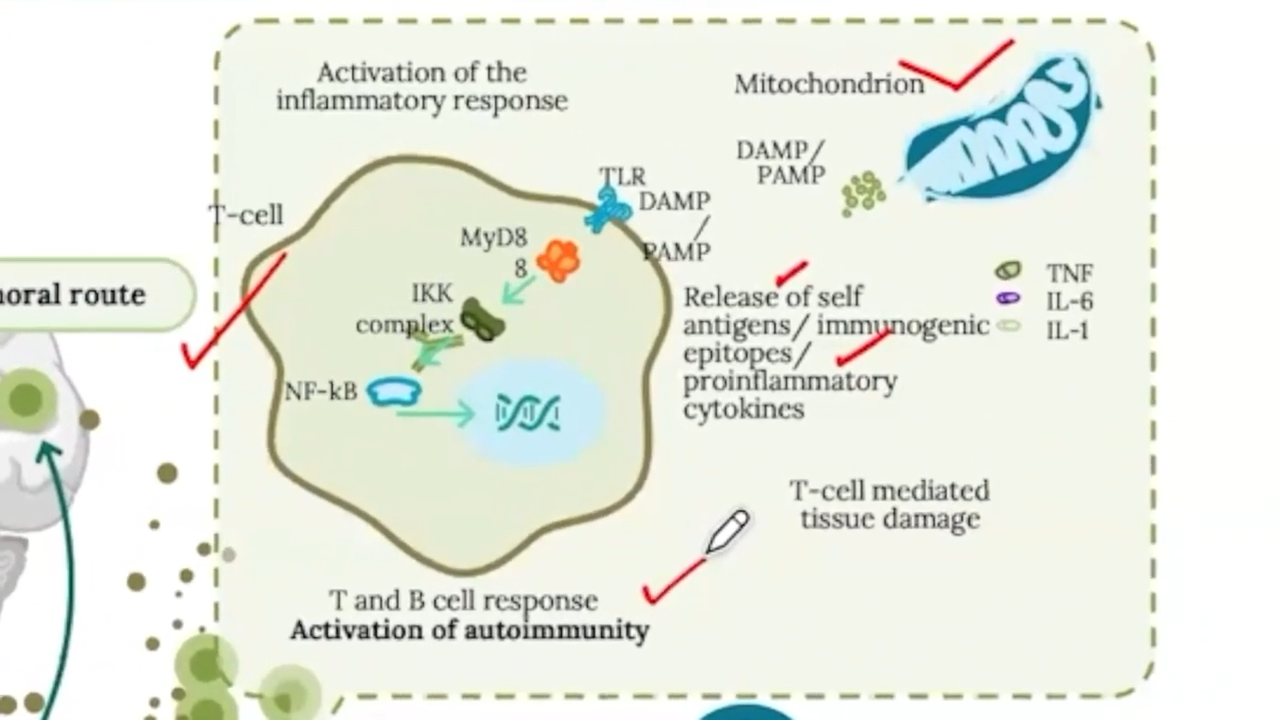
  • I'm defining "Pre-Mature Aging" as jump-starting "Mitochondrial Dysfunction," often through MATERNAL IMMUNE ACTIVATION.​

"Mitochondrial Dysfunction" is ubiquitous in:
  • Sensory Processing Abnormalities,
  • Disease,
  • Chronic Pain,
  • Aging,
  • Cell Death,
  • etc.  
Mitochondrial Dysfunction is not unique to Neuro-Developmental, Psychiatric or Addiction Disorders.
  • Further, there is more and more focus on the Developmental Origins of Health & Disease (DOHaD).
​MITOCHONDRIAL DYSFUNCTION & IMMUNOSENESCENCE
Picture
​Influence of Immune System Abnormalities Caused by Maternal Immune Activation in the Postnatal Period  (2024)

*Japanese Researchers
Picture
Evaluating the link between immune characteristics and attention deficit hyperactivity disorder through a bi-directional Mendelian randomization study  (2024)

*Chinese Researchers
Picture
Correlations between personality traits, personality disorders, and immunometabolic markers  (2024)

*Swedish Researchers
De Staat
Witch Doctor

For the person who is PRE-MATURELY AGING --- that can look like ASYNCHRONY.

Additionally, the DYNAMICS of this PRE-MATURE AGING and ASYNCHRONY are not necessarily playing out the way we might think.
Asynchrony & the Challenge of Flow
​LEVELS of ANALYSIS & DEFINITIONS
  • DEFINING PEOPLE IN and OUT of Diagnostic Categories, Age, and "Morality"
    • ​Much of recent research is considering Anti-Social Personality Disorder as a Neuro-Developmental Disorder.
    • In some quarters, this is controversial-- the diagnostic criteria themselves reference age.
​See Antisocial Personality Disorder (2024) on StatPearls.
"The Picture of Dorian Gray" and Re-Calibrating Morality
Personality Disorders --- Unscientific & Vague --- Must Be Reformed

What is "Disability" under the ADA?​  Clinicians aren't lawyers & it shows

3/7/2026

 
​Val's Take
  • Clinicians struggle with Definitions in the Civil Commitment Statutes --- but I think they are more aware of the issues.
  • When it comes to "DISABILITY" --- there is more than one Statute or Regulation out there -- is this Social Security Disability, Medicaid, Education or Employment.
  • For purposes of Employment, most people are going to be concerned about the  definition of "Disability" under the AMERICANS WITH DISABILITIES ACT.
For RULE FOLLOWERS 

Mental Health Professionals and Bureaucrats are generally rule followers --- but there are a lot of complicated rules out there.
  • Most Mental Health Patients are going to be referred to their Mental Health Professional to weigh in on whether they have a "DISABILITY." 
    • ​Does that make sense?  I think it should make sense, but it doesn't.
      • ​Mental Health Professionals are often trying to apply the wrong law with regard to "DISABILITY" and are not sufficiently sensitive to CONTEXT.
      • Further, they may not even necessarily be that up on TRANS DIAGNOSTIC PHENOTYPES and ISSUES (UGH!!!)
        • ​And one still has to individually assess this.

  • I think INDEPENDENT LIVING CENTERS are going to be in a much better position to make appropriate referrals regarding whether the person has a DISABILITY for purposes of EMPLOYMENT.
    • ​And they are probably going to be more up on what law applies.
    • What definition of "DISABILITY" applies?
    • ​These are very complicated systems and it gets confusing fast.
NONE OF US CAN DO EVERYTHING
  • Mental Health Providers need to be able to make referrals to Independent Living Centers around the State.
    • ​Who are generally very savvy with regard to these many complicated systems.​
    • Further, the Colorado Department of Labor needs to be able to provide a list of Independent Living Centers to applicants ---
      • not a vague hint.
One of my biggest issues is ENERGY so I am pretty sympathetic to professional protests that they can't do everything -- or they try to do everything and it doesn't work out.

Independent Living Centers are such a fantastic resource in this State and even those of us who are familiar with them may think going through the medical professional is going to save time and energy.
  • ​This is often NOT THE CASE!
Further, the Medical Professional may take being educated by the Independent Living Center better than being educated by the Patient.
Paul MiCallef 
The Silent Meltdown

Americans with Disabilities Act
42 U.S. Code § 12102 - Definition of disability


As used in this chapter:
(1)DisabilityThe term “disability” means, with respect to an individual--
(A)
a physical or mental impairment that substantially limits one or more major life activities of such individual;
(B)
a record of such an impairment; or
(C)
being regarded as having such an impairment (as described in paragraph (3)).
(2)Major life activities
(A)In general

For purposes of paragraph (1), major life activities include, but are not limited to, caring for oneself, performing manual tasks, seeing, hearing, eating, sleeping, walking, standing, lifting, bending, speaking, breathing, learning, reading, concentrating, thinking, communicating, and working.

(B)Major bodily functions
For purposes of paragraph (1), a major life activity also includes the operation of a major bodily function, including but not limited to, functions of the immune system, normal cell growth, digestive, bowel, bladder, neurological, brain, respiratory, circulatory, endocrine, and reproductive functions.

(3)Regarded as having such an impairmentFor purposes of paragraph (1)(C):
(A)
An individual meets the requirement of “being regarded as having such an impairment” if the individual establishes that he or she has been subjected to an action prohibited under this chapter because of an actual or perceived physical or mental impairment whether or not the impairment limits or is perceived to limit a major life activity.
(B)
Paragraph (1)(C) shall not apply to impairments that are transitory and minor. A transitory impairment is an impairment with an actual or expected duration of 6 months or less.
(4)Rules of construction regarding the definition of disabilityThe definition of “disability” in paragraph (1) shall be construed in accordance with the following:
(A)
The definition of disability in this chapter shall be construed in favor of broad coverage of individuals under this chapter, to the maximum extent permitted by the terms of this chapter.
(B)
The term “substantially limits” shall be interpreted consistently with the findings and purposes of the ADA Amendments Act of 2008.
(C)
An impairment that substantially limits one major life activity need not limit other major life activities in order to be considered a disability.
(D)
An impairment that is episodic or in remission is a disability if it would substantially limit a major life activity when active.
(E)
(i)The determination of whether an impairment substantially limits a major life activity shall be made without regard to the ameliorative effects of mitigating measures such as--
(I)
medication, medical supplies, equipment, or appliances, low-vision devices (which do not include ordinary eyeglasses or contact lenses), prosthetics including limbs and devices, hearing aids and cochlear implants or other implantable hearing devices, mobility devices, or oxygen therapy equipment and supplies;
(II)
use of assistive technology;
(III)
reasonable accommodations or auxiliary aids or services; or
(IV)
learned behavioral or adaptive neurological modifications.
(ii)
The ameliorative effects of the mitigating measures of ordinary eyeglasses or contact lenses shall be considered in determining whether an impairment substantially limits a major life activity.
(iii)As used in this subparagraph--
(I)
the term “ordinary eyeglasses or contact lenses” means lenses that are intended to fully correct visual acuity or eliminate refractive error; and
(II)
the term “low-vision devices” means devices that magnify, enhance, or otherwise augment a visual image.

Photo-bio-Modulation, Photobiomodulation or Infrared neuromodulation

2/27/2026

 
Picture
Pilot study comparing effects of infrared neuromodulation and transcranial magnetic stimulation using magnetic resonance imaging (2025)

*Ohio State University, University of Michigan and Georgia State University 
​
​No prior work has directly compared the impacts of transcranial photobiomodulation (tPBM) and transcranial magnetic stimulation (TMS) on the human brain. This within-subjects pilot study compares the effects of tPBM and TMS of human somatomotor cortex on brain structural and functional connectivity.  . . .

​​Thus, tPBM may be superior to TMS at inducing changes in connected nodes in the somatomotor cortex, although further research is warranted to explore the potential therapeutic benefits and clinical utility of tPBM.
Dr. Josh Madsen
The Hidden Crisis of Autism & Mitochondrial Dysfunction Explained
[Chiropractic  represents a complicated place in the Medical Hierarchy.

Generally, what I'm looking for are evidence-based practices.

​Additionally, I do appreciate Dr. Josh's openness that I think can be more indicative of real knowledge than what you might get elsewhere.


I'm not here to promote Photo-Bio-Modulation but I do think there are some interesting relationships among Photo-Bio-Modulation and some of the emerging new paradigms of Neuro-Developmental and Psychiatric Disorders.

Finally, I think there is some evidence that Photo-Bio-Modulation may be more effective than  TRANSCRANIAL MAGNETIC STIMULATION (see study to the right)--- even as TMS is more widely recognized]

A big jump in our understanding --Mitochondrial energetics and synapses

2/23/2026

 
​Val's Take/Conjecture
  • ​Mitochondrial Dysfunction is an aspect of many illnesses and diseases.
  • It is probably most profoundly seen in Neuro-Degenerative Diseases such as Parkinson's and Alzheimer's.
​Neuro-Developmental and Psychiatric Disorders often come with Microglial Dysregulation and various levels of Mitochondrial Dysfunction.
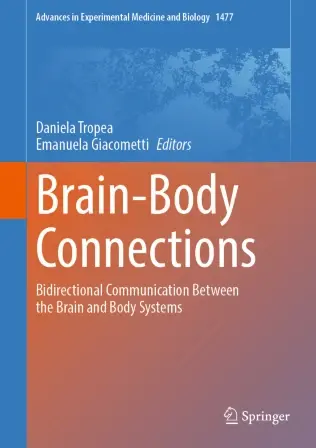
The book chapter to the right not only references Schizophrenia and Bipolar Disorder, but also Diabetes and Obesity.​
  • If you look at the widespread nature of weight issues in the society, one could certainly conclude we need to eat better and exercise more --- and we do.
  • But some people may need a KETO DIET high in fat --- at least according to the Metabolic Mind folks.
  • Further, DEVELOPMENTAL ISSUES IN UTERO appear to play a role in a large number of issues and diseases experienced later in the lifespan.
    • ​Further, Researchers are identifying  these DEVELOPMENTAL ISSUES as the "PROXIMATE CAUSE" of issues and disease later in the lifespan.
Developmental Origins of Health & Disease & Lifestyle Choices
The Developmental Origins of Health & Disease, Mitochondrial Bioenergetics, and Executive Functioning Issues have so many ramifications for Treatment and Public Policy.
​When it comes to people who are Justice-Involved with Neuro-Developmental and/or Psychiatric Disorders, treatment and programs need to address Mitochondrial Bioenergetics and Executive Functioning Issues.
Coming to Terms with the Criminal Justice System as the Disability Provider of Last resort
Picture
Neuronal Synaptic Communication and Mitochondrial Energetics in Human Health and Disease (2025)
​Abstract

​The human brain is an energetically costly organ, consuming 20-25% of all biochemical energy produced in the body, despite comprising only 2-3% of total body mass.

Most energy in the brain is consumed to support synaptic neurotransmission, which is the primary means of neuron-to-neuron communication between.

This energy is in the form of adenosine triphosphate (ATP), and within neural cells, nearly all ATP is produced by mitochondria via the process of oxidative phosphorylation (OXPHOS).

To ensure that ATP is readily available, mitochondria are trafficked to areas of greater energy use, such as neuronal synapses.

The balance between energetic supply and synaptic communication is essential for proper brain functioning.

This chapter begins with a brief introduction to key features of neuronal synapses and mitochondrial energy production in the cerebral cortex.

Next, the tight and bidirectional coupling of neuronal synaptic activity and mitochondrial OXPHOS is examined from functional, ultrastructural, and molecular perspectives.

​The effects of brain and non-brain organ system perturbations on synaptic-mitochondrial coupling are then examined within the context of (1) primary brain disorders, such as schizophrenia and bipolar disorder, and (2) primary peripheral disorders, such as diabetes and obesity.

​Finally, a discussion of potential intervention strategies that may restore neural communication and mitochondrial bioenergetics, within the framework of the brain-body connection, is provided.

Mitochondria:  Let's not create or resurrect a false opposition between Energy and matter

2/17/2026

 
Val's Take/Conjecture:

The conversation at the THEORETICAL RESEARCH LEVEL is not just integrating PHYSICAL and MENTAL HEALTH and various aspects of MEDICINE.

We're in a time in which PHYSICS is being integrated into MEDICINE, especially with regard to ENERGY.


We have a tendency to create "FALSE DICHOTOMIES" and define things in opposition to one another that can lead to MISLEADING UNDERSTANDINGS.
​
ENVIRONMENT and BIOLOGY are NOT OPPOSITES --- and we can't really understand either one in isolation of the other --- they are acting upon each other.

I think this distinction between "BIOLOGICAL MENTAL ILLNESS" and "NON-BIOLOGICAL MENTAL ILLNESS" is EXTREMELY MISLEADING and leads to FALSE CONCLUSIONS.

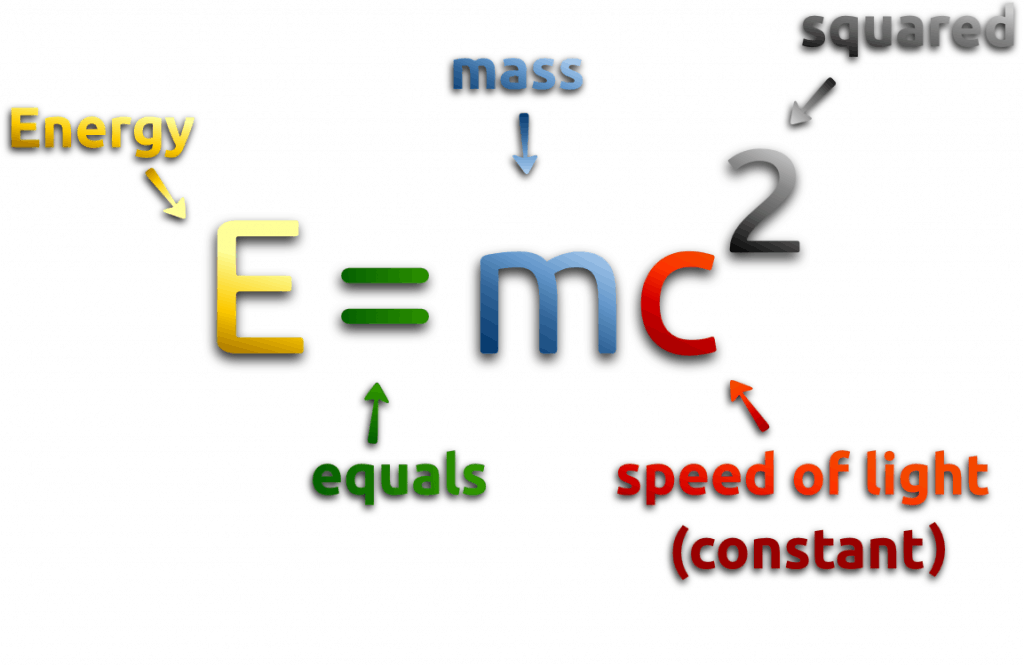
Additionally, ENERGY AND MATTER are in relation to one another --- MASS is both a property of MATTER and ENERGY.
Master Class in Mitochondria 

Martin Picard, PhD
Science of Health Associate Professor of Behavioral Medicine (in Psychiatry, Neurology and the Robert N. Butler Columbia Aging Center)

​
Thomas P Seager, PhD
Associate Professor,
School of Sustainable Engineering and the Built Environment
Picture
Picture
Energy and Matter are not opposed to one another.

Proteins in Autism and Psychiatric Disorders

2/15/2026

 
Proteins are an issue in Autism and also an issue in other categories of Neuro-Developmental & Psychiatric Disorders.
Picture
​​Longitudinal multi-omics analysis of umbilical cord blood and childhood serum in Autism (2026)

*Ireland, Denmark & Canada
Alterations in these protein pathways persisted into childhood, and dysregulation of GAPDH, SELENBP1, and BLVRB proteins were evident in both cord blood and in serum from pre-pubertal children with Autism
Picture
Unraveling ADHD Through the Lens of Proteomics and Metabolomics (2025)
​Blood biomarker for ASD: Validation Study

Dwight German PhD,  Professor in the Department of Psychiatry at the University of Texas Southwestern Medical Center at Dallas
Picture
Proteome-wide multi-trait association analyses prioritize candidate proteins and therapeutic targets for psychiatric disorders (2026)

*China
 Our study provides a mechanistic framework linking genetic risk to brain protein dysregulation and proposes tractable therapeutic targets for psychiatric disorders.

Journey, Lecturer Rick Bungiro -- T Cells & B Cells and Psychiatric Disorders -- Don't Stop Believin'

2/6/2026

 
Picture
"T cell exhaustion is a significant factor in the pathogenesis of neuropsychiatric disorders."
Picture
​Role of the T-cell network in psychiatric disorders (2021)
Picture
B cells and the stressed brain:

emerging evidence of neuroimmune interactions in the context of psychosocial stress and major depression
 (2024)
Journey
Don't Stop Believin'

Brown University Lecturer
Rick Bungiro
(currently at Yale School of Public Health)

Don't Stop B-cell-ievin'

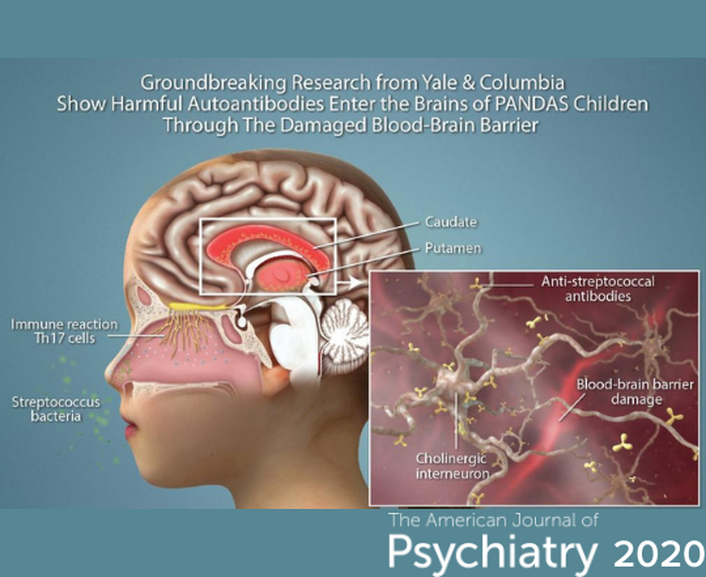
Childhood Trauma, PANS & PANDAS --- Understanding brain disorders as Neuro-immune disorders

2/3/2026

 
Picture
Neuroscience News
Childhood Trauma Rewires the Brain and the Immune System (2025)
​PANDAS Network
Looking at the Brains of PANDAS and PANS Children

​(2023)
​Understanding a wide range of brain disorders as "Neuro-Immune Disorders" ---- starts to make sense of an extremely complicated 
array.
Special Focus

  • PANS (Pediatric Acute-Onset Neuro-Psychiatric Syndrome)
    • "​This broader category includes any sudden-onset neuropsychiatric symptoms that can arise from various infections (not just strep) or other triggers, such as environmental factors or stress. PANS encompasses a wider range of symptoms and potential causes, including infections like Lyme disease and influenza." -- Copilot

  • PANDAS (Pediatric Auto-Immune Neuro-Psychiatric Disorders) is associated with Streptoccal Infections)
Picture
History of PANDAS/PANS and
PANDAS Network
Your browser does not support viewing this document. Click here to download the document.
​Aspire Care

Psych Scene with Dr. Sanil Rege --- How Psychiatric Disorders Overlap with Autoimmune Disorders

1/30/2026

 
Val's Take/Conjecture

So one of the things that has happened is the recognition of a Neuro-Developmental --- Psychiatric Continuum --- those DISTINCT DIAGNOSES in the DSM often don't match neatly to "REALITY." 

One of the biggest SEEMING CONTRADICTIONS is that we recognize Neuro-Developmental Disorders much more in MEN and Psychiatric Disorders --- much more in women.  Hmmm . . .

There are sex differences.


The next step has been recognizing there is a lot of overlap between other illnesses and diseases and Neuro-Developmental and Psychiatric Disorders.

​Stanford Medicine-led study shows why women are at greater risk of autoimmune disease (2024)

"Research throws light on the mystery of why women are much more prone to autoimmune disorders: A molecule made by one X chromosome in every female cell can generate antibodies to a woman's own tissues."
Cancer & Neuro-Diversity: The Crying Need for an Integrated Physical & Mental Health Care System
Neuro-Diversity and Its relation not only to Psychiatric Disorders but also Metabolic Disorders, Cancer & Autoimmune Diseases
​The Academy by Psych Scene
Dr. Sanil Rege


How Psychiatric Disorders Overlap with Autoimmune Disorders  (2026)
​Why are brain tumors more common in men? (2014)

"The reason why brain tumors occur more frequently in males and are often more harmful than single tumors in females has been further explained by new research from Washington University School of Medicine in St Louis (MO, USA).

"Glioblastomas, which are the most common malignant brain tumors, for example, are diagnosed twice as often in males and result in greater cognitive impairments than when occurring in females; male patients also do not survive as long.

"A protein known to reduce cancer risk termed retinoblastoma protein (RB) was demonstrated by the researchers to be significantly less active in male brain cells than in female brain cells."
Picture

Astrocytes from People with schizophrenia induce "DYSTROPHIC"  Microglia-like Cells

1/5/2026

 
Picture
hiPSC-Derived Astrocytes From Individuals With Schizophrenia

Induce a Dystrophic Phenotype in Microglial-Like Cells  (2026)
Picture
University of Kentucky's Institutional Repository
Theses & Dissertations -- Neuroscience

The Role of Dystrophic Microglia in Aging and Disease  (2024)
Traditionally, microglial subtypes characterized physiologically as “reactive” or “activated” have been linked with disease and injury in the brain.

However, morphologically, a recently described microglia category known as “dystrophic,” characterized structurally by fragmented processes and cytoplasmic decay is believed to be more strongly associated with aging and neurodegeneration. 
​​Affiliations
1Department of Biochemistry and Immunology, Institute of Biological Sciences (ICB), Universidade Federal de Minas Gerais (UFMG), Belo Horizonte, Brazil.
2Department of Genetics, Yale School of Medicine, Yale University, New Haven, Connecticut, USA.
3D'or Institute for Research and Education (IDOR), Rio de Janeiro, Brazil.
4Molecular Carcinogenesis Program, Research Coordination, Instituto Nacional do Câncer (INCA), Rio de Janeiro, Brazil.
5Vice-Presidency of Research and Biological Collections (VPPCB), Fundação Oswaldo Cruz (FIOCRUZ), Rio de Janeiro, Brazil.
6Department of Pharmacology, Institute of Biological Sciences (ICB), Universidade Federal de Minas Gerais (UFMG), Belo Horizonte, Brazil.
7Department of Psychiatry, Faculty of Medicine, Universidade Federal de Minas Gerais (UFMG), Belo Horizonte, Brazil.
8Department of Psychiatry, Yale School of Medicine, Yale University, New Haven, Connecticut, USA.
9Department of Genetics, Institute of Biology, Universidade Federal do Rio de Janeiro (UFRJ), Rio de Janeiro, Brazil.
<<Previous

    Translational Medicine Friday

    We're riffing off NPR's Science Friday to create Translational Medicine Friday.

    We'll be collecting Research Article recommendations for Clinicians with regard to Cognitive Disability.

    ​There is much in the RESEARCH JOURNALS and we'll just be SKIMMING THE SURFACE.

    The POINT is to INCREASE FUNDING for TRANSLATIONAL RESEARCH at the Federal Level for the National Institutes of Health, the Centers for Disease Control, the Nation's Research & Teaching Hospitals and possible collaborations with Medicare and Medicaid providers.

    Archives

    March 2026
    February 2026
    January 2026
    December 2025
    November 2025
    October 2025
    September 2025
    August 2025
    July 2025
    June 2025
    May 2025
    April 2025
    March 2025
    February 2025
    January 2025
    December 2024
    November 2024
    October 2024
    September 2024
    August 2024
    July 2024
    June 2024
    May 2024
    April 2024
    March 2024
    February 2024
    January 2024
    December 2023
    October 2023
    September 2023
    August 2023
    June 2023
    May 2023
    April 2023
    March 2023
    February 2023
    January 2023
    November 2022
    October 2022
    September 2022
    August 2022
    July 2022
    June 2022
    May 2022
    April 2022
    March 2022
    February 2022
    January 2022
    December 2021
    November 2021
    October 2021
    September 2021
    August 2021
    July 2021

    Categories

    All

    RSS Feed


Orchid:  Email

Crisis Services in Colorado, the US & Around the World

​Copyright 2025  Orchid Mental Health Legal Advocacy of Colorado, Inc.
Web Hosting by iPage
  • Home
    • About Orchid >
      • Why Orchid?
      • ORCHID'S SYSTEMIC FOCUS & "ROOT CAUSE" ANALYSIS APPROACH TO PROBLEM SOLVING WITH A COMMITMENT TO CREATIVITY & INNOVATION
      • Disclaimers, Limitations and An Invitation
      • Orchid Board
      • Orchid Book Club
      • Conjecture, Science & Translational Research & Medicine
      • Orchid Themes & Symbols
      • The Tipping Point
      • Orchid's Website Advertising Policy
      • Statement for Potential Website Contributors
      • Contact
  • Blogs
    • Val's Blog
    • Val's Blog 2
    • ​TRANSLATIONAL/ ​TRANSITIONAL JUSTICE MONDAY
    • NEURO-DIVERSITY Wednesday
    • Olmstead Law & Order Thursday
    • Translational Medicine Friday
    • Translational Love, Relationships & Neuro-Diversity Saturday
  • Orchid's A-Z Index
    • Crisis Services in CO, the US & Around the World
    • Assertive Community Treatment & Flexible ACT Index
    • Housing & Homelessness Index
    • Criminal Justice
    • Innovation Index
    • For More: See the Main Orchid Index Page
  • US Federal
    • THE IMD RULE & ADMIN. ENFORCEMENT OF DISABILITY CIVIL RIGHTS LAWS
    • Medicaid & Supportive Housing & Housing-Related Services
    • CMS' FAILURE TO COVER HOUSING FOR LTC & THE IMD RULE: WHAT THEY HAVE IN COMMON IS DISCRIMINATION
    • National Take
  • Immunology & Mental Health
    • Alcoholism & the Immune System & Mental Health
    • Brain Injury, the Immune System & Mental Health
    • Celiac Disease & Sensitivities, the Immune System & Mental Illness
    • Mental Illness & The Immune System
    • Racial Discrimination & the Immune System & Mental Health
    • Trauma & the Immune System & Mental Health
    • ***Physical Health Issues, the Immune System & Mental Health Index
  • University of Chicago: Institute of Translational Medicine
  • Hot Topics
    • What We Want --- SAMHSA Grant Opportunities Due Jan. 22, 2019
    • Anti-Social Personality Disorder >
      • DECONSTRUCTING ANTISOCIAL PERSONALITY DISORDER AND PSYCHOPATHY: A GUIDELINES-BASED APPROACH TO PREJUDICIAL PSYCHIATRIC LABELS [Hofstra Law Review 2013]
      • Personality Disorders -- Unscientific & Vague -- Must Be Reformed
    • Executive Functioning & "Prison Brain" >
      • Job Accommodation Network on Executive Functioning Deficits
    • Medicaid & Medicare Network Adequacy >
      • OIG: STATE STANDARDS FOR ACCESS TO CARE IN MEDICAID MANAGED CARE (Sept. 2014)
      • OIG: ACCESS TO CARE: PROVIDER AVAILABILITY IN MEDICAID MANAGED CARE (Dec. 2014)
      • GAO 15-710: MEDICARE ADVANTAGE: Actions Needed to Enhance CMS Oversight of Provider Network Adequacy (Aug. 2015)
      • CMS: Promoting Access in Medicaid and CHIP Managed Care: A Toolkit for Ensuring Provider Network Adequacy and Service Availability (April 2017)
    • Medicaid Mental Health & Substance Use Disorder Parity >
      • CMS Parity Compliance Toolkit Applying Mental Health and Substance Use Disorder Parity Requirements to Medicaid and Children’s Health Insurance Programs [Jan. 17, 2017]
      • Frequently Asked Questions: Mental Health and Substance Use Disorder Parity Final Rule for Medicaid and CHIP [CMS October 11, 2017]
    • Olmstead Disability Rights >
      • Statement of the Department of Justice on Enforcement of the Integration Mandate of Title II of the Americans with Disabilities Act and Olmstead v. L.C. (2011)
      • Comprehensive Olmstead Planning
      • the Logical Long Term Consequences of our failure to provide Intensive Community MH Treatment
      • Olmstead Nation ---State Pages: How Far to Comply with Olmstead?
  • Take A Walk Around Orchid's Resource Block
  • Colorado Abuse & Neglect Scandals Involving People with Disabilities
  • Mental Health By The Numbers
  • New Science Is Amazing AND It Has HUGE Moral Implications for Our Society: NOW
  • Olmstead & Homelessness
  • Double V
  • " 'Defund the Police" Means 'Invest in the Resources Our Communities Need' " or Don't Cost Shift to the Police
  • VAGUE OLMSTEAD PLANS, EXPENSIVE LITIGATION
  • Updating & Reforming our Understanding & Treatment of "Anti-Social Personality Disorder" Blog
  • Reform of " Anti-Social Personality Disorder" in Criminal Justice
  • CO HB22-1278
  • New Understandings Matter
  • Mental Health, Ethics & Law
  • CO Olmstead Disability Homeless Law & Policy Project
  • Inflammation, the Immune System, Neuro-Developmental Disorders, Psychiatric Disorders, Substance Use Issues & Chronic Disease
  • Microglia and the Brain's Immune System
  • Substance Issues & the Immune System