

Val Corzine


|

Dolly Parton, featuring Lainey Wilson, Miley Cyrus, Queen Latifah & Reba
Light of a Clear Blue Morning The Academy -- Psych Scene
Metabolic Management in Psychiatry with Professor and Endocrinolgist Robert Chen SciShow
Is the Secret to Treating Schizophrenia . . . in Engineering? Duke University Researcher Dr. Kafui Dzirasa The Beatles
I'm Looking Through You Joni Mitchell Both Sides Now Mom on the Spectrum --- Taylor Heaton
Functional Burnout Juan Gabriel covers
Creedence Clearwater Revival Have You Ever Seen the Rain Lyristoric
What "Have You Ever Seen the Rain" by CCR is Really About Dr. Ofer Levy Innovation for Precision Vaccines This Music Matters
Jerome Grigsby Daniel O'Donnell On the Wings of a Dove Glen Hansard
Song of Good Hope Can Infections Trigger Neuropsychiatric Symptoms?
Prof. Craig Shimasaki --- CEO of Moleculera Labs Conquering Your Fibromalgia
Dr. Michael Lenz, a board-certified internist, pediatrician, and lifestyle medicine physician NIH Scientists Scanned CFS Brains: Here's What It Means for Fibromyalgia Pharrell Williams
Freedom |
Working to Eliminate Homelessness & Criminal Justice Involvement of People with Cognitive Disabilities

Medicaid is a Big Key to Getting An Adequate Continuum of Care at the High End -- There's a lot to do



Salon des Refuses
A move from the DSM to greater Scientific Validity 
|
How can Invisible Fatigue lead to catastrophic consequences
In Neurodevelopmental and Psychiatric Disorders?
heterogeneity ---
it's what makes us "Special" and what is driving precision medicine
Val's Take/Conjecture
- There are BUZZ WORDS in these research papers regarding Neurodevelopmental and Psychiatric Disorders --- and one of them is HETEROGENEITY or VARIABILITY on many levels.
Youth associated protein timp2 --- It restores healthy immune function in aging brains ---
What about neurodevelopmental & Psychiatric disorders?
it's complicated and requires more testing --
but the question is timely
"Immune-Neuro Genetic Overlap Could Reshape Justice and Homelessness Policy"
A cultural delay persists in accepting the brain as an organ susceptible to immune-inflammatory injury, rooted in the historical view of brain immune privilege and Cartesian mind-body dualism.
This delay reinforces the DSM's symptom-based framework and blocks adoption of mechanism-based immune treatments that could address subgroups currently lumped under heterogeneous diagnostic labels.
Without integrating immunological and genetic perspectives into psychiatric diagnosis, patients with treatable immune-mediated neuropsychiatric conditions remain misclassified and receive therapies that target symptoms rather than underlying disease mechanisms.
The 3Ms:
massage & Meditation & music
Val's Take/Conjecture
- I'm all about the Latest Research.
- I'm also about utilizing more LOW TECH means of "Treatment" --- BUT even there I think it needs to be Individualized.
- I'm a big fan of massage --- but not DEEP TISSUE MASSAGE --- I'm going to end up in excruciating pain.
- There are all kinds of forms of Meditation --- I think sitting meditation makes me worse --- but it might be just the ticket for someone else.
- MUSIC can be so healing and making music can be so healing. But if it's too easy ---- it's boring ---- If it's too hard --- it's anxiety producing ---- so it needs to be constantly modified.
- If Meghan Trainor was all about that BASS --- I'm all about the LYRICS --- but I've learned a lot about Musical Mechanics --- and it's been fun!
more on vaccines
It is not crazy to raise this issue
but it does need to be Re-Framed
Val's Take/Conjecture
- This is about the complexity of vaccines.
- It is also about getting to the ROOT CAUSES of many Neurodevelopmental and Psychiatric Disorders which are not necessarily vaccines but appear to involve Developmental Immune Dysregulations that are vulnerable to "Second Hits" and "Multi-Hits" over a dizzying array of factors piling on in Bi-Directional, Synergistic Feedback Loops over the LIFE SPAN--- and quite individual.
The convergence of shared genetic variants, direct neurodevelopmental effects of immune genes, chronic neuroinflammation, and maternal immune activation collectively explains the high comorbidity of IEIs with neurodevelopmental and psychiatric disorders, while also highlighting that NDD phenotypes in IEI patients are likely underreported and underdiagnosed
How are Neuro-Chemistry,
Bio-Mechanics, and Bio-Energetics all needed
to adequately understand
Neurodevelopmental and Psychiatric Disorders?
What is the research on paternal immune activation & Paternal Germline Mutations
in relation to Neurodevelopmental & Psychiatric Disorders
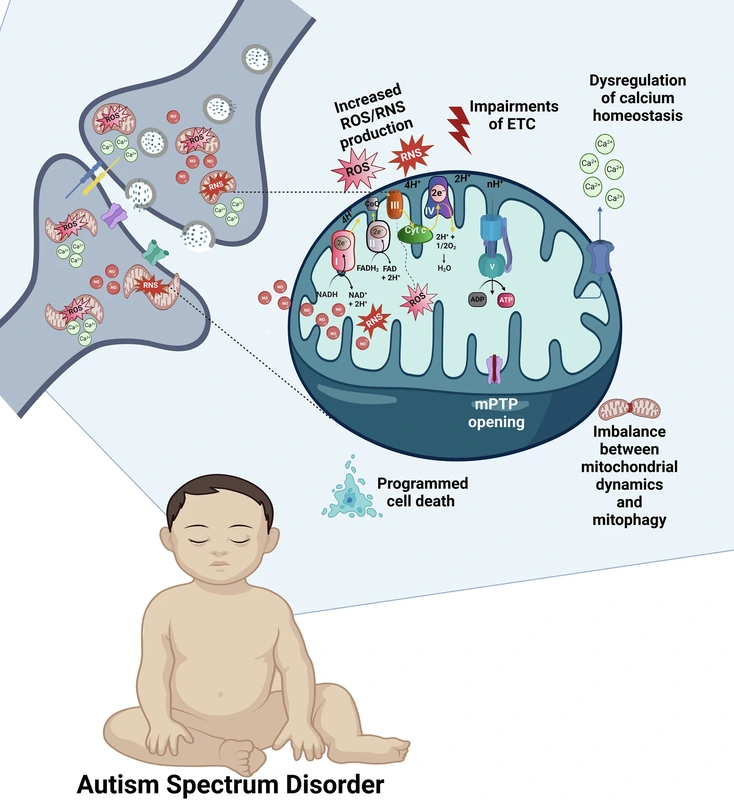
How is mitochondrial Dysfunction, Genetic Protein Maladaptation and Bioenergetic Collapse
seen in Neuro-developmental & Psychiatric Disorders
ill-suited for traditional
mental health care
|
Val's Take/Conjecture
|
|
why is it important to both accommodate the Strengths of People with Neurodevelopmental and Psychiatric Disorders while
creating the conditions so that they can work within their bioenergetic Limits?
How could understanding the significance of Bioenergetics in Neurodevelopmental and Psychiatric Disorders
Provide both a rationale for
high acuity care and care that was
more effective
seeing the rain on a sunny Day
Achieving anti-fragility in dysconnected brain networks requires preserving compensatory hyperconnectivity before it collapses into hypoconnectivity, maintaining homeostatic plasticity balance at hub regions, and targeting the disorder-specific molecular and neurotransmitter profiles that underlie each connectivity phenotype.
Val's Take/Conjecture
- One of the things that led some in the 1960s and later to conclude that mental illness was just a social construct --- "Hey, a lot of these people are smart."
- At one point, people in Sweden (unlike the US) were distrustful of people with big strengths.
- I'm not for CANCELLING people with Hyper-Connected Brains when it starts to get more "Hypo-Connected" or Dysregulated--- but I'm not for ignoring it either.
- This is one of those things --- once you see it and understand it --- YOU CAN'T UNSEE IT.
- This isn't just playing out on a personal level --- it's playing out on an economic, political and even international level.
Val's Take/Conjecture
- I'm linking vaccines to a broader problem of inaccurate or incorrect categories and definitions in our Public Debates, especially with respect to "Neurodevelopmental" and "Psychiatric Disorders."
- Without the UNDERLYING BIOLOGY, we feel forced to use categories and definitions we know are not scientifically valid, and LABELS such as "Autism" that cover such wide spectrums as to be almost meaningless.
- My Maternal Grandmother had polio --- so my family is enormously GRATEFUL for the Polio Vaccine. Several years ago one of my cousins lost an infant baby and she attributed that in part to vaccines.
- Did vaccines lead to Steven's death --- I don't know.
- At least some of us are coming to the table with some pretty idiosyncratic immune profiles --- that are not a result of one factor but a MULTITUDE of FACTORS.
- One of the many problems with the "Autism"- Vaccination Debate --- Researchers are adamant Vaccines don't cause or exacerbate autism ---
- BUT In-Born Errors of Immunity do require special care with regard to vaccinations, AND
- There is a significant, although not total overlap, of "Autism" with In-Born Errors of Immunity.
Val's Take
- Back in 2013 or so, Dr. Thomas Insel -- then head of the US National Institute of Mental Health argued for the need for CLINICAL NEUROSCIENCE.
- One of the things that happened over the last 13 years or so was the recognition that before we could get to CLINCICAL NEUROSCIENCE --- somebody needed to build a system of TRANSLATIONAL NEUROSCIENCE.
- That is being done by many people and institutions around the World --- it is GOOD HOPE.
- Those formalized TRANSLATIONAL NEUROSCIENCE efforts also provide a more solid foundation for TRANSLATIONAL CRIMINAL JUSTICE efforts.
- The work of the Legal System is not identical to that of the Researchers or the Clinicians.
More and More "translational Neuroscience" is progressing ---
Often at University medical centers around the world
|
AMAZING ---
Springer Publishing collaborates with Stanford University for OPEN ACCESS Translational Neuroscience --- Foundations for Precision Therapies (Sept. 2026) 
|

Bridging the translational gap in systems neuroscience: from circuit mechanisms to clinical therapeutics (March 2026)
CHINA This profound disconnect between sophisticated mechanistic understanding and limited clinical progress can be quantified as a striking publication-to-therapy chasm. |
Neuroethics and equitable access to emerging therapies are increasingly recognized as essential dimensions of global neuroscience coordination
Recognizing innate immune and mitochondrial dysfunction in justice-involved people with neurodevelopmental and psychiatric disorders could enable biomarker-guided screening, immune-modulating and mitochondria-targeted treatments, and integrated transitional care — addressing biological substrates that current justice and mental health systems entirely overlook
Epigenetic priming of offspring microglia by MIA permanently alters fetal immune system development, priming it for dysfunction later in life
IEIs [In-Born Errors of Immunity] drive neurodevelopmental and psychiatric disorders through a convergence of cell-intrinsic genetic vulnerabilities and systemic immune dysregulation, suggesting that mechanism-based immune treatments could address both immune and neural dysfunction simultaneously
Val's Take/Conjecture
- This has been a wide-ranging traumatic journey in the DARK.
- The imperative to get to COMPLICATED SUBSTANTIVE ANSWERS with LIMITED ENERGY and Invisible Chronic Illness or Illnesses -- led me to de-prioritize FORM, even though I know form has its own importance.
- This website is more an Artist's Workshop than it is a finished product.
- All the questions have not been answered BUT it is a considerably different LANDSCAPE than when I started Orchid in 2013.
- The importance of getting a PUBLIC CONSENSUS on these issues has been brought home as --- what the Law Giveth, the Law Can Taketh Away.
- The Science on Pre-Natal Neuro-Immune Mechanisms and "Second Hits" across the Lifespan has EXPLODED.
- For Neuro-Diverse Individuals seeking ACCOMMODATIONS it can be difficult to horrific if ATYPICAL BIOENERGETICS isn't on one's radar screen or anyone else's.
- Internationally, some Countries are starting to address rising Immune Dysregulation by name such as India.
- A Public Health Approach to Criminal Justice remains a Priority.
In-Born Errors of Immunity and Neuro-Developmental & Psychiatric Disorders
A Swedish nationwide cohort of over 4.2 million offspring found that maternal PIDs increased offspring risk of bipolar disorder by 71% and that co-occurring maternal autoimmune disease further elevated risk for both psychiatric disorders and suicidal behavior
The Bigger Picture
Population-Level Immune Dysregulation

Val's Take
|
|
Val's Take/Conjecture
- Neurodivergent People often have Extraordinary Strengths due to Idiosyncratic Sensory Processing.
- On the other hand, this is coming at a huge energy cost.
- There are real risks associated with pushing heavily leveraged systems beyond their energy limits.
- Understanding the Risk of Maladaptive Synapse Triaging to Enforce Operating within available Energy while Losing Functionality --- means understanding the need for Awareness, Accommodations and Better Treatments.
How can Traditional Mental Health Care increase the load on Neurodevelopmental & Psychiatric Disorders
that involve Hyper and Hypo Connected Brain Networks, Hypo-Metabolism, Endocrine Dysregulation and Mitochondrial Dysregulation?
Bottom Line
Energy demands of hyper- and hypo-connected brains lead to “maladaptive triaging” when synaptic maintenance decisions become dominated by metabolic constraint rather than functional value.
Across the supplied literature, the best-supported pathway is excess or deficient connectivity altering synaptic ATP demand, glutamatergic burden, and mitochondrial support, which then biases pruning and stabilization toward an energetically efficient but functionally harmful synaptic landscape.
Hyper and Hypo-connected brains, energy demands, "maladaptive triaging" and
The possibility of mini-stroke and Psychosis Or
vascular-metabolic mechanisms leading to Energetically Insufficient Connectivity and brain network failure
trans folks, Neuro-diversity and harder ethical issues
occupational Therapy
|
IRRITABILITY
|
"Brains do not just need connectivity
they need enough energy to sustain it"
Val's Take/Conjecture
- It's not just people who are Justice-Involved or Homeless who are struggling knowingly or unknowingly with Allostatic Load, Ruthless Mechanistic Bioenergetics and Neurodevelopmental and Psychiatric Disorders and the Need for Personalized Medicine --- it's large percentages of the Global Population.
- BIG DATA could ironically help us get to the High Levels of Personalized Medicine we really need.
Val's Take/Conjecture
- So one of the important observations ---- it's not that medication and therapy have no value.
- It's really understanding that the PUZZLE is so much LARGER and more COMPLEX than we're treating it.
- This observation is not as ABSTRACT as it's been.
- In 2026, we can get fairly specific about what's being missed --- and that ability is steadily increasing.
- This is a lot more to take on --- but Licensed Clinical Social Workers as Complex Care Managers and Leaders --- might be the ones to do it.
- On the other hand, overloading Case Management has been a perennial problem.
- University Teaching Hospitals that often have access to that larger range of Medical Disciplines on-site might be able to significantly contribute with regard to closing the Science-Practice Gap and practical service design improvements.
Neonatal immune dysregulations and
Multi-system monitoring
Adults
Pregnancy & Childhood
Why is it important to treat Microglial Dysregulation and Mitochondrial Dysfunction as
linked problems?
LET's get that target off our backs
Yes, the science-practice gap can make systems serving neurodevelopmental, psychiatric, and addiction disorders convenient political targets.
The literature suggests that the main reason is not just weak science, but the mismatch between complex life-span conditions and simplistic service architectures.
Val's Take/Conjecture
- So our Service Delivery systems are "SIMPLISTIC" in the sense that they don't recognize the Complexity of Neurodevelopmental, Psychiatric and Addiction Disorders as Life-Span, Multi-System Disorders.
- On the other hand, the "Service Delivery Architectures" can be marvels of bureaucratic complexity. See -- Misery Loves Company or Our Favorite Judicial Quotes on the Complexity of Medicaid.
- Disability Advocates are right to see this attack on Section 504, the ADA and Olmstead as not just relating to people with Severe Mental Illness ---- BUT we're singled out for a reason and that's because we are an EASY TARGET.
|
The REALITY of SEVERE MENTAL ILLNESS IS different than how we have conceptualized it --- whether as a :
|
|
DOJ goes after Section 504, the ADA & Olmstead
As they relate to people with severe mental illness or disabilities
& State institutionalization
Val's Take/Conjecture
- Is this a thinly veiled attempt to change the conversation away from the Epstein Files, the many controversies at DOJ and the Iran War --- PROBABLY.
- AND THIS IS A DISCUSSION WE NEED TO HAVE.
- Olmstead is an important historic case for DISABILITY RIGHTS and HUMAN RIGHTS.
- When it comes to people with "severe mental illness or disabilities" ----
Incarceration and Homelessness Rates for People with Severe Mental Illness in the U.S.
Each year, roughly 2 million people with serious mental illness are booked into U.S. jails, and about 1 million are in state and federal prisons, while homelessness among this group is widespread — estimates suggest 1 in 3 to 1 in 2 people with severe mental illness experience homelessness at some point in their lives NAMI+1. --- Copilot
We Need a Public Health Approach to Criminal Justice
with a
Broad-Based Continuum of Care
Va's Take/Conjecture
- One of the big concerns during MENTAL HEALTH DE-INSTITUTIONALIZATION was warehousing people in MENTAL HOSPITALS.
- We got rid of a lot of Mental Health Hospital Beds ---- and a lot of people know that we warehouse a lot of people in Jails and Prisons in the US ---- it's the MOST INCARCERATED COUNTRY IN THE WORLD.
- It is also possible to warehouse people in Community Mental Health.
- A lot of people probably don't think of Ted Cruz as Siddhartha Gautama --- the BUDDHA --- but Ted Cruz did say --- What family doesn't have someone dealing with mental health or addiction problems.
- More and More First Responders, Law Enforcement, Farmers, People from all walks of Life --- including Service Providers and Politicians --- are saying as Actor and Filmmaker Joe Pantoliano --- No Kidding? Me Too!
- Leaders of the Medical Profession around the world have called for the INTEGRATION of Physical and Mental Health Care for awhile --- some of that has happened.
- We're moving from relatively ABSTRACT understandings of the need to do that --- to more grounded specifics.
The inter-connected axis of Dysregulated Microglia and DysfunctionAL Mitochondria
Dysregulated microglia and dysfunctional mitochondria form an interconnected axis that influences brain development, immune signaling, and neuronal survival.
Across neurodevelopmental, psychiatric, and addiction‑related disorders, this axis contributes to chronic neuroinflammation, aberrant synaptic and circuit remodeling, and heightened vulnerability to stress and degeneration.
Because of this central role, microglial state and mitochondrial health are increasingly viewed as shared mechanistic hubs and promising therapeutic targets spanning multiple brain disorders
why are immune-metabolic pathways promising targets in brain disorders?
Summary
Immune–metabolic pathways in microglia and other brain immune cells are promising targets because they mechanistically link energy use to inflammatory behavior, are dysregulated across many CNS diseases, and sit at regulatory “hubs” (AMPK, mTOR, HIF‑1α, lipid pathways) that can be pharmacologically tuned.
Targeting these pathways offers the prospect of truly modifying disease by restoring healthier immune phenotypes and slowing neurodegeneration, rather than only blocking single cytokines or symptoms.
Dysregulated Microglia reshape synapses and metabolism
linking immune stress to circuit changes and mitochondrial dysfunction in brain disorders
"milieu of chronic innate immune activation and metabolic stress"
Conclusion
Across neurodevelopmental and psychiatric disorders, dysregulated microglia link innate immune signaling to changes in synapse number, sensory and circuit function, and cellular metabolism.
Over‑ or under‑pruning and inflammatory remodeling alter connectivity and excitatory/inhibitory balance, while sustained immune activation drives microglial metabolic reprogramming and mitochondrial dysfunction.
These intertwined synaptic and bioenergetic stresses provide a unifying framework for how innate immune dysregulation in microglia can contribute to complex brain network and mitochondrial abnormalities seen across diverse brain disorders.
Maternal Immune activation, placenta-crossing cytokines and
neuro-immune challenges across the lifespan
Val's Take/ Conjecture
AI has a lot of limitations, but so do Institutions and Individuals.
Who first really called out the DSM 5 and Clinicians in 2013 --- the US NATIONAL INSTITUTE OF MENTAL HEALTH.
My God, if that is not the right MESSENGER --- I don't know who is.
BUT there was a lot of POLITICAL BACKLASH and professionals who legitimately didn't understand how shaky the foundation was for their profession [although some did].
Further, a lot of people, not just professionals, were concerned that issues involving environment and trauma would be missed and/or lost. In fact, much of the biological research corroborates environmental and trauma issues while also helping to explain why some people may be more vulnerable.
Additionally, just saying --- "YOU'RE WRONG" --- was not that helpful to Clinicians --- although I would argue and have argued that has LEGAL RAMIFICATIONS.
Since 2013, there has been tremendous progress in the research and more complete and sophisticated understandings have emerged.
There is a new "CONSENSUS" in the research regarding Neurodevelopmental and Psychiatric Disorders --- AWARENESS of that could make things "BETTER ALREADY" and inform the many aspects in which policy making intersects.
AI has a lot of limitations, but so do Institutions and Individuals.
Who first really called out the DSM 5 and Clinicians in 2013 --- the US NATIONAL INSTITUTE OF MENTAL HEALTH.
My God, if that is not the right MESSENGER --- I don't know who is.
BUT there was a lot of POLITICAL BACKLASH and professionals who legitimately didn't understand how shaky the foundation was for their profession [although some did].
Further, a lot of people, not just professionals, were concerned that issues involving environment and trauma would be missed and/or lost. In fact, much of the biological research corroborates environmental and trauma issues while also helping to explain why some people may be more vulnerable.
Additionally, just saying --- "YOU'RE WRONG" --- was not that helpful to Clinicians --- although I would argue and have argued that has LEGAL RAMIFICATIONS.
Since 2013, there has been tremendous progress in the research and more complete and sophisticated understandings have emerged.
There is a new "CONSENSUS" in the research regarding Neurodevelopmental and Psychiatric Disorders --- AWARENESS of that could make things "BETTER ALREADY" and inform the many aspects in which policy making intersects.
How energy, connectivity, and lifespan brain disorders pull against each other
Across neurodevelopment, adulthood, and aging, the brain must balance limited mitochondrial energy supply with the costs of maintaining large‑scale networks.
The “tensions” arise when mitochondrial bioenergetics can no longer fully support patterns of hyper‑ and hypoconnectivity seen in neurodevelopmental and psychiatric disorders and in aging brains.
Getting honest ABout
Addiction care, evolving science, primitive treatments, civil commitment and criminal justice
Val's Take/Conjecture
One of the things drug treatment advocates talk about is "HARM REDUCTION" in treatment as more realistic and effective.
The Legal System has developed a number of processes to REDUCE THE HARM of legal systems, including Juvenile Justice, Dependency and Neglect Proceedings, Civil Commitment Proceedings and Problem Solving Courts.
Access to treatment can absolutely be an issue. The issue of inadequate understandings and treatments is currently a HUGE FLY IN THE OINTMENT.
We need to think about HARM REDUCTION as it relates to the legal system in light of RAPIDLY EVOLVING SCIENCE and INADEQUATE TRANSLATIONAL MEDICINE & RESEARCH.
One of the things drug treatment advocates talk about is "HARM REDUCTION" in treatment as more realistic and effective.
The Legal System has developed a number of processes to REDUCE THE HARM of legal systems, including Juvenile Justice, Dependency and Neglect Proceedings, Civil Commitment Proceedings and Problem Solving Courts.
Access to treatment can absolutely be an issue. The issue of inadequate understandings and treatments is currently a HUGE FLY IN THE OINTMENT.
We need to think about HARM REDUCTION as it relates to the legal system in light of RAPIDLY EVOLVING SCIENCE and INADEQUATE TRANSLATIONAL MEDICINE & RESEARCH.
Conclusion
Evolving evidence shows addiction is deeply intertwined with immune and inflammatory processes that impair judgment and drive dangerous behavior, while many civil commitment and justice practices still rely on coercive, abstinence‑focused models with limited demonstrated benefit.
The central tension is between a neuroimmune, chronic‑disease understanding that points toward immunomodulatory and evidence‑based care, and legacy legal and treatment systems that prioritize control, short‑term risk management, and criminalization, often at the expense of autonomy, effectiveness, and family trust.
What is "immune priming"
and what does it have to do with Neuro-Developmental, Psychiatric and Addiction Disorders
Immune Priming and the Brain:
How a “Trained” Immune System Shapes Mental and Addiction Disorders
Immune priming refers to lasting changes in the innate immune system after an initial challenge, so later challenges trigger a stronger or altered inflammatory response.
This idea has expanded from basic immunology into brain science, helping explain risk for neurodevelopmental, psychiatric, and addiction disorders across the lifespan.
What are the relationships among Neuro-Developmental and Psychiatric Disorders
with Addiction and Common Neuro-Immune Pathways?
Summary
Neurodevelopmental disorders, major psychiatric illnesses (depression, bipolar disorder, psychosis), and addiction frequently share common neuro‑immune pathways. These include chronic low‑grade inflammation, microglial and cytokine dysregulation, maternal immune activation, gut–brain–immune interactions, and overlapping genetic risk with immune diseases.
Such shared mechanisms likely contribute to high comorbidity and may open routes to immune‑targeted, transdiagnostic prevention and treatment strategies.
Why is Neurology's understanding of Neuro-Immune Mechanisms
important for the assessment and treatment
of people with Neurodevelopmental Disorders, Psychiatric Disorders and Brain Injury in the Criminal Justice System?
Summary
Neurology’s understanding of neuro–immune mechanisms shows that immune dysregulation and neuroinflammation are central to many neurodevelopmental, psychiatric, and post‑TBI conditions.
In criminal justice contexts, this knowledge is crucial to:
(1) recognize when behavior reflects treatable immune‑mediated brain dysfunction;
(2) use biomarkers and imaging to refine diagnosis and risk assessment; and
(3) develop targeted, mechanism-based treatments (including immunotherapies and neuromodulation) that may reduce symptoms, disability and reoffending, rather than relying on purely behavioral or punitive approaches
How is Homeostasis related to Bioenergetics
in Neurodevelopmental and Psychiatric Disorders?
Conclusion
Across neurodevelopmental and psychiatric disorders, homeostasis and bioenergetics are inseparable: mitochondrial energy production, quality control, and redox balance maintain cellular and network stability.
When these energy‑dependent homeostatic systems fail, the result is altered brain development, stress responses, and behavior that characterize many mental and neurodevelopmental conditions.
Should "Low Motivation" be
Re-evaluated in light of new understandings of Bioenergetics
In Neurodevelopmental and Psychiatric Disorders?
Bioenergetics and “Low Motivation” in Psychiatry: Why the Concept Likely Needs Revision
Growing work on mitochondrial function and brain energy metabolism links classic “low motivation” symptoms in psychiatric and neurodevelopmental disorders to measurable bioenergetic disruption rather than pure psychological weakness or apathy.
What's the relationship between energy and psychosis?
preview
if it's not all genetic --- is the rest "lifestyle choices" ---???
[the dangers of false dichotomies]
Non-genetic health outcomes are not always lifestyle “choices”Health outcomes that are not strongly driven by genetics can still arise from many non-chosen factors, including social, economic, and environmental conditions, early-life circumstances, and interactions between genes and environment. Lifestyle is only one piece of a broader non-genetic picture.
|
Val's Take/Conjecture
At least 80% responsibility for ill health in old age down to individual, study says --- May 20, 2026
UK report argues people have greater control over longevity than widely understood, but others say claim is simplistic What about the Developmental Origins of Health and Disease?
What about MULTI-OMICS?
Not just Genomics but also:
|
BUTWhat are the Risks of Fasting for People with Eating Disorders?
|
What's Neuro-immune modulation got to do with it?
Summary
Neuroimmune modulation is important in hyper‑ and hypo‑connected brains because immune pathways (microglia, cytokines, complement, PI3K, inflammasomes) directly control synapse number, pruning, and myelin integrity—core determinants of functional connectivity.
In hyperconnected states, it can limit immune‑driven excess synapses and excitability; in hypoconnected states, it can prevent or reverse inflammatory synaptic loss.
Balancing, rather than suppressing, neuroimmune activity is central for protecting network structure and optimizing connectivity.
Addressing Legitimate fears of neuro-Diverse people
Summary
Neurodiverse brains are not simply “too connected” or “not connected enough,” but uniquely organized. Personalized connectivity mapping plus focused neuroplasticity‑oriented interventions offer a science‑based way to support underconnected networks while preserving, and even leveraging, existing hyperconnected strengths.
What Explains the Transdiagnostic effects of maternal immune activation
Moderators of Heterogeneous [Diverse] Outcomes
Why different diagnoses from the same insult?
- Timing and severity of immune challenge, type of immunogen (viral-like poly I:C vs LPS), and acute vs chronic inflammation shape which brain systems are affected
- Genetic susceptibility, sex, and postnatal “second hits” (stress, caregiving, additional immune challenges) modulate risk, producing subgroups of resilient vs susceptible offspring with distinct brain, immune, and transcriptional profile.
- Some rodent work shows transgenerational transmission of MIA-induced abnormalities via epigenetic mechanisms
LPS in Maternal Immune Activation
In the context of maternal immune activation (MIA), LPS stands for lipopolysaccharide, a major component of the outer membrane of Gram-negative bacteria. It is a potent endotoxin that triggers a strong immune response when it enters the bloodstream. -- Copilot
Maternal immune activation,
dysregulated microglia,
mitochondria, and
circuit “hyper/hypo” compensation
Conclusion
Dysregulated microglia induced by maternal immune activation are closely linked to oxidative stress and mitochondrial dysfunction, forming a vicious cycle of neuroinflammation.
Through altered pruning, neurogenesis, and interneuron development, this leads to region‑specific circuit changes that can be interpreted as both compensatory hyper- and hypo-connected areas, not a globally uniform pattern.
Brain Hyper- and/or Hypo-Connectivity
In Neurodevelopmental, Psychiatric, Addiction, Brain Injury, Neurologic and Neurodegenerative Disorders
Conclusion
Across diverse brain disorders, hyper- and hypoconnectivity cluster in a small set of large-scale networks (DMN [Default Mode Network], FPN [Fronto-Parietal Network], salience, limbic/reward, sensorimotor).
Early or milder insults often show hub-focused hyperconnectivity that may be compensatory, while more chronic or degenerative stages are marked by widespread hypoconnectivity and reduced network efficiency.
Shared vulnerability of central hubs and integrative connections helps explain overlapping symptoms and supports network-based, transdiagnostic models of brain disease.
countries cannot realistically fund an adequate
continuum of care
Without addressing the
science-practice GAP
large‑scale connectivity changes
in neuro-developmental and psychiatric disorders
How Brain Energy becomes
a big Issue
Conclusion
Across conditions, microglial dyshomeostasis, mitochondrial impairment, and glutamate excitotoxicity form a feed‑forward loop that disrupts synaptic pruning, glutamatergic balance, and network organization. This loop can manifest as both hyper‑ and hypoconnected brain networks, helping unify cellular pathology with large‑scale connectivity changes in neurodevelopmental and psychiatric disorders.
How science–practice gaps
are failing people with neurodevelopmental Disorders who are homeless or justice‑involved
And More Support for Integrating
psychiatry and neurology
|
|
Why a Neurological Perspective Matters?
|
What we've been trying to get at --- Without the catchy phrase
What is the "legalome" ----
"The biological ecology of Justice"
Conclusion
The legalome is a “biological ecology of justice” in that it treats criminal behaviour and legal responsibility as emerging from a living ecosystem of microbes, bodies, environments, and institutions. Justice, on this view, must respond not just to individual acts, but to the biological and ecological conditions that help produce them.
Conclusion
The “legalome” arises in mid‑2020s scholarship (primarily by Logan, Prescott, Mishra and colleagues) as a new term for applying microbiome and omics science to questions of responsibility, culpability, and mitigation in criminal law and neurolaw. Its intellectual roots lie in older ideas about biology and crime, but it is distinct in grounding legal debates in contemporary gut–brain, exposome, and omics research.
|
|
|
|
Val's Take --- Some Concerns for the Allocation of Burden in the "Legalome" and the semantic distinction between "Responsibility" and "Punishment."
I don't think we have to do a "rapid overhaul" and we should proceed cautiously with respect to individual assessment protocols and treatments. Are individual defendants supposed to bear the burden of our ignorance when the scope of biological knowledge is much different than what we're using and is expanding rapidly? |
LAW & ECONOMICS
|
|
|
Conclusion |
Summary
Across endocrine, metabolic, and gut domains, evidence consistently supports tight biological and clinical links with mental disorders and shows practical benefits of joint protocols and specialized services. Taken together, these studies argue that psychiatry should be systematically integrated not only with neurology, but also with endocrinology, metabolic medicine, and gastroenterology to deliver truly comprehensive, personalized care.
|
|
|
Surprising connections:
Linking Aggression and Fatigue via Neuro‑Immune Pathways
Multi-omics, the immune system and
neuro-developmental and psychiatric disorders
Neuro-Immune disorders or Neuro-immune mechanisms?
|
Val's Take/Conjecture
|
|
mitochondrial dysfunction
|
Mitochondrial Dysfunction in Psychiatric and Neurodevelopmental Disorders
|
Can Dysregulated Microglia cause Mitochondrial Dysfunction in Neurodevelopmental and Psychiatric Disorders?
Bidirectional Relationships and a "VICIOUS CYCLE" |
Yes, there is strong evidence that Anti-Social personality Disorder is
best understood as a developmental disorder
natural killer cells and maternal immune activation
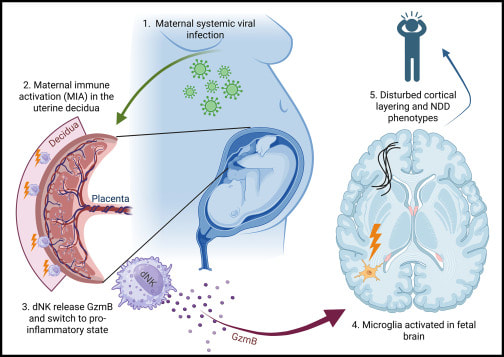

Val's Take/Conjecture: I have invested in the "DEEP" version of Consensus AI.
AI is not an author in the traditional sense although it can generate documents. Below Consensus AI addresses Natural Killer Cells in Autism and ADHD. So as a person who loves RESEARCH, I'm interested in how AI can assist us --- but as an advocate I want people who are justice-involved and homeless to have access to the latest understandings and bring these issues to the court of public opinion as well as others with signifiant roles in this challenge. AI is just a starting point --- but it can be a transformative starting point. |

Natural Killer Cells and Maternal Immune Activation
Recent research shows that maternal natural killer (NK) cells play a critical role in shaping fetal immune and nervous system development, especially when maternal immune activation (MIA) is triggered by infection or inflammation. Role of Decidual NK Cells in PregnancyDuring pregnancy, decidual NK (dNK) cells—abundant in the uterine lining—support fetal growth by promoting angiogenesis, vascular remodeling, and trophoblast invasion American Journal of Obstetrics & Gynecology. They are a major component of the maternal-fetal immune interface, balancing immune defense with tolerance to the semi-allogeneic fetus pmc.ncbi.nlm.nih.gov. Maternal Immune Activation and NK Cell ResponseWhen the mother experiences maternal immune activation—for example, from prenatal viral infections—dNK cells can become activated. Inflammatory signals, such as those from type I interferons, can shift dNK cells toward a pro-inflammatory state Cell Press. Granzyme B and Fetal Brain ImpactA 2025 Immunity study found that CD49a⁺ tissue-resident dNK cells release extracellular granzyme B (GzmB) under interferon stimulation Cell Press. This GzmB crosses the maternal-fetal barrier and:
Mechanism and ConsequencesThe pathway is:
SummaryMaternal NK cells are not just immune sentinels but active regulators of fetal brain development. Under MIA, their aberrant granzyme B release can cross the placenta and disrupt fetal neuroimmune balance, increasing susceptibility to neurodevelopmental disorders. Understanding and targeting this pathway may offer new preventive approaches for pregnancy-related neurodevelopmental outcomes. |
PsychiaTric Disorders, Epigenetics, the immune System and the Neuro-immune axis
|
Val's Take/Conjecture
We're on the cusp of being able to prevent neuro-developmental and psychiatric disorders as the result of maternal immune activation (or China may be)---

Maternal Immune Activation, Epigenetics, and the Immune System
Maternal immune activation (MIA) refers to inflammatory responses in the mother during pregnancy, often triggered by infections, autoimmune conditions, obesity, asthma, or psychosocial stress. These inflammatory signals can cross the placenta and affect fetal development, increasing the risk of neurodevelopmental disorders (NDDs) such as autism spectrum disorder (ASD), attention-deficit/hyperactivity disorder (ADHD), and Tourette syndrome Nature. Immune System ImpactMIA alters the offspring’s immune system during the critical first 1000 days of life. Studies in pre-clinical models show changes in cytokine profiles, immune cell composition, and immune cell function, including altered responses to subsequent immune challenges pmc.ncbi.nlm.nih.gov+1. For example, maternal COVID-19 exposure has been linked to neonatal immune dysregulation, suggesting long-term health consequences pmc.ncbi.nlm.nih.gov. However, findings are sometimes inconsistent, and the exact immune pathways involved remain unclear. Epigenetic MechanismsEpigenetics—heritable changes in gene expression without altering DNA sequence—is a key mechanism linking MIA to long-term health effects. Inflammatory signals can induce DNA methylation, histone modifications, and non-coding RNA changes that “prime” the fetal immune and nervous systems Nature+1.
In summary: MIA during pregnancy can permanently alter the offspring’s immune system and brain through inflammatory signaling and epigenetic changes, with lasting effects on neurodevelopment and immune health. Understanding these mechanisms is critical for developing preventive and therapeutic approaches. |
Psychiatric Disorders, Epigenetics, and the Immune System
Recent research suggests that psychiatric disorders can be influenced by epigenetic changes that alter immune system function, creating a bidirectional link between mental health and immunity. Epigenetics in Mental HealthEpigenetics refers to heritable changes in gene expression that do not involve changes to the DNA sequence. Mechanisms include DNA methylation, histone modification, and non-coding RNA regulation. These can be shaped by environmental factors such as stress, trauma, diet, and infections, and can persist across generations visualize.jove.com. In psychiatric disorders, epigenetic modifications can:
Key findings:
|
aNTI-FRAGILITY AND AGING AND PRE-MATURELY AGING POPULATIONS ACROSS THE GLOBe
["pre-maturely aging populations" is primarily referring to people with neuro-developmental and/or Psychiatric disorders]
|
Val's Take/Conjecture
Abstract |
Brain aging in neurodevelopmental disorders: a narrative review of oxidative, inflammatory, and mitochondrial mechanisms (2025)
*Brazil Two of the things people are advised to do to stave off dementia:
For Neuro-Diverse folks with an IQ 0ver 70, it's important to be able to address the complicated nature of neuro-diversity:
|
|
BIological Aging Acceleration in Major Depressive Disorder:
|
Neuro-divergence and health issues
|
Val's Take/Conjecture
|

Neurodivergent individuals often face a range of health problems, including chronic physical and mental health conditions, which can significantly impact their overall well-being.
Common Health Issues Associated with Neurodivergence
|
Prenatal maternal immune activation triggers lasting cell-specific transcriptomic dysregulation in the amygdala of primate offspring (2026)
We identified 2768 unique differentially expressed genes (DEGs), concentrated in excitatory and inhibitory neurons of the lateral nucleus and microglia of the central nucleus.
These DEGs converge on synaptic structure, neurotransmission, and neuroimmune signaling-core processes in circuit assembly and behavioral regulation.
MIA-associated DEGs significantly overlap with high-confidence ASD- and psychosis-risk gene sets, directly linking prenatal immune events to human disease pathways.
This study provides the first region- and cell-type-specific evidence in a primate model that transient prenatal maternal immune responses lead to lasting transcriptomic dysregulation.
These findings reveal how early immune insults may alter neurodevelopment and offer a translational framework for identifying molecular targets for early intervention.
Multi-omics as the long promised Global translational Medicine dividend
|
Val's Take/Conjecture
|
Targeting GzmB in maternal NK cells alleviates MIA-induced neuroimmune disorders
|

Maternal-fetal immune conflict contributes to
male-specific impairments in a mouse model of neurodevelopmental disorders (2026)
|
Val's Take/Conjecture
|

|
The role of immune cell phenotypes and metabolites in bipolar disorder risk:
a Mendelian randomization-based mediation analysis (2026)
*China
Conclusion: Our results demonstrate genetic underpinnings of the causal relationships between specific immune cell phenotypes, blood metabolites, and BD pathogenesis. A potential immune-metabolic pathway was identified, where naive-mature B cells affect BD risk via alpha-hydroxyisovalerate. These findings offer mechanistic insight and suggest novel targets for biomarker development and therapeutic intervention.
|
Immunogenetic variants in major mental and neurodevelopmental disorders (2026)
|
|
Val's Take/Conjecture
|
We're not quite to the FAR SIDE OF COMPLEXITY in the Research -- BUT WE"RE GETTING THERE.
It will likely benefit not only Neuro-Developmental and Psychiatric Disorders but a wide range of other Illnesses, Disorders and Dysregulations. |
Neuro-Developmental and psychiatric disorders
Maternal immune activation and accelerated epigenetic aging
|
Val's Take/Conjecture
The CARE TEAMS for Neuro-Developmental and Psychiatric Disorders need to reflect the complexity of these conditions and the need for INDIVIDUALIZED PRECISION MEDICINE.
Maternal Immune Activation Disrupts Epigenomic and Functional Maturation of Cortical Excitatory NeuronS (2025) |
Accelerated aging in psychiatric disorders:
Highlights |
From RDOC and Psychiatry to
Multi-omics, multiple systems of the body and INTEGRATED, precision medicine, including development
|
Val's Take/Conjecture
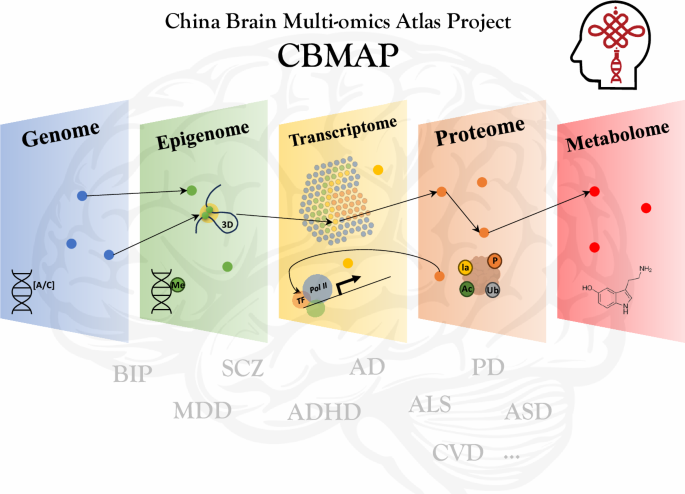
Research Goals |

Metabolomic Biomarker Signatures for Bipolar and Unipolar Depression (2024)
Affiliations

While RDoC calls for the study of circuit-based functional dimensions as studied across multiple units of analysis, two additional aspects represent equally important elements of the RDoC framework: |
|
Psychiatric Disorders and Immune System “Premature Aging”
Recent research in the field of immunopsychiatry suggests that certain psychiatric disorders — particularly psychotic disorders like schizophrenia — may be linked to a form of premature immune aging or “inflamm‑aging” that begins during organ development Nature. Evidence for Immune Dysfunction in Psychiatric Disorders Studies have found aberrant immune phenotypes in patients with schizophrenia, including altered numbers and activation states of both innate (microglia, macrophages) and adaptive (T cells, B cells) immune components Nature+1. These changes can occur in the brain and in the periphery, and they are associated with neuroinflammation, which may contribute to neurocognitive deficits and symptom onset. Premature Inflamm‑Aging HypothesisThe 2024 Molecular Psychiatry review proposes that immune “burnout” or inflamm‑aging — a state of chronic, low‑grade immune activation — may be a primary mechanism in the pathogenesis of psychosis Nature. This is not the same as normal aging, but rather an accelerated immune system decline that starts early in life, potentially due to developmental immune insults, chronic stress, or early infections. Key points from this hypothesis:
The brain and immune systems are in constant communication. Peripheral immune signals can cross into the brain via the bloodstream or along neural pathways, influencing mood, cognition, and behavior Cambridge University Press & Assessment+1. Chronic immune activation can disrupt this balance, contributing to psychiatric symptoms. ImplicationsIf confirmed, this model suggests:
This reframes psychiatric illness as a neuroimmunological disorder with immune system aging as a key component. |
Val's Take: NIMH's note on Developmental and Environmental Aspects does serve to update RDoC --- but the reference to "Neural Circuits" seems dated since so much of current biological research is focused on aspects that are not neural.
|
|
Val's Take/Conjecture
|
Semaglutide and Early-Stage Metabolic Abnormalities in Individuals With Schizophrenia Spectrum Disorders:
Thrive Choir adapting Leonard Cohen's
Forget Your Perfect Offering |
How Can Maternal Immune Activation Dysregulate Metabolism?
|
Val's Take/Conjecture
|
How Maternal Immune Activation Dysregulates Metabolism
Maternal immune activation (MIA) — a systemic inflammatory response during pregnancy — can disrupt fetal development not only in the brain but also in metabolic systems, leading to long-term metabolic dysregulation in offspring. 1. Inflammatory signaling across the placenta When maternal immune activation occurs, inflammatory mediators such as cytokines (e.g., IL-6, TNF‑α, IL‑1β) and pathogen-associated molecular patterns (PAMPs) cross the placenta. These signals can directly affect fetal tissues, including the pancreas, liver, and adipose tissue, altering their function and gene expression Nature+1. 2. Disruption of metabolic tissue development In animal models, MIA has been shown to impair pancreatic β‑cell development and insulin production, reduce adipose tissue differentiation, and alter hepatic glucose metabolism. These changes can lead to insulin resistance, impaired glucose tolerance, and altered lipid metabolism in the offspring Frontiers. 3. Epigenetic and metabolic programming MIA can induce epigenetic modifications in fetal metabolic genes, “priming” them for altered function postnatally. For example, inflammatory signals can modify DNA methylation or histone acetylation in genes regulating insulin signaling, adipogenesis, and mitochondrial function Nature. This programming can persist into adulthood, increasing susceptibility to obesity, type 2 diabetes, and metabolic syndrome. 4. Links to neurodevelopmental and metabolic comorbidities Neurodevelopmental disorders (NDDs) such as autism spectrum disorder and ADHD are associated with MIA, and these conditions often co-occur with metabolic abnormalities. Shared pathways include neuroinflammation, oxidative stress, and dysregulation of neurotransmitter systems that also influence appetite, energy balance, and glucose homeostasis Nature+1. 5. Immune–metabolic crosstalk in pregnancy Pregnancy itself involves immune-metabolic adaptations, such as shifts in adipokine profiles, insulin sensitivity, and energy partitioning. MIA can amplify or destabilize these adaptations, tipping the balance toward a pro-inflammatory, insulin-resistant state in the fetus The Lancet. Summary MIA dysregulates metabolism by:
No one is saying Diet and Exercise aren't important --- but it is important to recognize reality that some of these systems, including metabolic systems, are getting dysregulated at pre-natal stages of development.
|
Targeting notch signaling
to restore neural development and behavior in mouse models of ASD [Autism Spectrum Disorder]
(2026)
*Japan
The M1-like microglia-A1-like astrocyte Axis:
A central hub linking BDNF [Brain-Derived Neurotropic Factor] dysregulation in chronic stress to anxiety disorders (2026)
*China
|
Val's Take/Conjecture
|
Abstract
The high global prevalence of anxiety disorders, coupled with the limitations of existing treatments, constitutes a severe public health challenge. Chronic stress, as a core environmental trigger, has garnered increasing attention for its mechanism of mediating brain-derived neurotrophic factor (BDNF) imbalance through neuroinflammation. BDNF dysregulation may contribute to anxiety disorders, particularly in subtypes with heightened neuroinflammation. The objective of this review is to comprehensively and methodically explores the potential role of the “M1-like microglia-A1-like astrocyte axis (M1-A1 axis)” in linking chronic stress to BDNF dysregulation in anxiety disorders, and to provide a theoretical basis for intervention strategies targeting this axis. By synthesizing recent relevant clinical and preclinical evidence, this review integrates evidence from molecular to systems levels, focusing on the activation mechanisms of neuroinflammation under chronic stress, the crosstalk between glial cells, and their regulatory network on BDNF. Chronic stress is associated with peripheral and central cascades through hypothalamic-pituitary-adrenal (HPA) axis activation and gut microbiota disruption. Within the central nervous system (CNS), stress induces microglial polarization toward the pro-inflammatory microglial subpopulations (hereinafter referred to as M1-like microglia). The signals released by M1-like microglia, such as Interleukin-1 alpha (IL-1α), Tumor Necrosis Factor-alpha (TNF-α), and Complement Component 1q (C1q) (ITC), drive astrocytes to transform into the neurotoxic astrocyte states (hereinafter referred to as A1-like astrocyte), forming the “M1-A1 axis”. This axis contributes to BDNF dysregulation through the following mechanisms: (1) Release of pro-inflammatory cytokines inhibits BDNF transcription and translation; (2) Induction of astrocytic lactate metabolism disruption, which impairs neuronal energy supply and acidifies the microenvironment, further amplifying inflammation and affecting BDNF expression; (3) Compromise of the blood-brain barrier(BBB)enables peripheral immune cells to penetrate into the CNS, and these cells work in synergy with central glial cells to amplify inflammation. The reduction in BDNF and the imbalance in the ratio of its precursor to mature form ultimately lead to impaired synaptic plasticity in brain regions like the hippocampus (HIP) and amygdala, precipitating anxiety-like behaviors. Existing pharmacological interventions are inadequate to reverse this pathological process. The M1-A1 axis may serve as a key node linking chronic stress to BDNF dysregulation and anxiety disorders. Targeting the phenotypic transformation of glial cells, repairing the BBB, or modulating glial cell metabolism (e.g., lactate shuttle) may represent potential strategies requiring further validation. Future research should focus on the spatiotemporal dynamics of this axis and its clinical translation. |
|
|
Conclusions: AA [Allergic Asthma] and AD [Atopic Dermatitis] acted as risk factors for depression; AA [Allergic Asthma] and AR [Allergic Rhinitis] increased the risk of BD [Bipolar Disorder]; ASD [Autism Spectrum Disorder] served as a protective factor for AU [Allergic Uticaria]; TD [Tic Disorder] was a risk factor for AC [Allergic Conjunctivitis].
|
Val's Take/Conjecture
|
Belgium covid Organizations move the conversation forward in a big way
Proposing Collaborations with psychiatry, immunology, infectology and patient communities

Val's Take/Conjecture
- Immuno-Psychiatry didn't begin with Long Haul Covid.
- But Long Haul Covid is bringing Immuno-Psychiatry into a context that is more intuitive than some of the other contexts in which it needs to be incorporated.
- So it is not surprising that we would move from Auto-Immune Encephalitis, PANS/PANDAS to Long Haul Covid.
- Further, recognition of the issues surrounding Maternal Immune Activation is making its way in Obstetrics.

Mark Cuban
|
Viewpoint | linking long Covid and AD(H)D through neuroimmune dysfunction: A translational framework proposal for precision medicine (2026) |
|
Maternal immune activation impairs neurodevelopment in offspring
|
Results: MIA offspring exhibited anxiety-like behaviors, cognitive deficits, and sensory gating impairments. The ASK1/MAPK pathway demonstrated spatiotemporal-specific disturbances: hippocampal ASK1 activity showed a triphasic dynamic abnormality, while the prefrontal cortex displayed biphasic suppression. These pathway disruptions were closely associated with brain region-specific imbalances in apoptosis homeostasis. The Bax/Bcl-2 ratio in the prefrontal cortex exhibited biphasic oscillations, whereas the hippocampus showed selective suppression of apoptotic activity at P7 and P21. Nissl staining further confirmed neuronal structural damage in MIA offspring. |
RevisIting the March 29, 2019 Frontiers in Psychiatry Editorial --- Again
1Department of Psychiatry and Psychotherapy II, Bezirkskrankenhaus Guenzburg, University of Ulm, Ulm, Germany
2Department of Immunopathology, ICPMR, Westmead Hospital, Westmead, NSW, Australia
3Department of Neurology, Zucker School of Medicine at Hofstra/Northwell, Lenox Hill Hospital, New York, NY, United States
2Department of Immunopathology, ICPMR, Westmead Hospital, Westmead, NSW, Australia
3Department of Neurology, Zucker School of Medicine at Hofstra/Northwell, Lenox Hill Hospital, New York, NY, United States
|
Val's Take/Conjecture
|
|
Could Insights from Neuro-immunology improve care and reduce incarceration rates for
People with Neuro-Developmental & Psychiatric disorders?
|
Immune cells influence major depression through metabolites:
|
Highlights
•
Uses Mendelian randomization and mediation to explore immune-metabolic-depression.
•
First identifies metabolites as mediators between immune cells and depression.
•
Provides direction for exploring biomarkers and immune-metabolic roles in depression.

|
Increased Tumor Necrosis Factor Superfamily Members in
|
Overview
The TNF superfamily (TNFSF) consists of 19–20 structurally related ligands that are primarily type II transmembrane proteins containing a TNF homology domain (THD).
These ligands can exist as membrane-bound or soluble trimers, which cluster their corresponding receptors to initiate intracellular signaling cascades.
TNFSF members are predominantly expressed by immune cells but also function in other tissues, influencing processes such as proliferation, differentiation, apoptosis, embryogenesis, and inflammation.
The evolution of psychiatry
|
Val's Take/Conjecture
"PSYCHO-NEURO-IMMUNOLOGY" was really the idea that emotions could impact our immune system and the emphasis was still on the PSYCHOLOGICAL aspect.
In "IMMUNO-PSYCHIATRY" --- the emphasis is on the IMMUNE aspect. This got brought into high relief with AUTO-IMMUNE ENCEPHALITIS AND PANS & PANDAS. The application of IMMUNO-PSYCHIATRY became very broad in the research with the association of MATERNAL & PATERNAL IMMUNE ACTIVATION with Neuro-Developmental & Psychiatric Disorders. It is "MECHANISTIC" --- but it may be "mechanistic" in a much less threatening way that is more accurate.
|
Dr. Susan Manfull talks to
Dr. Shannon Delaney About Tick-Borne Diseases and PANS (2025) |
|
Immune-brain plasticity
|
Finally, we chart how the field could dissect neuroimmune interactions across biological scales in the near future by highlighting the conceptual frontiers and emerging technologies.
Understanding the modulation of neuroimmune interactions promises to inform next-generation treatments for mood disorders.
Embracing complexity:
connecting bipolar affective disorder, joint hypermobility and neurodivergence (2026)
Conclusions: This suggests a potential mechanism for affective pathophysiology, through developmental characteristics associated with joint hypermobility.
The appreciation of interacting physical and neurodivergent traits to the expression of psychiatric illness has implications for diagnostic formulation, personalised medicine and service design.
|
Val's Take/Conjecture
BETTER UNDERSTANDINGS can help us better utilize our gifts for ourselves and others and minimize the risks --- danger to self or others or grave disability.
This isn't about rounding up everyone who is hypermobile, has thyroid disorders, eye disorders, bone abnormalities or something else --- it's about acknowledging reality and working to make it the best we can for everyone. Hypermoblity is just one of a very long list of physical traits or conditions that may be associated with some of the more challenging aspects of Neuro-Diversity and Psychiatric Disorders. This touches most if not all families --- these new understandings could help all of us. "Yes, there is a connection between hypermobility and neurodivergence. Research indicates that individuals with conditions like autism or ADHD are more likely to experience generalized joint hypermobility (GJH) or related conditions. Observational studies show that neurodivergent groups often exhibit hypermobility alongside autonomic issues and sensory differences. This suggests that hypermobility may be a symptom or co-occurrence with neurodivergent conditions, highlighting the need for awareness and understanding in clinical
settings." sedsconnective.org+1 |
Smarthistory
Flying high, the young van Dyck as Icarus |
Why That 70 or above IQ makes people with a primary diagnosis of a neuro-Developmental or Psychiatic Disorder ----
SO VULNERABLE --- THIS ISN'T about intelligence --- It's about energy
|
Val's Take /Conjecture
"Okay you use a wheelchair --- BUT you have a Masters Degree-- you don't need a ramp --- I'm not stupid!"
Like hell you aren't! When I wrote my blog riffing off of Taylor Swift's "You'll Get Better Soon" --- one of the things I said was that there are issues that the older paradigms do not sufficiently address.
That would primarily be ENERGY. The fascinating thing is that ENERGY is the primary issue in Neuro-Developmental and Psychiatric Disorders. It is also flying under the radar for most of us:
At some point --- one is getting beyond giving someone additional time --- and tapping into the BENEFITS of "HYPER-FOCUS," IDIOSYNCRATIC SENSORY PROCESSING and an "Individualized ENRICHED ENVIRONMENT."
|

Because of my idiosyncratic sensory processing there are some areas in which my information knowledge is ---10 Times or more the average person ----
This also starts to become akin to giving a person with DYSLEXIA additional time on the test ---- "Hey, that's not fair to the other students."
Now--- we have made a lot of progress on "DYSLEXIA" but it is harder for us to see on the much larger scale of Neuro-Developmental and Psychiatric Disorders in general.
Further, at least some of us were able to MASK our ENERGY challenges until ADULTHOOD. I don't think I'm the only person in which the Mental Health Apparatus has been both a LIFE-SAVING MIRACLE and a HORRIFIC NIGHTMARE. You're asked to pay out of network to get GASLIT and you are verbally and emotionally abused for having your ENERGY CHALLENGES ---
AND IT IS VERY DANGEROUS. |
"Key Facts:
- Energy Crisis: Energy depletion halts normal glutamate release and triggers abnormal, self-reinforcing surges.
- Toxic Cascade: Excess extracellular glutamate harms neurons and impairs synaptic function.
- Intervention Clue: Blocking NMDA receptors significantly reduced harmful glutamate release events."
ATP Release Deficiency through Astrocytic Connexin 43 in the Dorsal Hippocampus
Promotes Depressive- and Anxiety-Like Behaviors (2026)
*ChinA
|
"Biological Significance
In living organisms, redox balance is crucial for cellular respiration and energy production. Electrons are transferred through molecules like NAD+/NADH and FAD/FADH2 in the electron transport chain, releasing energy that is captured to synthesize ATP, the cell’s energy currency. Redox balance also regulates cell signaling, enzyme activity, and gene expression, allowing cells to respond to internal and external stimuli effectively. biologyinsights.com" |

Mitochondrial Metabolism in Astrocytes Regulates Brain Bioenergetics, Neurotransmission and Redox Balance (2020) *Nebraska, Greece & Cyprus Val's Take/Conjecture
|
Preview: Neuro-Diversity Wednesday
Hyper-Binding: Older Adults Form Too Many Associations, Not Too Few (2024)
This work shows that older adults form more nontarget associations than younger adults, which leads to increased interference at retrieval and forgetting, an effect that may extend to others with poor attentional control, such as children and people with attention-deficit disorder.
We discuss why hyper-binding is apparent only under implicit test conditions and how it affects memory for everyday events.
Although hyper-binding likely contributes to forgetting, it may also confer certain advantages when seemingly irrelevant associations later become relevant.
|
Val's Take/Conjecture
Highlights |

Yes |
Neuro-Developmental & Psychiatric Disorders
Is my psychiatrist competent to deal with my immune dysregulation?
|
Val's Take/Conjecture
|
This review discusses the role of hormonal imbalances, immune system activation during the prenatal (maternal immune activation) and the neonatal periods (neonatal immune activation), immune dysregulation and gut dysbiosis in the development of ASD. 
Yes
Should immunology be included in psychiatric care?Yes, immunology should be included in psychiatric care. The growing body of research indicates that the immune system plays a significant role in the pathogenesis of psychiatric disorders. This includes the identification of immune-related proteins associated with neuropsychiatric disorders, which can serve as potential therapeutic targets. Additionally, the interplay between immune markers and psychiatric symptoms suggests that a more integrative model of psychiatric care, considering immune dysregulation as both a contributor to and a potential consequence of mental illness, is essential. This approach can lead to new diagnostic classifications and treatment strategies, ultimately improving patient outcomes. ReachMD+4 |
Major depressive disorder and Hashimoto's thyroiditis:
Shared immunometabolic signatures revealed by integrative transcriptomics (2026)
*China & Japan
|
Val's Take/Conjecture
|

Abraham and Mary Todd Lincoln
National Portrait Gallery |
ThE wide-ranging Process of "Getting the cards" to reform Mental Health
|
Val's Take/Conjecture
|
If anybody seemed to have the cards to address the shaky foundations of Mental Health it was former Executive Director of the US National Institute of Mental Health Thomas Insel when he called out the DSM 5 in 2013.
|
|
Glioinflammation:
|
|
Val's Take/Conjecture
Abstract [Bullets added]
|
Vocabulary Terms:

What's the Point?
Aggression
|
Val's Take: Much of my concern is that a lot of what Mental Health does is not effective or effective enough because the underlying understandings are woefully inadequate when not outright wrong.
We need to carefully consider how our current systems are failing to synthesize vast amounts of information coming out of research institutions around the world in a timely manner.
We need to carefully consider how our current systems are failing to synthesize vast amounts of information coming out of research institutions around the world in a timely manner.
Dissecting the genetic relationship
between severe mental disorders and autoimmune diseases (2026)
*Norway & US
In conclusion, MD [Major Depression], BD [Bipolar Disorder], and SCZ [Schizophrenia] have a small but distinct genetic overlap with autoimmune diseases, which may inform new possible immune targets for treatment in mental illness.
|
Val's Take/Conjecture
|
Two things are going on in the research:
One of the reasons why it is so important to get to the underlying biology is that IT IS NOT IDENTICAL ACROSS PATIENTS even when they may be in the same antiquated diagnostic category.
I think that is one of the things the US National Institute of Mental Health was trying to get at back in 2013 when it called out the DSM 5. Further, when researchers around the world invoke "PRECISION PSYCHIATRY" it is as a contrast to the IMPRECISE PSYCHIATRY of the DSM 5. |
Mapping the genetic landscape across 14 psychiatric disorders (2026)
These observations may inform a more neurobiologically valid psychiatric nosology and implicate targets for therapeutic development designed to treat commonly occurring comorbid presentations.

Abstract |
Affiliations
1Department of Psychology and Neuroscience, University of Colorado Boulder, Boulder, CO, USA. [email protected]. 2Institute for Behavioral Genetics, University of Colorado Boulder, Boulder, CO, USA. [email protected]. 3Department of Complex Trait Genetics, Center for Neurogenomics and Cognitive Research, Amsterdam Neuroscience, Vrije Universiteit Amsterdam, Amsterdam, The Netherlands. 4Department of Psychiatry, Amsterdam UMC, Amsterdam, The Netherlands. 5Center for Bioinformatics, Department of Informatics, University of Oslo, Oslo, Norway. 6NORMENT Centre, Institute of Clinical Medicine, University of Oslo and Division of Mental Health and Addiction, Oslo University Hospital, Oslo, Norway. 7Department of Neurology, David Geffen School of Medicine, University of California, Los Angeles, CA, USA. 8Discovery Biomarker, Amgen, Thousand Oaks, CA, USA. 9Department of Human Genetics, David Geffen School of Medicine, University of California, Los Angeles, Los Angeles, CA, USA. 10Department of Psychiatry, David Geffen School of Medicine, University of California, Los Angeles, Los Angeles, CA, USA. 11Department of Quantitative Health Sciences, Mayo Clinic, Rochester, MN, USA. 12Department of Psychiatry & Psychology, Mayo Clinic, Rochester, MN, USA. 13KG Jebsen Centre for Neurodevelopment, University of Oslo, Oslo, Norway. 14Analytic and Translational Genetics Unit, Massachusetts General Hospital and Harvard Medical School, Boston, MA, USA. 15Program in Medical and Population Genetics, Broad Institute of MIT and Harvard, Cambridge, MA, USA. 16Stanley Center for Psychiatric Research, Broad Institute of MIT and Harvard, Cambridge, MA, USA. 17Center for Genomics and Personalized Medicine, CGPM, Aarhus, Denmark. 18Department of Biomedicine, Aarhus University, Aarhus, Denmark. 19The Lundbeck Foundation Initiative for Integrative Psychiatric Research-iPSYCH, Aarhus, Denmark. 20Social Genetic and Developmental Psychiatry Centre, King's College London, London, UK. 21Computational Health Centre, Helmholtz Munich, Neuherberg, Germany. 22Department of Biosystems Science and Engineering, ETH Zurich, Zurich, Switzerland. 23Department of Medicine, Technical University of Munich, Munich, Germany. 24Helmholtz Pioneer Campus, Helmholtz Munich, Neuherberg, Germany. 25The Novo Nordisk Foundation Center for Genomic Mechanisms of Disease, Broad Institute of MIT and Harvard, Cambridge, MA, USA. 26Department of Biochemistry and Molecular Biology, Indiana University School of Medicine, Indianapolis, IN, USA. 27Department of Medical and Molecular Genetics, Indiana University School of Medicine, Indianapolis, IN, USA. 28Department of Neuroscience and Physiology, Norton College of Medicine, SUNY Upstate Medical University, Syracuse, NY, USA. 29Department of Psychiatry, Norton College of Medicine, SUNY Upstate Medical Universitiy, Syracuse, NY, USA. 30Department of Cognitive Neuroscience, Radboud University Medical Center, Nijmegen, The Netherlands. 31Department of Human Genetics, Radboud University Medical Center, Nijmegen, The Netherlands. 32Donders Institute for Brain, Cognition and Behaviour, Radboud University, Nijmegen, The Netherlands. 33Department of Psychiatry, Perelman School of Medicine, University of Pennsylvania, Philadelphia, PA, USA. 34Lifespan Brain Institute at Penn Med and the Children's Hospital of Philadelphia, Philadelphia, PA, USA. 35Department of Psychiatry, Yale University School of Medicine, New Haven, CT, USA. 36VA Connecticut Healthcare Center, West Haven, CT, USA. 37Department of Psychiatry, Washington University School of Medicine, St Louis, MO, USA. 38Department of Psychiatry and Behavioral Sciences, Texas A&M University, College Station, TX, USA. 39Department of Psychiatry & Behavioral Health, Stony Brook University, New York, NY, USA. 40Department of Genetics, Rutgers University, Piscataway, NJ, USA. 41Human Genetics Institute of New Jersey (HGINJ), Rutgers University, Piscataway, NJ, USA. 42Broad Institute of MIT and Harvard, Boston, MA, USA. 43Department of Epidemiology, Harvard TH Chan School of Public Health, Boston, MA, USA. 44Department of Psychiatry, Massachusetts General Hospital, Boston, MA, USA. 45Center of Excellence for Stress and Mental Health, Veterans Affairs San Diego Healthcare System, San Diego, CA, USA. 46Department of Psychiatry, School of Medicine, University of California San Diego, La Jolla, CA, USA. 47Research Service, Veterans Affairs San Diego Healthcare System, San Diego, CA, USA. 48Center for Precision Psychiatry, Department of Psychiatry, Massachusetts General Hospital, Boston, MA, USA. 49Department of Psychiatry, Harvard Medical School, Boston, MA, USA. 50Psychiatric and Neurodevelopmental Genetics Unit, Center for Genomic Medicine, Massachusetts General Hospital, Boston, MA, USA. 51Centre for Psychiatry Research, Department of Clinical Neuroscience, Karolinska Institutet & Stockholm Health Care Services, Stockholm, Sweden. 52Department of Community Health and Epidemiology and Faculty of Computer Science, Dalhousie University, Halifax, Nova Scotia, Canada. 53Institute of Psychiatric Phenomics and Genomics (IPPG), University Hospital, LMU Munich, Munich, Germany. 54Department of Psychiatry, Boston University Chobanian & Avedisian School of Medicine, Boston, MA, USA. 55National Center for PTSD at VA Boston Healthcare System, Boston, MA, USA. 56Analytic and Translational Genetics Unit, Department of Medicine, Massachusetts General Hospital, Boston, MA, USA. 57Department of Medical and Molecular Genetics, Department of Psychiatry, Stark Neurosciences Research Institute, Indiana University School of Medicine, Indianapolis, IN, USA. 58Department of Psychiatry and Behavioral Sciences, Institute for Genomics in Health, SUNY Downstate Health Sciences University, New York, NY, USA. 59Center for Genomic Medicine and Department of Psychiatry, Massachusetts General Hospital, Boston, MA, USA. 60Department of Medicine, Division of Genetic Medicine, Vanderbilt University, Nashville, TN, USA. 61Institute for Genomic Medicine, University of California San Diego, San Diego, CA, USA. 62Center for Clinical and Translational Science, Maine Health Institute for Research, Portland, ME, USA. 63Department of Psychiatry, Tufts University School of Medicine, Boston, MA, USA. 64Department of Neurology, Brigham and Women's Hospital, Harvard Medical School, Boston, MA, USA. 65Department of Psychiatry, Massachusetts General Hospital, Harvard Medical School, Boston, MA, USA. 66Stanley Center for Psychiatric Research, Broad Institute, Cambridge, MA, USA. 67Amgen-deCODE Genetics, Reykjavik, Iceland. 68Faculty of Medicine, University of Iceland, Reykjavík, Iceland. 69Herbert Wertheim School of Public Health and Human Longevity Science, University of California San Diego, La Jolla, CA, USA. 70VA San Diego Healthcare System, San Diego, CA, USA. 71Department of Psychology, Humboldt-Universität zu Berlin, Berlin, Germany. 72Department of Psychiatry, University of North Carolina at Chapel Hill, Chapel Hill, NC, USA. 73Center on Aging and Population Sciences, University of Texas at Austin, Austin, TX, USA. 74Department of Psychology, University of Texas at Austin, Austin, TX, USA. 75Population Research Center, University of Texas at Austin, Austin, TX, USA. 76Department of Psychology, Emory University, Atlanta, GA, USA. 77Department of Psychiatry, University of Oxford, Oxford, UK. 78Institute for Molecular Bioscience, University of Queensland, Brisbane, Queensland, Australia. 79Virginia Institute for Psychiatric and Behavioral Genetics, Virginia Commonwealth University, Richmond, VA, USA. 80Department of Psychiatry, Virginia Commonwealth University, Richmond, VA, USA. 81Broad Institute of MIT and Harvard, Boston, MA, USA. [email protected]. 82Department of Psychiatry, Harvard Medical School, Boston, MA, USA. [email protected]. 83Psychiatric and Neurodevelopmental Genetics Unit, Center for Genomic Medicine, Massachusetts General Hospital, Boston, MA, USA. [email protected]. |

Molecular and Neuroimaging
Correlates of Bipolar Disorder:
Linking Inflammation, Mitochondria, and Brain Circuitry (2026)
*Poland & Czech Republic
Provides much needed SYNTHESIS of current Knowledge
emphasizing the interdependence of inflammatory processes, mitochondrial function, and neural networks.
|
Val's Take/Conjecture
|

|
PubMed® comprises more than 39 million citations for biomedical literature from MEDLINE, life science journals, and online books.
|
WE NEED TO PAY TO SYNTHESIZE THIS INFORMATION
|

Mitochondria transfer for myelin repair (2026)
*University of Cambridge & Imperial College London
|
Val's Take/Conjecture

These findings provide comprehensive evidence for shared genetic mechanisms linking mitochondrial function and psychiatric disorders, highlighting mitochondrial dysfunction as a promising target for future therapy. |
Abstract |
|
Excessive vigorous exercise impairs cognitive function through a muscle-derived
|
|
Val's Take/Conjecture
I don't think there is anything wrong with trying to encourage HEALTHY LIFESTYLES as a means of promoting health and keeping budgets in check.
BUT things are often more complicated, and if it doesn't work out it is the INDIVIDUAL'S FAULT even as BILLION DOLLAR RESEARCH INSTITUTIONS are working at getting better answers. |
Abstract New York Post
Lindsey Vonn REVEALS How Close She Was to Having Leg Amputated After Devastating Olympics Ski Crash |
Nasal administration of mitochondria
Is it the elexir of Youth? It seems to be able to improve a wide range of cognitive issues
|
Val's Take/Conjecture
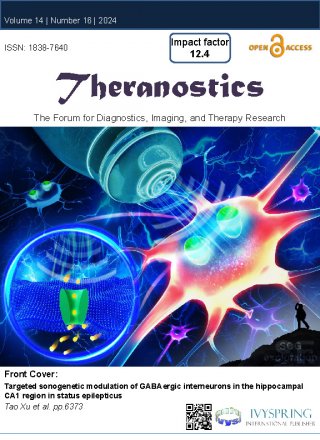
Intranasal delivery of mitochondria for treatment of Parkinson's Disease model rats lesioned with 6-hydroxydopamine (2021)
*Taiwan 
Nasal administration of mitochondria reverses chemotherapy-induced cognitive deficits (2021)
*University of Texas, Germany |

Nasal administration of mitochondria relieves depressive- and anxiety-like behaviors in male mice exposed to restraint stress through the suppression ROS/NLRP3/caspase-1/IL-1β signaling pathway (2025)
*Iran [Iran is another country outside of the West that is doing important mental health research. They may not be as prolific as China --- BUT they are strategic and impactful in their research] 
Intranasal delivery of mitochondria targeted neuroprotective compounds for traumatic brain injury: screening based on pharmacological and physiological properties (2024)
Affiliations 1TBI Bioenergetics, Metabolism and Neurotherapeutics Program, Brain Trauma Neuroprotection (BTN) Branch, Center for Military Psychiatry and Neuroscience (CMPN), Walter Reed Army Institute of Research (WRAIR), 503 Robert Grant Avenue, Silver Spring, MD, 20910, USA. 2TBI Bioenergetics, Metabolism and Neurotherapeutics Program, Brain Trauma Neuroprotection (BTN) Branch, Center for Military Psychiatry and Neuroscience (CMPN), Walter Reed Army Institute of Research (WRAIR), 503 Robert Grant Avenue, Silver Spring, MD, 20910, USA. |
|
The New Paradigms of Neuro-Developmental and Psychiatric Disorders are making clear:
|
We are in desperate need of these new understandings
The society and the Mental health Profession are oblivious to the harm they do everyday



|

Cognitive improvement and prefrontal network interactions in individuals with remitted bipolar disorder
Background: Converging evidence suggests that bipolar disorder (BD) involves mitochondrial dysfunction and prefrontal cortex (PFC) hypometabolism associated with cognitive impairment, which persists in remitted BD individuals. |
looking for that aristotelian mean between sapolsky & Picard
|
Val's Take/Conjecture
Picard and Seager on a MORE SOPHISTICATED VIEW OF MITOCHONDRIA --
THE BOTTOM LINE --- MISSING IN ACTION
|
Functions of Mitochondria
Mitochondria are essential for various cellular functions, including:
|
Chemical & Systems Biology
REPAIR VS TRANSPLANTATION OF MITOCHONDRIA
|
Val's Take/Conjecture

Scientists repair damaged mitochondria linked to common diseases (2025)
*Stanford, US Department of Energy's National Accelerator Laboratory, Meiji University in Japan. 
|

Mitochondrial Transplantation in Animal Models of Psychiatric Disorders: A Novel Approach to Psychiatric Treatment (2025)
*Japan Abstract |
Neuro-developmental differences and an IQ over 70
why flying under the radar can be a recipe for disaster --- and a problematic "scienter"
"Seeing The truth takes too much time & energy"
|
Val's Take/Conjecture
|
Steven Bartlett's "Diary of a CEO"
Conversation with Psychologist Donald Hoffman
|
Translational Criminal Justice & Translational NEURO-Immunology
& the need for Personalized Medicine
|
Val's Take/Conjecture

|

Historical Development of Criminology -- goes back to the 18th Century
|
|
There are these BIG ROCKS such as Immunology, Endocrinology, Metabolism, the Microbiome, etc. that are RELEVANT to Brain Injury, Neuro-Developmental, Psychiatric and Addiction Disorders.
THESE ARE CRITICAL AREAS OF KNOWLEDGE. BUT without PRECISION MEDICINE, you could do more harm than good. Even with all this NEW KNOWLEDGE --- QUANTUM MEDICINE is serving as an UNDER-STUDY and working towards it's big break.

Thomas Aquinas is one of the great Medieval Scholastics and he was very interested in integrating "Faith" and "Reason."
As many of the Medieval Scholastics, he was interested in integrating the ideas of Aristotle and Plato with Christianity. In addition, Avicenna and Al-Ghazali were interested in integrating the understandings of Aristotle and Plato into Islam. Jewish Philosophers such as Saadia Gaon, influenced by Islamic Philosophy, also sought to integrate the ideas of Aristotle and Plato (which were not wholly consistent) into Jewish understandings. 
The "ILLUSION OF KNOWLEDGE" in Mental Health and the Law is STAGGERING.
|

Criminology has been largely within the "Social Sciences" - with Psychology and Psychiatry serving as a kind of BRIDGE to MEDICINE.
Within the 21st Century, there has been much more of a push to a PUBLIC HEALTH APPROACH TO CRIMINAL JUSTICE.
Integrating Mental Health with Police Responses has been part of that. One of the big revelations has been that people with BRAIN INJURY make up a big percentage of the CRIMINAL JUSTICE POPULATION. One of the areas where researchers are investigating MICROGLIA REPLACEMENT is in BRAIN INJURY and Neuro-Degenerative Disorders such as Alzheimer's and Parkinson's. [Microglia are the Brain's INNATE IMMUNE CELLS]. Once we get into IMMUNOLOGY we are full on into MEDICINE and even more INTEGRATION of the "Natural Sciences." BUT it is not just IMMUNOLOGY. It's:
Are they "SHOCKING" --- probably not.] 
|
TURNING A Corner
from a 2013 NIMH Rejection of the DSM to
A 2026 CO recognition that we need to modernize mental health Care
|
Val's Take/Conjecture
|

Patients who are affected by various mental health conditions deserve individualized treatment plans that offer the highest chance of progress. 
|
Smoking During Pregnancy and Risk of Attention-deficit/Hyperactivity Disorder
in the Third Generation (2022)
|
Val's Take/Conjecture
|
In conclusion, the increased activity of complexes I, II, and IV in the brain structures analyzed suggests that maternal exposure to cigarette smoke may be associated with metabolic imbalance in an SZ (schizophrenia) model. 
Aaron Hartman, M.D.
Nicotine as Medicine? A Doctor’s Perspective on the Controversial Biohack (2025) |

|
Dysregulation of Immune Mediators and Synaptic Plasticity
|
Abstract
Bidirectional communication between the central nervous system and the immune system is crucial for brain function, particularly in regulating neuroplasticity: on the one hand, glial cells modulate neuronal function, brain circuitry, axon myelination, dendritic spine architecture, and information processing, while on the other hand, neuronal activity can alter the immune response.
Neuroinflammation and dysregulation of astroglia and microglia can be detrimental to brain development and function.
In particular, maladaptive responses and chronic glial activation have been correlated to synaptic dysfunction in diverse brain conditions.
In the present review, we will provide a general introduction to the main players of the neuroimmune response and their ability to modulate neuroplasticity, followed by a comprehensive overview of experimental evidence linking the dysregulation of immune mediators to the disruption of synaptic plasticity in neurodegenerative and neurodevelopmental disorders, with a specific focus on Alzheimer's disease, Parkinson's disease, and autism spectrum disorder.
It's time to have hard discussions about the dsm --- & Criminal Justice
|
Val's Take/Conjecture
|
The video above is interesting for many reasons.
What I'm going to focus on is the CONCERN regarding "BIOLOGICAL CAUSES OF MENTAL ILLNESS"--- and what I'm perceiving to be a move to a more sophisticated debate. |
|
We've got an IDEA of Biologically-Based Mental Illness in opposition to Non-Biologically Based Mental Illness.
|
How Can Dysregulated Microglia lead to low ATP Levels?
a Theory of Everything or close
developing an outline of neuro-DEvelopmental and Psychiatric Disorders
Across the lifespan, across systems of the body, Across cellular & Molecular Processes, Across Physical and social Environmental Factors, Across Diseases & Disorders, Across medical disciplines, across biomarkers and Laboratory tests
The Major MEDICAL PUBLISHERS would seemingly be well positioned to carry this out
|
Val's Take/Conjecture
Mitochondrial dysregulation as a central mechanism in autism spectrum disorder pathogenesis (2026)
*China 
|
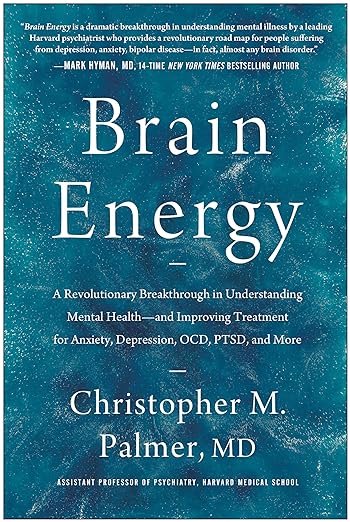

|
The major medical publishers and improving translational medicine
|
Val's Take

|


|
That over-active Immune System across the lifespan
CHILDHOOD
What are pans and Pandas?

B Cell Pathways Link Schizophrenia and immune Disorders
January 14, 2026
The Problems with inadequate translational Medicine are not just in "Mental Health"
|
Val's Take/Conjecture
|

One of the things CMS spearheaded was the development of Protocols for 1st Episode Psychosis.
In the course of that they worked with the National Institute of Mental Health and others to develop recommendations that are much more sophisticated and nuanced approaches to Medication that were being used prior to that. Of course, that BEST PRACTICE is always a MOVING TARGET. The "Intelligences" and Aptitudes we need for Translational Medicine ---
WE NEED TO MOVE FORWARD. |
Mental Health as the Galapagos Islands of Health Care
|
Val's Take/Conjecture

|

Flightless Cormorant
Photo Credit: Galapagos Conservation Trust 

Raphael's School of Athens (1509-1511)
|
An Over reactive immune system could help explain
the "Heterogeneous" Presentation of Psychiatric Disorders
One of many factors over the lifespan: VIRUSES
|
Val's Take/Conjecture
Case Report: The intersection of psychiatry and medicine: diagnostic and ethical insights from case studies (2025)
*Italy [T}hey exemplify shared diagnostic and ethical dilemmas at the medicine-psychiatry interface, including uncertainty, fragmentation, and the risk of epistemic injustice. |
Proposed Lyme Disease Guidelines and Psychiatric Illnesses (2019)
The guidelines fail to address the clear causal association between Lyme disease and psychiatric illnesses, suicide, violence, developmental disabilities and substance abuse despite significant supporting evidence. |
Say What???
Microglia Promote Neurodegeneration and Hyperkatifeia
during Withdrawal and Abstinence from Binge Alcohol (2026)
*University of north carolina
|
Val's Take/Conjecture
|
One of Orchid's Themes & Symbols ---
The Catch 22 
Gut microbiome-derived tryptophan metabolites predict relapse in alcohol use disorder (2026)
*Various Institutions in Michigan |


Our research elucidates there may be causal links between immune traits and the onset of psychiatric disorders, which established a groundwork for the prospective clinical utilization of immune cells as markers for the diagnosis and early intervention of psychiatric disorders.
Val's Take/ConjecturE
MIA resulting in "Premature Aging" Through Immune Dysregulation
including dysregulation of b Cells
Maternal Helminth Infection Causes Dysfunctional B Cell Development in Male Offspring (2024)
*Utah & Kenya B cells require significant ATP to function
B-cell activation upon antigen recognition induces profound metabolic changes in the cell, leading to an increase in ATP production to sustain cell proliferation and differentiation. |
ILTV Israel News
Researchers find the key to reversing immune-system aging (2021) 
Highlights |
Val's take/Conjecture
5 big paradigm shifts ---
|
Selected Current Therapeutic Research Targets
|
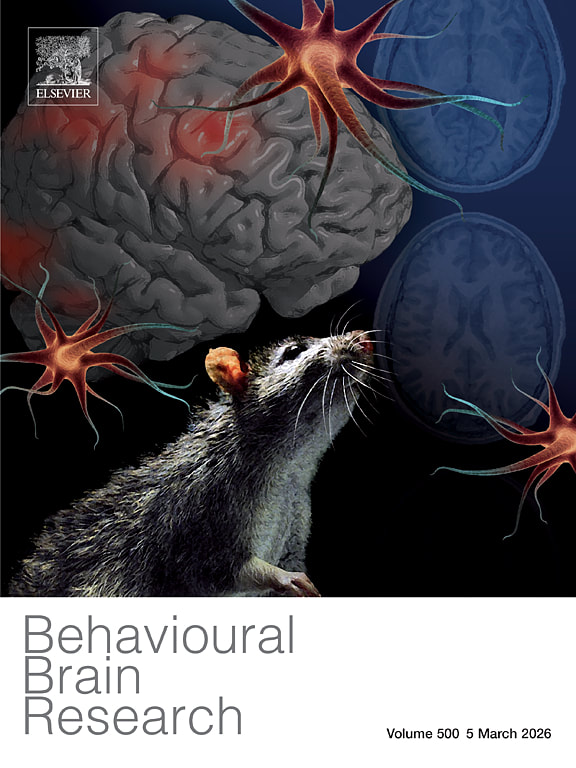
|
Acute systemic immune challenge induces cognitive impairments and anhedonia
|
Abstract
*Systemic immune challenge can also cause neuropsychiatric abnormalities. Interferon-induced transmembrane protein 3 (IFITM3) plays a crucial role in cellular immune defense.
*Previously, we have demonstrated that IFITM3 affects neurodevelopment during the early developmental stage in mice, acting through innate immune activation.
*However, the pathophysiological significance of IFITM3 in immune system activation in adulthood remains unclear. *To address this issue, we aimed to analyze the expression level of IFITM3 in the brain and the behavioral abnormalities in polyriboinosinic-polyribocytidylic acid (polyI:C)-treated adult male C57/BL6J wild-type (WT) and Ifitm3-/- mice.
*The expression levels of Ifitm3 mRNA and protein were significantly upregulated in the medial prefrontal cortex (mPFC), striatum, and hippocampus 24 h after polyI:C treatment in WT mice compared to saline-treated control mice.
*Furthermore, behavioral experiments revealed that polyI:C treatment induced cognitive dysfunction and anhedonia in WT mice, whereas Ifitm3-/- mice were resistant to these disorders. In conclusion, our results demonstrated that in adult mice, immune activation following polyI:C treatment may induce cognitive dysfunction and anhedonia through IFITM3 upregulation in the brain.
*These results suggest that IFITM3 is an attractive therapeutic target for neuropsychiatric dysfunction following immune activation in adulthood.
Developing a Plan of Hope
|
Val Take
|
This society is in DENIAL about the challenges of current Mental Health Treatment.
NIMH's Translational Immunopsychiatry Unit IS NOT A NATIONAL PRIORITY like Venezuela ---
|

|
The Neuropsychiatric Impact of Demyelination:
|
"Number Analytics is a customer analytics software integrating survey, web and behavioral data. Currently customer analytics tools are focusing either survey, web, or behavioral data and integrating multiple data sources are quite challenging.
"The biggest hurdle is data cleaning and data merging due to different data formats collected from different data platforms. We are collecting data directly and analyze the data in the same platform so that you do not need to download and convert data to the right formats and analyze data in different software. It supports PC, Mac, Linux, iOS, and Android."
"The biggest hurdle is data cleaning and data merging due to different data formats collected from different data platforms. We are collecting data directly and analyze the data in the same platform so that you do not need to download and convert data to the right formats and analyze data in different software. It supports PC, Mac, Linux, iOS, and Android."

|
Sex specific correction of maternal inflammation-induced behavioral abnormalities
|
|
PREVIEW: NEURO-DIVERSITY WEDNESDAY
enriched environment, ATP, Employment
And the Neuro-Diverse Person with an IQ over 70
|
Val's Take/Conjecture
PBS NewsHour --- Settle In
Geoff Bennett speaks with Epidemiologist Gideon Meyerowitz-Katz (Dec. 2025) About the "INCREASE" in Autism Diagnoses. |
Environmental enrichment prevents depression-like behaviours induced by immune system activation in male mice (2026)
*Brazil 
Neuro-Diversity has so much to offer --- but being more vulnerable to PSYCHIATRIC DISORDERS is NOT NEUTRAL.
A lot of NEURO-DIVERSE PEOPLE are able to "MASK" --- BUT that costs a lot of ENERGY they don't have to spare. |
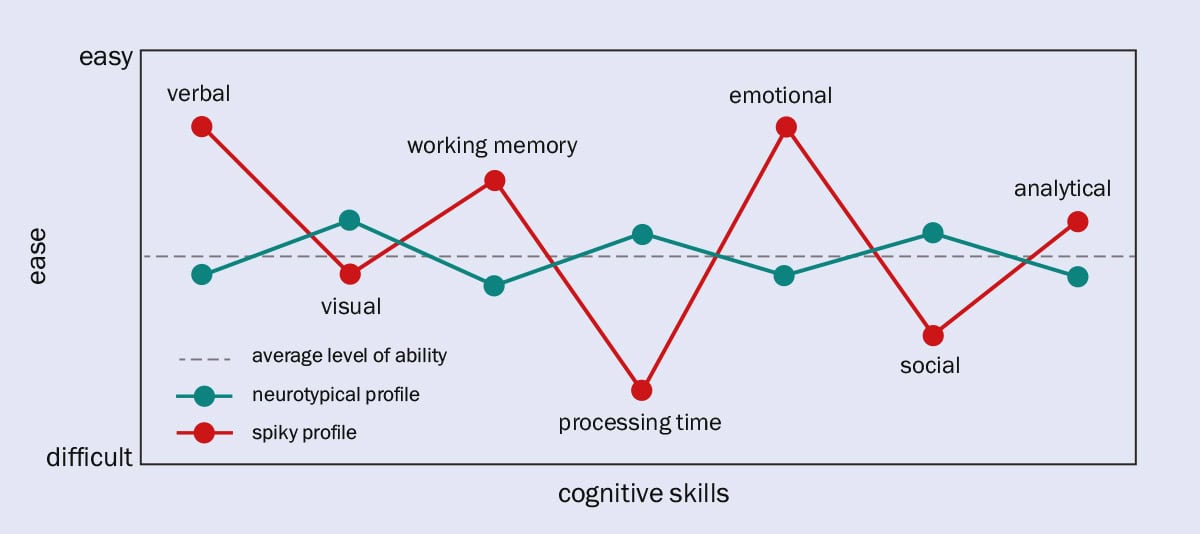
Preview
CAse in Point: PTSD
Immunosenescence (Aging, Deterioration of the Immune System)
Innate & Adaptive Immunity
Epigenetics
Non-coding rnas
the Unfolded Protein response (UPR)
Dysregulation of Glial cells, including Microglia & Astrocytes
Mitochondria Dysfunction

Ginsenoside reprogramming microglia through the FGF/FGFR1 inhibits post traumatic stress disorder (2025)
*China 
|

Systems biology dissection of PTSD and MDD across brain regions, cell types, and blood (2024)
*PTSD Working Group of Psychiatric Genomics Stress-related disorders arise from the interplay between genetic susceptibility and stress exposure, occurring throughout the lifespan. 
Highlights 
|
When "invisible disabilities" remain "invisible" . . .
|
Val's Take/Conjecture
|
|
|
Next with Kyle Clark
Housing voucher program leaves Denver landlords managing formerly homeless tenants (Dec. 2025) Current Mental Health Treatment has had some spectacular successes. It has also had some spectacular failures.
Are Neuro-Immunologists our Saviors?
|

"When Nick would tell us that it wasn't working for him, we wouldn't listen. |
|
Medical research and the creation of clinicians of gross incompetence
|
Val's Take/Conjecture
|
|
|
In Utero immune dysregulations And Multi-system repercussions
|
FENS --- Federation of European Neuroscience Societies
FENS Friday: “The microbiome, immunity, and neurodevelopment trialogue: from womb to adulthood” (2022) |
Chasing Consiousness Podcast
Interview with King's College London Professor of Clinical Microbiology Graham Rook The Microbiome, Mental Health + Re-Thinking Hygiene Theory (2023) |
Val's Take/Conjecture: The Mental Health Profession is more and more obviously ill-prepared to handle Neuro-Developmental and Psychiatric Disorders with a LARGE IMMUNE COMPONENT.
On the other hand, most Medical Disciplines dealing with Chronic Disease whether Neurology, Oncology, etc. --- might be a little more ahead of Psychiatry in identifying BIO-MARKERS ---- BUT aren't achieving the SUCCESS they might with a thoroughly integrated DEVELOPMENTAL, PHYSICAL & MENTAL HEALTH CARE SYSTEM.
One of the great insights of Psychiatry was that early life experiences and ADVERSE CHILDHOOD EXPERIENCES (ACES) could affect people's later mental health.
The insights of MICROBIOLOGISTS around the World are pushing that back to IN UTERO DYSREGULATIONS of the INNATE IMMUNE SYSTEM leading to Neuro-Developmental and Psychiatric Disorders.
TIMING MATTERS:
While DIET and EXERCISE are exceedingly important --- that "TRUISM" is often IGNORANT AND ABUSIVE when applied to some to many Neuro-Diverse Folks.
Further, the Holy Grail of MEDICATION ADHERENCE is much more complicated than advertised.
On the other hand, most Medical Disciplines dealing with Chronic Disease whether Neurology, Oncology, etc. --- might be a little more ahead of Psychiatry in identifying BIO-MARKERS ---- BUT aren't achieving the SUCCESS they might with a thoroughly integrated DEVELOPMENTAL, PHYSICAL & MENTAL HEALTH CARE SYSTEM.
One of the great insights of Psychiatry was that early life experiences and ADVERSE CHILDHOOD EXPERIENCES (ACES) could affect people's later mental health.
The insights of MICROBIOLOGISTS around the World are pushing that back to IN UTERO DYSREGULATIONS of the INNATE IMMUNE SYSTEM leading to Neuro-Developmental and Psychiatric Disorders.
TIMING MATTERS:
- Maternal Immune Activation occurring IN UTERO can lead to DYSREGULATION OF MICROGLIA (the brain's innate immune cells),
- Dysregulation of Multiple Systems of the Body through IMMUNOLOGICAL "CROSSTALK" --- including not only the Central Nervous System, but also the Microbiome, Metabolism and the Endocrine System
- Mitochondrial Dysfunction----
- AND ACCELERATED EPIGENETIC AGING
While DIET and EXERCISE are exceedingly important --- that "TRUISM" is often IGNORANT AND ABUSIVE when applied to some to many Neuro-Diverse Folks.
Further, the Holy Grail of MEDICATION ADHERENCE is much more complicated than advertised.
|
Do immune system and microbiome-gut-brain axis interactions
associate with major depressive disorder? (2025) *China |
Increasing evidence highlights the complex interplay between the immune system, gut microbiota, and their bidirectional crosstalk with the central nervous system.
Gut microbiota dysbiosis affects neuroimmune and intestinal immune homeostasis, driving bidirectional peripheral-central immune responses through immune-to-brain and gut-to-brain communication.
This process involves impaired intestinal barrier integrity (bacterial translocation), systemic low-grade inflammation, activation of innate immune signaling pathways (e.g., TLR4 and NLRP3 inflammasomes), glial cell activation, neuroinflammation, and blood-brain barrier (BBB) dysfunction, ultimately leading to neuronal injury and disturbances in mood, cognition, and behavior.

Peripheral cytokine dysregulation, microglial dysfunction in adolescent major depressive disorder: Neuroimmune crosstalk implications
*China and the US
*to be published in 2026, epublished in 2025
*China and the US
*to be published in 2026, epublished in 2025
Background: Major depressive disorder (MDD) exhibits a high prevalence among adolescents; however, its pathogenesis remains unclear. This study aimed to investigate the relationship between cytokine dysregulation and microglial dysfunction in adolescents with MDD (regardless of disease onset or duration) during the course of the disorder.
. . .
Conclusion:
Dysregulation of cytokines may lead to excessive activation of microglia, resulting in increased release of the neurotoxic KP metabolite 3-HK.
This suppresses microglial proliferation and induces microglial cell death, including pyroptosis, accompanied by the release of pro-inflammatory cytokines.
|
Pyroptosis:
igniting neuropsychiatric disorders from mild depression to aging-related neurodegeneration (2025) *Iran, Texas & Hong Kong |
Highlights
Pyroptosis is an inflammatory form of cell death distinct from the immunologically silent apoptosis.
Coined in 2001, pyroptosis involves caspases and promotes innate immunity.
Neuropsychiatric disorders often lack clear biological markers for diagnosis.
NOD-like receptors induce inflammation by activating pro-inflammatory cytokines.
Understanding pyroptosis may reveal potential therapeutic pathways for neuropsychiatric disorders
*to be published in 2026, epublished in 2025
*The US Big Leagues: Harvard, MIT & Boston College
*The US Big Leagues: Harvard, MIT & Boston College
Abstract
Neurodevelopmental and neuropsychiatric disorders that emerge in childhood (such as autism) and adolescence (such as depression and schizophrenia) currently lack broadly effective therapies, underlying an urgent need to better understand their etiology.
While each disorder has its own set of complex genetic and environmental risk factors, perinatal exposure to intense immune activation and/or stress has been linked to increased disease risk.
Microglia, the resident immune cells of the brain, are impacted in each disorder and exquisitely sensitive to early life experience.
Here, we review the literature suggesting microglia-specific changes in response to early life immune activation and/or stress with an emphasis on microglial interactions with neural synapses and circuits.
We also review the existing literature linking these findings to microglia-specific changes in the brain in autism, depression, and schizophrenia.
Our goal is to bridge the gap between developmental insults and the subsequent pathogenesis of these disorders, highlighting key areas for future mechanistic work.
It is important to identify neuropsychiatric conditions presenting with psychotic symptoms to ensure appropriate treatment is initiated, which should provide
both immunotherapy and antipsychotic treatment.

Risk of Parkinson Disease Higher in Individuals With Autism Spectrum Disorder
(2025)
*Sweden, US and Israel
(2025)
*Sweden, US and Israel
|
Val's Take/Conjecture
|
PREVIEW: Neuro-Diversity Wednesday
Neuro-Diversity and Auditory Differences
Neuro-Diversity and Auditory Differences
|
Val's Take/Conjecture
|
|
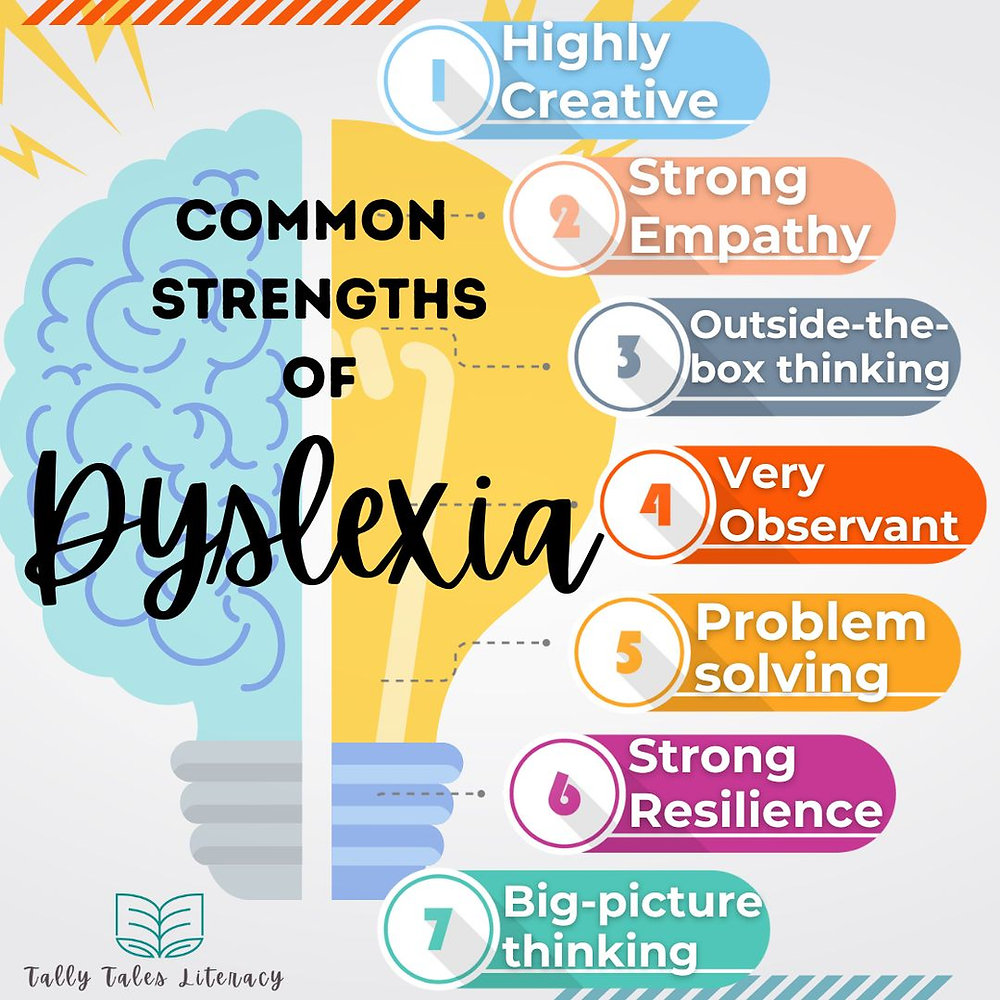

A big part of why music can be helpful for mental health --- it uses many parts of the brain.
|

|
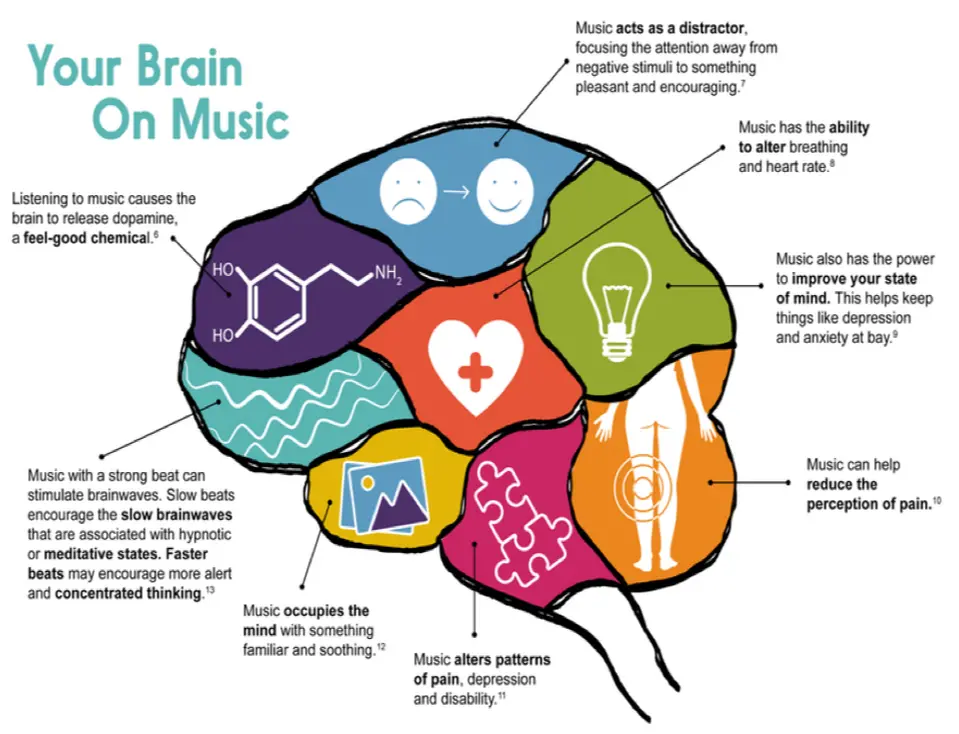
Preview: Neuro-Diversity Wednesday
Dealing with Executive Functioning At the get go in Treatment
Beyond "Authenticity," to Effective use of "EnergY"
|
Val's Take/Conjecture
SYSTEMATICALLY ADDRESSING EXECUTIVE FUNCTIONING in:
A FUNCTIONAL ASSESSMENT FOR EXECUTIVE FUNCTIONING
For those seeking functional and inexpensive executive functioning assessments, the Free Executive Functioning Assessment stands out as a practical and cost-effective option. The Health Foundation --- UK
Shared Decision Making Can Improve the Experience of Care |
Understood ---
David Flink --- Co-Founder & CEO of The Neurodiversity Alliance ADHD, Dyslexia --- Advice for Kids Try Smarter Not Harder “Can you try a little harder to just focus here?” Neuro-Divergent Rebel --- Lyric Riviera
Boundaries

Dr. Gail Saltz is a prominent psychiatrist and author of The Power of Different.
Two of the big messages from The Power of Different:
Workarounds are a BY-PASS of a recognized problem or limitation --- and it is a lot easier to do if that limitation is identified and accurate.
|
Preview
Eye Disorders and Co-Morbid Psychiatric Disorders
Beyond Differential Diagnosis to co-morbidity
|
Val's Take/Conjecture

Major sight-threatening eye disorders and mental disorders (2025)
*China, US, United Arab Emirates, Portugal & Poland 
Causal Relationships Between Retinal Diseases and Psychiatric Disorders Have Implications for Precision Psychiatry (2025)
*China Abstract |
Dry Eye Disease and Psychiatric Disorders: Neuroimmune Mechanisms and Therapeutic Perspectives (2025)
*Croatia 
Neurovascular dysfunction in psychiatric disorders: Underlying mechanisms and therapeutic approaches (2025)
*Portugal Background: Neurovascular interfaces, specifically the blood-brain barrier (BBB) and blood-retinal barrier (BRB), play pivotal roles in maintaining the homeostasis of the central nervous system (CNS). |
Preview: Neuro-Diversity Wednesday
"I am too smart!"
But what's up with those executive functioning issues?
|
Val's Take/Conjecture
The SLOW PROCESSING I think in many cases is related to SENSORY PROCESSING and ATYPICAL SYNAPSES that are in many cases:
One of the things that YOUNGER NEURO-DIVERSE PEOPLE are doing is getting those EXECUTIVE FUNCTIONING ISSUES out on the table.
BUT for OLDER NEURO-DIVERSE PEOPLE we conflated "TRADITIONAL INTELLIGENCE" with "EXECUTIVE FUNCTIONING" as everyone else---
The CRITICAL PIECE that hadn't been fully articulated until Dr. Chris Palmer's book Brain Energy is none other than the role of ENERGY DYSREGULATIONS in Neuro-Developmental and Psychiatric Disorders.
|
Antoine Giraud
Perinatal inflammation exposure and developmental outcomes after neonatal stroke. Val's Note: Results of IQ Scores of children with perinatal inflammation exposure were actually higher than that of "normal" children. 
Transdiagnostic features of inflammatory markers and executive function across psychiatric disorders (2025)
*Taiwan, US and China |
Orchid and Looking to 2026
|
Val's Take
|

|
Preview
Mayors Johnston & Coffman's impressive homeless initiatives
We're slowly moving up the continuum of care --- but recognizing the needs of those at the highest end often eludes us
|
Val's Take

|
Next: 9 News
City of Denver Reports Unsheltered Homelessness is Down in an Historic Way Kyle Clark: "It's not magic it's money --- and Johnston spent a ton of it." 
Serious mental disorders (SMD’s) are associated with an increased risk of medical illnesses and premature mortality from natural causes, with lifespans up to 25 years shorter than the general population . Nevada: Brain Injury and Homelessness
|
Preview
Neanderthals, Precision Medicine, Quantum Medicine & Psychiatry
|
Val's Take/Conjecture

Janus: The Roman God who Looks Forward & Back
Quantum Medicine with its focus on "ENERGY" has great potential to address the ENERGY DYSREGULATIONS in Neuro-Developmental and Psychiatric Disorders.
On the other hand, it doesn't mean there aren't scams out there. |
8:20: Counseling Psychologist Stephen Munt discusses "MILLIONS OF SPECTRA."
The number of variables and cross-interactions is mind-boggling. Psychiatrist and author Dr. Chris Palmer says we need a Super Computer to sort it out. This complexity is driving the need for PRECISION MEDICINE.
|


Immunology, Endocrinology & Neuro-Psychiatric Disorders
Reverse T3 in Hypothyroidism & Neuro-Psychiatric Disorders
--- not as passive as we thought
|
Val's Take/Conjecture
Further, it is becoming more and more apparent to Doctors who specialize in Thyroid Disorders that current tests seem inadequate in a significant percentage of cases.
That is driving among other things a diagnosis of "Functional Hypo-Thyroidism." Thyroid Disorders are not like Multiple Sclerosis or Lupus --- Thyroid Disorders are very common.
Thyroid Disorders have been referred to as "The Tallest Tree in the Forest of Poly-Auto-Immunity." In some respects, Mental Health is the "Tallest Tree" in the need for Integrated Developmental, Mental and Physical Health.
|
The Influence of Reverse Triiodothyronine on Neuropsychiatric Disorders: A Narrative Review (Oct. 2025)
Conclusions: Reverse T3, long viewed as a passive by-product, may play an active regulatory role in neuropsychiatric disorders by interfering with T3 signaling at the cellular level. Functional hypothyroidism refers to a |
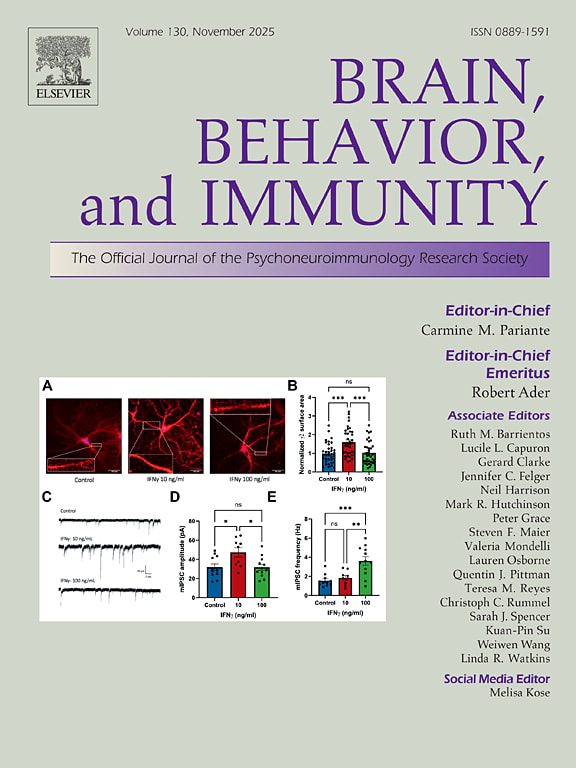
|
|
|
Val's Take/Conjecture
Summary: |
Prenatal stress (PNS) is a well-established animal model of foetal exposure to maternal stress and related psychiatric disorders . . . |
"$2 Saliva Test Could Help Detect Depression and Schizophrenia"
|
Val's Take/Conjecture
The Role of Brain-Derived Neurotrophic Factor in Immune-Related Diseases: A Narrative Review (2022)
*Poland 
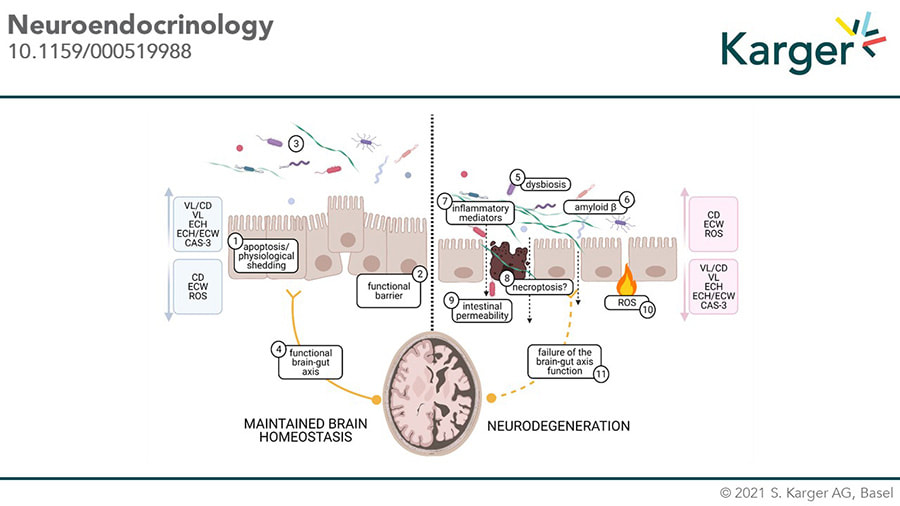
Hypothyroidism Promotes Microglia M1 Polarization by Inhibiting BDNF-Promoted PI3K-Akt Signaling Pathway (2024)
*China
|

Neuroscience News: October 29, 2025
*Brazil Summary: 
From Synaptic Plasticity to Neurodegeneration: BDNF as a Transformative Target in Medicine (2025)
*Romania Withania somnifera Regulates Mitochondrial Biogenesis and Energetics in Rat Cortical Neurons: Role of BDNF and SIRT1 (2025)
*India Given converging evidence suggests a critical role for mitochondrial dysfunction in the pathophysiology of neuropsychiatric and neurodegenerative diseases, we hypothesized that Withania somnifera may exert pleiotropic effects via targeting mitochondria. Collectively, these results indicate that Withania somnifera root extract and specific phytochemical constituents robustly influence mitochondria in cortical neurons, contributing to stress adaptation and neuroprotection via BDNF and SIRT1 signaling. |
Preview
Programs in Translational Medicine and Applied Research
|
Val's Take/Conjecture
Master of Translational Medicine 
|

M-TramThe one-year Master of Science in Translational Research and Applied Medicine (M-TRAM) trains the next generation of academic and industry leaders to successfully translate scientific discoveries and clinical applications into practical solutions that improve and save lives. 

|
The many ironies of Divide & Conquer ----
individualized precision medicine
|
Val's Take/Conjecture
Reverend Paul Jones
I Won't Complain That's My Boy (1951)
This is one of Dean Martin & Jerry Lewis' funniest movies --- it's about 2 middle aged men and their sons who are now college age --- who turned out very different from their fathers. |
Benjamin Clementine
I Won't Complain I love this music video --- it's sophisticated --- very "psychological" --- has a SURREAL quality and references SURREAL ART and MENTAL HEALTH.
I'm referencing the quote below, really to highlight how much ENERGY we can get from the OPPOSITION.
And at the end of the day, a lot of Mental Health problems are about MITOCHONDRIAL "BIOENERGETICS." And for those who hate me, the more you hate me Professor of Immunology Dan Davis
University of Manchester ---the Immune System is the SOURCE of the GREATEST DIVERSITY 
René Magritte. La Reproduction Interdite (Not to Be Reproduced). Brussels (1937)
Benjamin Clementine: "My Mind is a Mirror Known Only to Me." Val's Take: I love Art, Symbolism, Myth and Metaphor.
But sometimes, one needs HARD SCIENCE -- getting to the Cellular and Molecular Levels of understanding. It's amazing that the World's Scientists are largely on the same page with regard to Neuro-Developmental and Psychiatric Disorders --- it is concerning that we don't have the systems for the CLINICIANS who ACTUALLY TREAT THE PATIENTS. That's not really the fault of Mental Health Professionals -- BUT they're not dealing competently with Neuro-Immune Multi-System Disorders by themselves.
|
psychiatric disorders as auto-inflammatory innate immune disorders
Mediated by MICROGLIA
|
Val's Take/Conjecture
One of my pet peeves is "Life Style Choices" in the context of Neuro-Developmental and Psychiatric Disorders.
It is not that I don't think Life Style Choices are important. But Pre-Natal Dysregulations make those "choices" a lot harder for some people than others and they don't always get the same benefit. On the other hand, the Life Style Choices needed by people with Neuro-Developmental and Psychiatric Disorders and the Society may be much more significant than currently contemplated. 

|
Examining the genetic links between clusters of immune-mediated diseases and psychiatric disorders (2025)
Author information
1Institute for Behavioral Genetics, University of Colorado Boulder, Boulder, CO USA 2Department of Psychology and Neuroscience, University of Colorado Boulder, Boulder, CO USA 3Psychiatric and Neurodevelopmental Genetics Unit, Center for Genomic Medicine, Massachusetts General Hospital, Boston, MA USA 4Department of Psychiatry, Harvard Medical School, Boston, MA USA 5Stanley Center for Psychiatric Research, Broad Institute of MIT and Harvard, Cambridge, MA USA 6Massachusetts General Hospital Brigham, Boston, MA USA 7Department of Medicine, Brigham and Women’s Hospital, Harvard Medical School, Boston, MA USA 8Department of Biomedical Informatics, University of Colorado Anschutz Medical Campus, Aurora, CO USA Autoimmune diseases result from abnormal adaptive immune responses, whereas autoinflammatory diseases arise from a malfunctioning innate immune system |
ACCOMMODATIONS
Social Security Disabilty IDEA (Individual with Disabilities Education Act)
(3) Child with a disability |

|
Is the gap between researchers & Clinicians Narrowing?
ACCELERATED TMS Approved by the FDA
Among other things, Transcranial magnetic Stimulation (tmS) appears to have beneficial effects on Glial cells --- Microglia (the brain's immune cells) & AstrocyTes
|
Val's Take/Conjecture

Alcohol-Induced Changes in Brain Microstructure: Uncovering Novel Pathophysiological Mechanisms of AUD Using Translational DTI in Humans and Rodents (2025)
*Germany & Spain Our studies demonstrate that increased mean diffusivity (MD) in gray matter reflects microglial reactivity and reduced extracellular space tortuosity, leading to enhanced volume neurotransmission. |

An accelerated course of TMS using intermittent theta burst for veterans with major depressive disorder: A case series (2023)
*Florida Conclusions: This case series details the safety and efficacy of an accelerated iTBS TMS protocol consisting of 25 treatments over 5 days. 
|
Mind the gap
The gap between researchers and clinicians
|
Val's Take/Conjecture
|
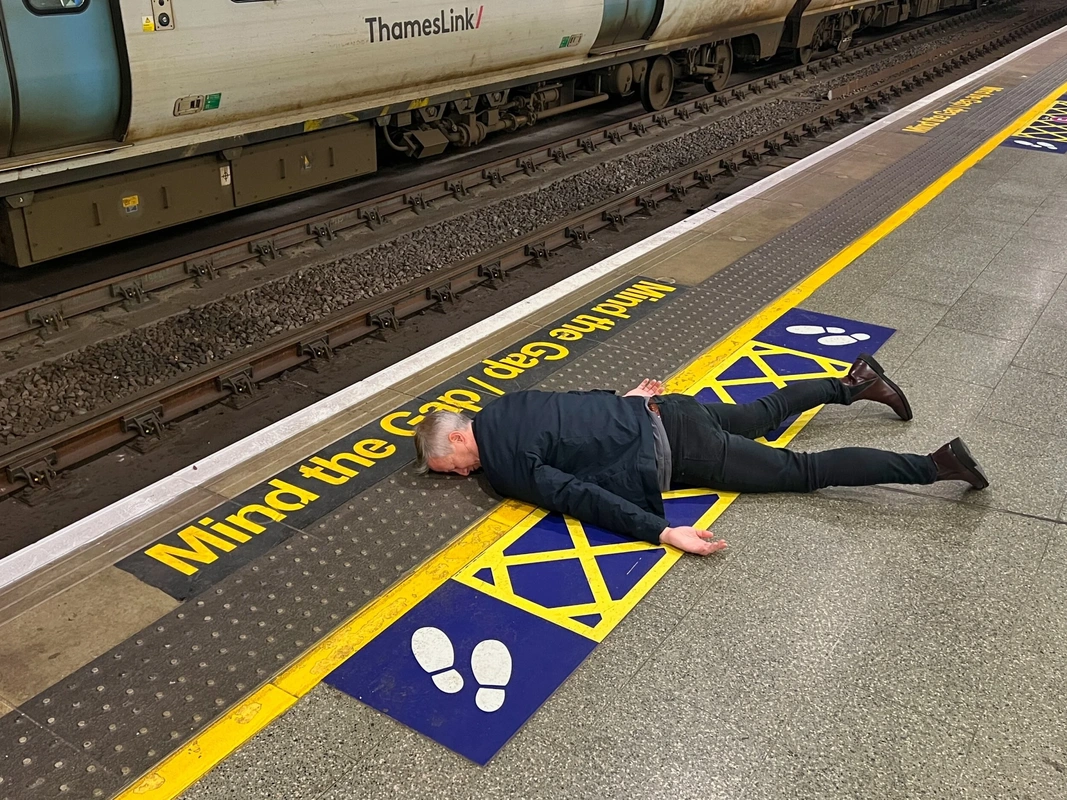
|
A public health approach to criminal Justice
"Immunity finely regulates brain function"
|
Val's Take/Conjecture
|
Abstract Bullets added.
|
where are those mental health centers of excellence?
|
Val's Take
|
Annie Hall --- Diane Keaton, Woody Allen
There needs to be a recognition how fast the research is moving and that current systems are not well designed to address that.
CANCER CENTERS OF EXCELLENCE are a good model.
|
Preview
bodily systems and social media bi-Directional Cross-talk
|
Val's Take/Conjecture
|
Major Systems
|
Precision Psychiatry and PsycGM

|
Val's Take/Conjecture
|

PsycGM: a comprehensive database for associations between gut microbiota and psychiatric disorders (2025)
*China In total, PsycGM incorporated 559 studies from 31 countries worldwide, encompassing research involving humans, rats, mice, and non-human primates. |
Why are neuro-developmental and Psychiatric Disorders ---
Neuro-Immune and Multi-system?
Microglia
|
Val's Take/Conjecture
This rendition is SIMPLISTIC, but it provides a rough Narrative of why Neuro-Developmental & Psychiatric Disorders are Neuro-Immune and Multi-System.
|
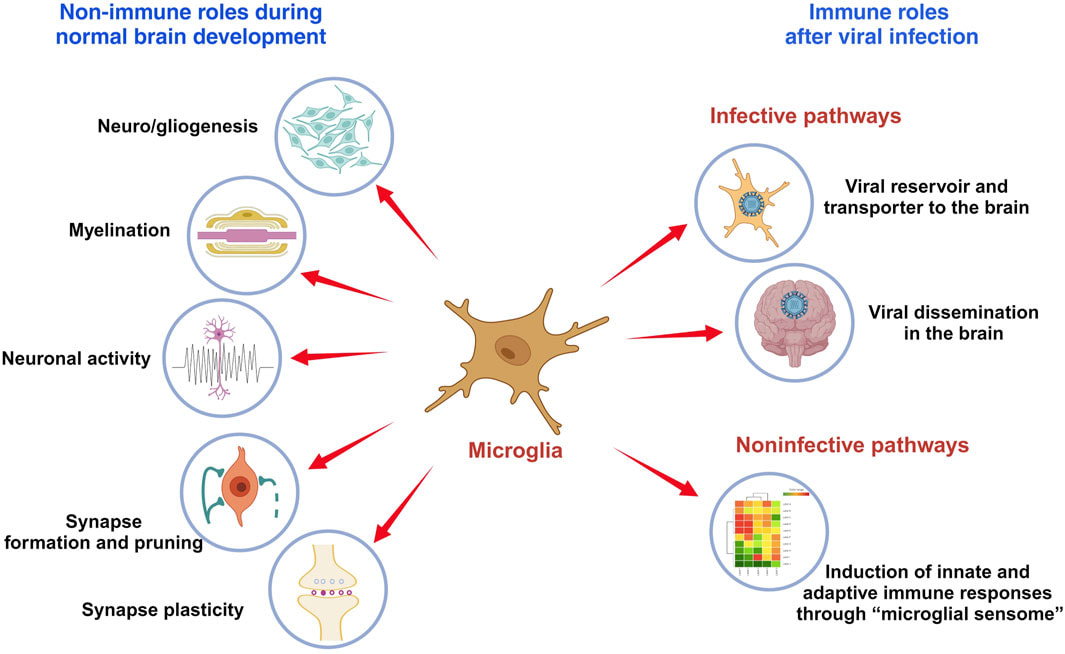
Role of microglia in brain development after viral infection (2024)
University of Texas Why MULTI-SYSTEM? ---
Microglial Cross-Talk
|
scientists linked 29 immune-related proteins to seven neuropsychiatric disorders
suggesting the brain is not the only organ involved in mental health (2025)
|
Val's Take/Conjecture
|

Royal Gorge Bridge
|
PRENATAL INFLAMMATION
synapses, ATP & Executive Functioning Challenges
|
Val's Take/Conjecture
|
|
What's trending on Orchid?
|
PBS NewsHour
Fauci Remembers AIDS Activist Larry Kramer 60 Minutes
Cook County Sheriff Tom Dart --- Jails are the New Asylums (2013) Right around the time the National Institute of Mental Health said the DSM was not a "valid" diagnostic manual because it was not based on the underlying biology but vague symptom clusters. |
Mixed bags
ThE link between bipolar disorder,
intelligence and mitochondrial dysfunction
|
Val's Take/Conjecture
|
How to Solve Wicked Problems Using Integrative Thinking (2010)
Val's Take: To talk about "UNPLEASANT TRADE-OFFS" does not capture the HORROR SHOW that some people experience with Neuro-Developmental, Psychiatric and sometimes surprisingly related conditions such as Auto-Immune Disease and Cancer.
THIS IS A WICKED PROBLEM.
Mitochondria, Oxidative Stress and Psychiatric Disorders: An Integrative Perspective on Brain Bioenergetics (2025)
*Brazil These insights underscore the centrality of mitochondrial health in psychiatric disease and support the development of precision psychiatry grounded in metabolic phenotyping. |
Maternal Mitochondrial dna and dna copy number variation
|
Val's Take/Conjecture
Crosstalk Between Mitochondrial DNA and Immune Response: Focus on Autism Spectrum Disorder (2025)
*China 
Correction of pathogenic mitochondrial DNA in patient-derived disease models using mitochondrial base editors (2025)
*The Netherlands Mutations in the mitochondrial genome can cause maternally inherited diseases, cancer, and aging-related conditions. More and more Neuro-Developmental and Psychiatric Disorders are described as a form of PREMATURE AGING.
|

Conclusions: Our study provides novel evidence that mtDNAcn measured in childhood is associated with children's neurocognitive performance. mtDNAcn may be a marker of healthy child development. |
Talking about mental Health
Where we've been, where we appear to be going
Developmental disorders, dysregulation of the Immune System, Mitochondrial Dysfunction and Genetic Copy Number Variations
|
Val's Take/Conjecture
|
Penetrance of Neurodevelopmental Copy Number Variants Is Associated With Variations in Cortical Morphology (2025)
Authors: long list of Global Leaders Results: For both schizophrenia and developmental disorders, increased penetrance scores were associated with lower surface area in the cerebral cortex and lower intracranial volume.
Copy number variants (CNVs) are deletions and duplications of DNA sequence. |
The crux of it
Precision Psychiatry and Neuro-Developmental Disorders
|
Val's Take/Conjecture
What many Canadian researchers did was start to link the Mental Health Crisis with Population Genetic Copy Number Variation.
One of the bromides of Modern Society is that ADHD is over-diagnosed. That probably does sometimes happen, but if you look at the biological drivers of ADHD and Autism, it is not surprising we've seen large increases.
Trying to effectively deal with conditions that often come with big strengths and big weaknesses is complicated.
ADHD symptoms were pronounced across all groups, but PC-CNVs [Potentially Causative-Copy Number Variations] showed a higher burden of comorbidities, suggesting a stronger genetic contribution to ADHD complexity. |

Gene copy number variation and pediatric mental health/neurodevelopment in a general population (2023)
*Canada Abstract |
Japanese Researchers On Copy Number variations and a
Prescription to move forward
|
Val's Take/Conjecture
Japanese researchers propose the following key priorities for Clinical Implementation:

Genetic insights into neurodevelopment: the critical role of copy number variations in neurodevelopmental disorders (2025)
*India Intelligence, Hyper-Connected Brains, Sensory Processing & Energy
|

Copy Number Variations and Human Well-Being: Integrating Psychiatric, Physical, and Socioeconomic Perspectives (2025)
*Japan Abstract 
Highlights
• Maternal immune activation (MIA) can impair offspring learning and memory. • MIA negatively impacts cognition in rodents. • Males are more susceptible to cognitive deficits. • Some studies show improved cognition after MIA. • Sex differences in immune responses may explain cognitive outcomes. |
The psychological Lens or -- and ---- the biological lens
Working with different levels of analysis
|
Val's Take/Conjecture
That being said, Research is Exploding around the Globe --- we're starting to get answers and surprising therapeutic targets.
|
Billy Joel
Shades of Grey We need these DIFFERENT LEVELS of ANALYSIS as CROSS-CHECKS against each other.
As we first start to consider another perspective --- it can feel grey and maybe a sense of guilt that we weren't totally right. BUT ultimately, either for ourselves or someone down the road --- we have a more complete and colorful view. |
The biological basis of neuro-developmental & Psychiatric disorders
may be more routine nuts, bolts and fuel than we expected
|
Val's Take/Conjecture

|
Conclusions: These findings suggested that dysfunction in mitochondria-related genes may underlie the molecular mechanisms of ADHD and SCZ [Schizophrenia], providing novel biomarkers for diagnosis and therapeutic interventions. So people with Neuro-Developmental and Psychiatric Disorders have often been considered EXOTIC WEIRDOS.
I don't want to take away the cachet of that --- BUT it appears we're still talking about INFLAMMATION or Dysregulated Cytokines --- which we're often talking about in illness of many types.
Epstein-Barr Virus (EBV) and Human Endogenous Retroviruses (HERV-E)
& Maternal Immune Activation
|
Medical School Programs combining Psychiatry and Immunology
|
Val's Take
Such research could lead to new insight into neurological illnesses – ranging from Alzheimer’s and Parkinson’s disease to schizophrenia and autism – that are linked to an immune system gone awry, and lay the groundwork for developing promising immune-based therapies to treat such illnesses. 


|
We study interactions between the brain and the immune system, especially as they relate to the effects of inflammation on the development of psychiatric disorders including depression, anxiety disorders and schizophrenia. 

The Brown Foundation Institute of Molecular Medicine
Center for Neuroimmunology and Glial Biology |
Free Speech as a luxury for Working Stiffs
|
Val's Take
Channel 9 News -- Legal Analyst Whitney Traylor
Employee Free Speech Rights |

MUSICAL SCAPEGOATS
GROUPS, OUT GROUPS and BROADENING THE CIRCLE
|
Crafting public policy responses to the new paradigms in mental health & Beyond
|
Val's Take/Conjecture

Peripheral Inflammatory Parameters in Patients with Antisocial Personality Disorder (2021)
*Turkish Researchers Conclusion: The results of our study suggested that inflammation might play a role in the etiopathogenesis of APD. |

*French, German, Iranian, Australian, Austrian, and US Researchers Importance: Numerous studies indicate that the traditional categorical classification of severe mental disorders (SMD), such as schizophrenia, bipolar disorders, and major depressive disorders, does not align with the underlying biology of those disorders as they frequently overlap in terms of symptoms and risk factors. Conclusion: The observed differences in serum protein expression suggest that disease severity is associated with the convergence of immune system dysregulation and neurodevelopmental alterations, particularly involving pathways related to inflammation and brain plasticity. |
Hypo-thyroidism and Psychiatric & Neuro-Developmental Disorders
hypothalamic-pituitary-thyroid (HPT) axis ---
ENDOCRINE DYSREGULATION
|
Val's Take/Conjecture

|

|
Why aren't we using civil commitment More??? ---
No Adequate Continuum of care
|
Val's Take/Conjecture
|
Forbes Breaking News
Fox News Host Apologizes For Suggesting ‘Involuntary Lethal Injection’ For Homeless Refusing Help |
PV inter-neuron metabolic dysfunction
In Neuro-Developmental Disorders, Psychiatric Disorders, TBI, etc.
|
Val's Take/Conjecture
Cortical inhibitory parvalbumin interneurons exhibit metabolic specializations coordinated by PGC-1α that are lost in rodents and humans after traumatic brain injury (2024)
*US Researchers Parvalbumin-positive interneurons (PV-INs) regulate neuronal and circuit activity, and their dysfunction is observed across neurological conditions, including traumatic brain injury (TBI), epilepsy, Alzheimer’s disease, and schizophrenia. 
|
The role of neuroinflammation in PV interneuron impairments in brain networks; implications for cognitive disorders (2025)
*Iranian Researchers Abstract Neuro-Developmental, Psychiatric, Neuro-Degenerative Disorders and Normal Aging
|
Polis champions personal responsibility on ABC's This Week
|
Val's Take
|

|
Precision psychiatry:
Immuno-therapy and more
The need for an inter-disciplinary clinical practice to address the gut microbiota-immune-brain axis
|
Val's Take/Conjecture

Abstract |

A Case Series of Young People Receiving Adjunctive Immunotherapy for Neuroimmune-Mediated Major Mood or Psychotic Syndromes (2025) *Australian & German Researchers Lead author Dr. Elizabeth Scott at the Brain Mind Centre at the University of Sydney is a global leader in this area. |
Maternal immune activation and above average intelligence
BUT Microglia dysregulation and mitochondria dysfunction
|
Dr. Dan Peters
Summit Center What is Twice-Exceptional & Gifted? Tonic On Demand
Bipolar Disorder
|
Highlights
• Maternal immune activation (MIA) can impair offspring learning and memory. • MIA negatively impacts cognition in rodents. • Males are more susceptible to cognitive deficits. • Some studies show improved cognition after MIA. • Sex differences in immune responses may explain cognitive outcomes. 
Abstract |
Preview
Research: Potential treatments for maternal immune activation
|
Val's Take/Conjecture

Mesenchymal stem cell-derived extracellular vesicles alleviate autism by regulating microglial glucose metabolism reprogramming and neuroinflammation through PD-1/PD-L1 interaction (2025)
*Chinese Researchers After first detecting elevated glycolysis and neuroinflammation in prefrontal cortex (PFC) tissue from the maternal immune activation (MIA) mice, we also demonstrated that PD-1 expression level was upregulated in microglia.
Maternal Inflammatory Proteins in Pregnancy and Neurodevelopmental Disorders at Age 10 Years (2025)
*Danish Researchers CONCLUSIONS AND RELEVANCE 
Val's Take: Neuro-Developmental and Psychiatric Disorders may be largely prevented by the end of the century if not before. |

Targeting extracellular GzmB through the systemic administration of the serine protease inhibitor Serpina3n or genetic ablation of Gzmb in maternal NK cells mitigated neuroimmune disorders in the fetal brain. 
A potential strategy for improving offspring behavior in maternal immune activation: Amantadine-mediated suppression of neuroinflammation (2025)
*Chinese Researchers Conclusion: 
Interleukin-6 produces behavioral deficits in pre-pubescent mice independent of neuroinflammation (2025)
*Rutgers University, New Jersey Maternal inflammation during pregnancy increases the offspring’s risk of developing autism, ADHD, schizophrenia, and depression. 
Resveratrol prevents offspring's behavioral impairment associated with immunogenic stress during pregnancy (2025)
*Brazilian Researchers |
PREVIEW
Inflammation acquired in Utero
and the developmental origins of health & disease
|
Val's Take/Conjecture
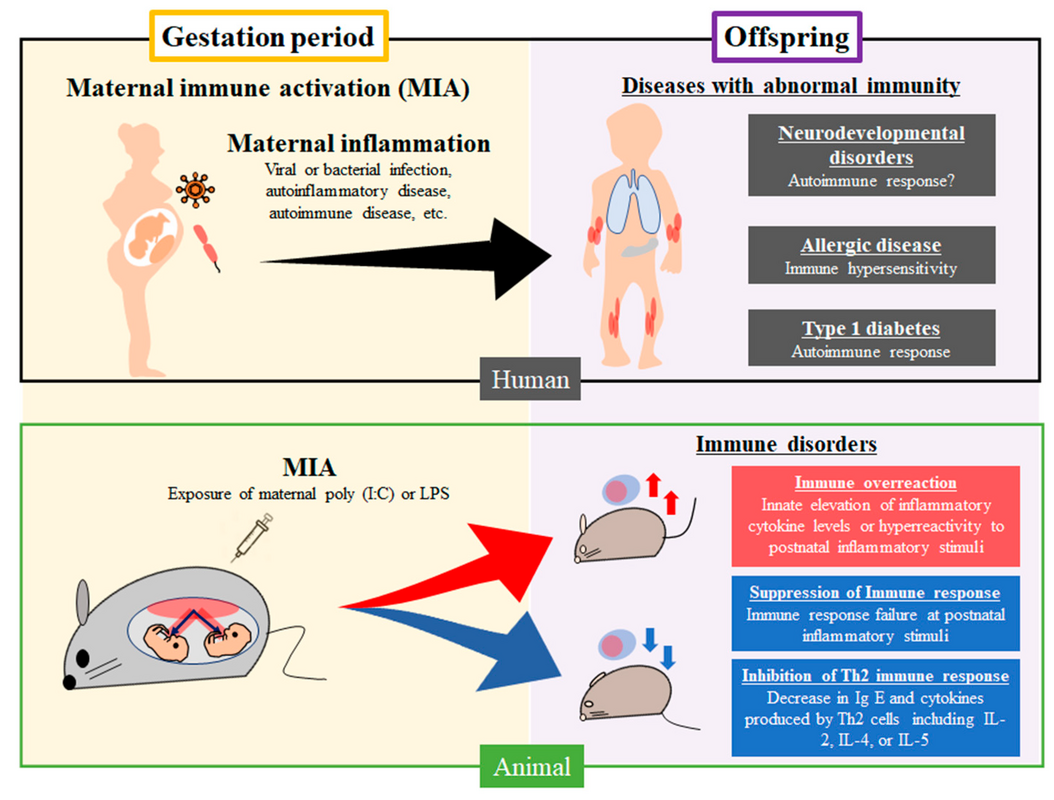
Influence of Immune System Abnormalities Caused by Maternal Immune Activation in the Postnatal Period (2023) *Japanese Researchers Abstract |
The fetal programming effect of maternal immune activation (MIA) on the offspring’s immune system (2024)


Neuroimmune and behavioral changes elicited by maternal immune activation in mice are ameliorated by early postnatal immune stimulation (2025)
*University of Texas Researchers Highlights
|
Preview
Moving from a Uniform treatment model to Precision Psychiatry
|
Val's Take/Conjecture
|

Leveraging an increased understanding of how these interactions regulate immunity has the potential to usher in a new era of precision neuropsychiatric clinical interventions for psychiatric, neurodevelopmental, and neurological disorders. |
Neuro-Developmental & Psychiatric Disorders, Immune cell types and
BUDGETS
|
Val's Take/Conjecture

Neonatal inflammation impairs developmentally-associated microglia and promotes a highly reactive microglial subset (2025)
[Microglia are the brain's resident immune cells.] 
Role of the T-cell network in psychiatric disorders. (2021)
[T-cells are immune cells that play a significant role in adaptive immunity] |
Maternal natural killer cells drive neuroimmune disorders in offspring through aberrant secretion of extracellular granzyme B (2025)
[Natural Killer (NK) cells are a type of immune cell] These findings suggest that exposure to a perturbed maternal milieu reprograms decidual NK cell immunity, disrupting fetal neuroimmune homeostasis and increasing offspring susceptibility to neurodevelopmental disorders later in life. 
What Do ADHD, Long Covid And Ehler’s Danlos Have In Common? Meet The Mast Cell. (2022)
[Mast cells are tissue-resident immune cells.] 
One of the Top Strategic Priorities for Clinical Translation of Immunopsychiatry Research:
"Set up expert clinical facilities with psychiatric, immunological and other relevant expertise" |
Keto diet & Microglial repair
|
Val's Take/Conjecture
MKP ---
The Mitochondrial Ketogenic Pathway 
These results indicate that: Bullets added. |
Conclusion: The KD may serve as a promising therapeutic intervention for various neuropsychiatric disorders. |

In College, I was not particularly interested in EPISTEMOLOGY in philosophy class --- OMG this is SO BORING!!!!!
But I find, I have become very interested in Epistemology as it relates to OUT-DATED DIAGNOSTIC MANUALS and ANCIENT LEGAL CONCEPTS.
But I find, I have become very interested in Epistemology as it relates to OUT-DATED DIAGNOSTIC MANUALS and ANCIENT LEGAL CONCEPTS.
Preview: Olmstead Law & order Thursday
Individualized Keto & Reducing Institutionalization
|
Val's Take/Conjecture
|

Stanford Medicine
2025 Keto Research for $2.50
A non-exhaustive look at research relating to Ketogenic Diets and Mental Health over the current year. 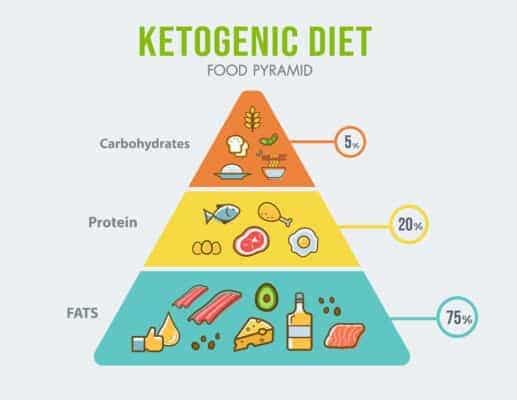
2025 Ketogenic Diet for Mental Health --- Selected ResearchSelected non-exhaustive research that includes traditional psychiatric disorders, neuro-developmental disorders and addiction disorder with regard to Ketogenic Diets [There's nothing on this research table that isn't free and publicly available on PubMed and to a lesser extent AI.
This table compiles that information and puts it in a convenient format to save time for those who want access to this more detailed information on specific studies.] |
Keto Diets and Regulating Microglial activation
|
Val's Take/Conjecture
|
When we think about that care team for people with Neuro-Developmental, Psychiatric and/or Addiction Disorders --- including a Dietician may be an effective and efficient use of resources.
|
The Current direction of psychiatric research ---
"Frontiers in Immunology"
|
Val's Take/Conjecture
Global medical research is going at a very fast pace --- which continues to increase in speed.

|
|
A bi-directional feedback loop between the pancreas and the hippocampus
|
Val's Take/Conjecture
Abstract |
[The pancreas is part of the endocrine system.]
Abstract 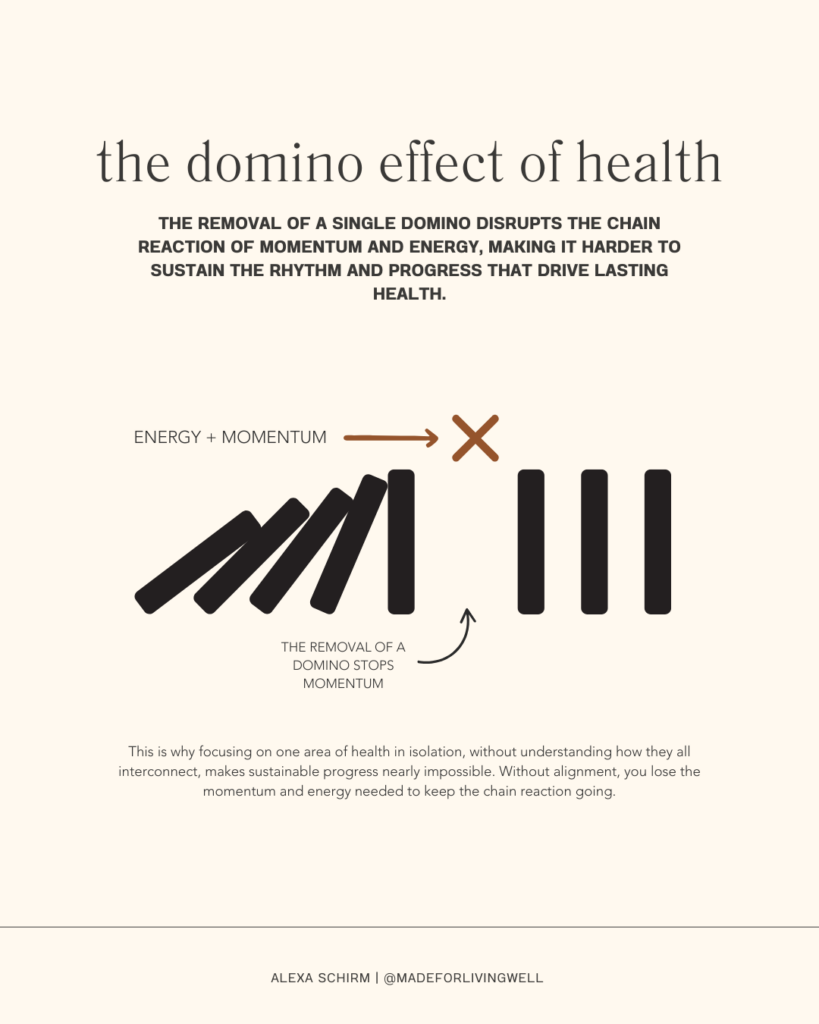
|
We need a frank discussion about "Competency"
|
Val's Take
2 Issues that Need to be Addressed
We're on the cusp of actually getting biomarkers with respect to Suicidality. Who bears the burden if we don't have adequate Biomarkers, Understandings and Treatments?
What does that "BURDEN" look like? |

Colorado parents group calls on lawmakers to amend or repeal criminal competency laws
August 12, 2025 When we know too much to go back, and we don't have all the answers.
|
Preview: Neuro-Diversity Wednesday
Mitochondrial Energy, Sensory Processing and Emotional Regulation
|
|
Therapy In A Nutshell
Exploring a Sensory Diet for Emotional Regulation |
Preview: Neuro-Diversity Wednesday
Accommodating IDIOSYNCRATIC
*Big Strengths,
*BIO-ENERGETICS &
*Executive Functioning
In Employment & ENTREPRENEURSHIP
|
Val's Take/Conjecture
|
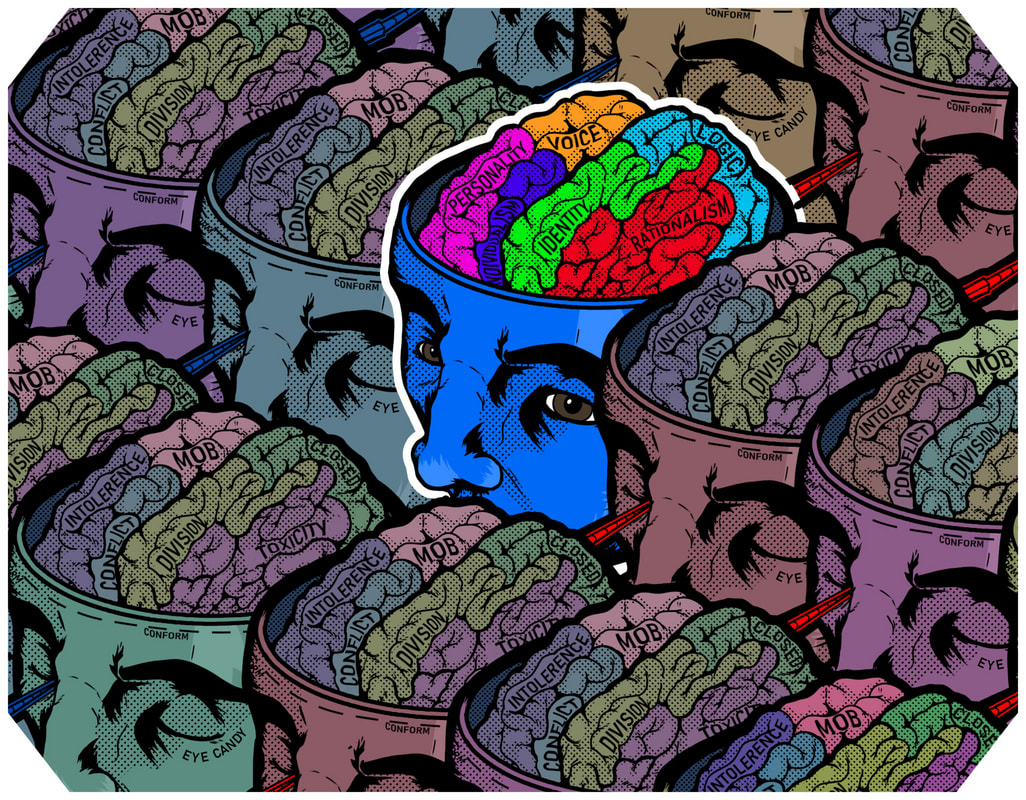
|
LEVELS OF ANALYSIS
|
Abstract |
PREVIEW
Maternal immune responses, Gut MIcrobiota and Sexuality?
Male Homosexuality, Precocious puberty and Female Obesity
|
Val's Take/Conjecture
And there's a lot more.

Venus, Mars and Cupid c.1635
Peter Paul Rubens (1577–1640)
CBS News: ADHD linked to obesity in girls (2016) Val's Take
More recently, we've recognized MITOCHONDRIAL DYSFUNCTION AND DYSREGULATED ATP PRODUCTION as issues in Neuro-Developmental and Psychiatric Disorders. For the woman with MITOCHONDRIAL DYSFUNCTION and DYSREGULATED ATP [Energy] PRODUCTION ---- Were her children surviving if she had more stored energy? In some cases (though not all), there must have been an evolutionary advantage. But evolutionary pressure in Modern Times for both men and women to be "THIN" or some version of "FIT" is INTENSE. At least some of the current diet drugs seem to have an effect on MITOCHONDRIAL DYSFUNCTION. 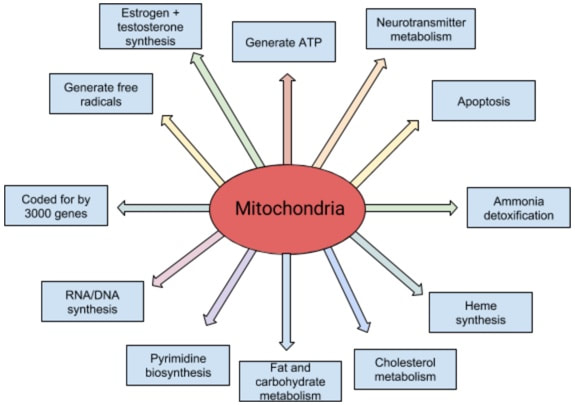

Bridging ADHD and Metabolic Disorders: Insights into Shared Mechanisms and Clinical Implications (2025)
Attention-deficit/hyperactivity disorder (ADHD) is a neurodevelopmental disorder characterized by inattention, impulsivity and/or hyperactivity. |

in Canada
Bogaert, an internationally recognized expert in human sexuality, said the study is groundbreaking for at least two major reasons:
Bogaert said that since the older brother effect was first discovered two decades ago, many studies have replicated it, including cross-cultural ones. But when a Bogaert research project 10 years ago strongly indicated that the older brother effect in men was likely biological in origin, he saw the need to look at prenatal factors, and set out to test the major biological theory explaining this effect through a lab study. 

We found that patients with ASD were prone to precocious puberty, regardless of sex or comorbid neuropsychiatric disorders. 
A Multi-Perspective Qualitative Study About Working With Autistic Individuals in Prison-Based Interventions to Address Sexual Offending (2025)
*UK Researchers 

A SUMMING UP
As we get those MAJOR PARADIGM SHIFTS in Mental Health --- it starts to shift our views on other issues that we might have considered unrelated.
|
PREVIEW
|
Anti-Social Personality Disorder as a Neuro-Developmental Disability 
|
|
Policy Challenges

United Kingdom
|

|
|
top pages
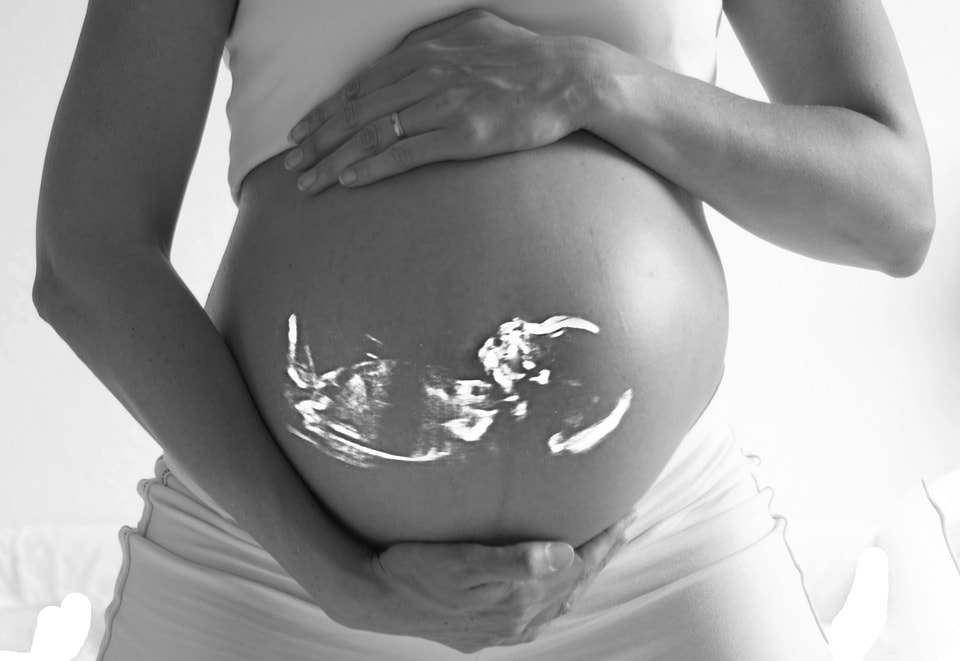


At this time, we generally do not provide INDIVIDUAL ADVOCACY. Further, we do not address Individual Requests for Information and Referral --- See the Orchid Indexes for OTHER RESOURCES.
On the other hand, there is great interest in:
- Working with the Colorado Bar Association and others to design and support Colorado -based Pro Bono Programs