IS THE CHILD "HYPER-ACTIVE" OR IS THE CHILD DISPLAYING "PSYCHO-MOTOR GIFTEDNESS?"
Incorporating Physical Activity Into All Learning, especially for Kids with Hyper-Activity
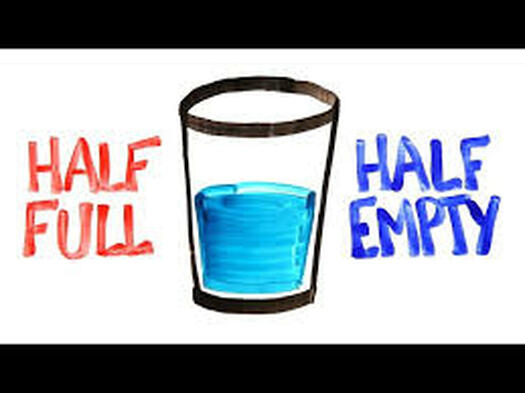
- Is "Hyper-Activity" a curse or a blessing? Well, it depends A LOT on the environment one is put in.
- For the traditional classroom -- it's a curse for the child and for others in the classroom including the teacher. The "Hyper-Active" child may be disrupting the class & bothering other students.
- The PRESCRIPTION: CALM DOWN.
- But the Student doesn't have the ability to CALM DOWN.
- Further -- is all this energy a CURSE or is it maybe a GIFT that needs to be challenged with specialized instruction?
Some students who are "hyper-active" or displaying "psycho-motor giftedness" may need more than 1 hour a day of physical activity. Olympian Michael Phelps famously managed his ADHD with 3 to 4 hours of physical activity a day if not more. Further, several professional athletes have "ADHD." The child may not become a professional athlete, but they may still need specialized development of these gifts. So when we're talking about younger children who are NOT being recognized with "psych-motor giftedness" BUT are getting "in trouble" for not sitting still ---
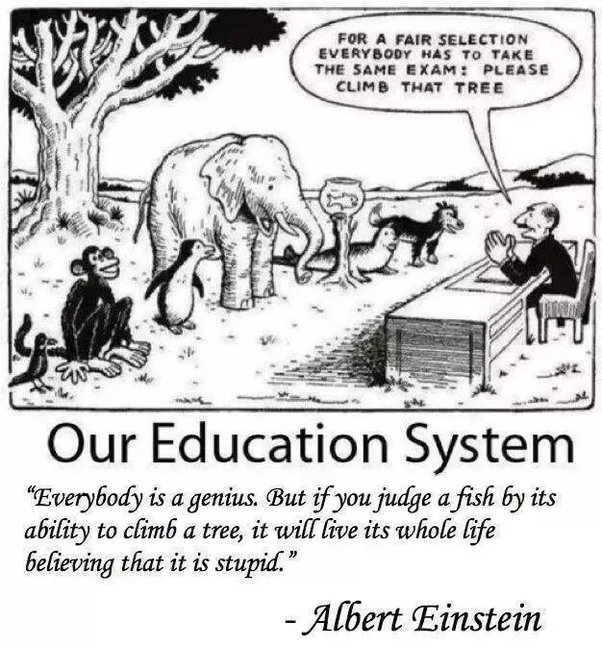
This child may not be right for the typical classroom --- but that may be because they need EXPERT identification and development of their "psycho-motor giftedness" while incorporating standard instructional material. 
Michael Phelps with Mom Debbie Phelps. Photo Credit: Everyday Health
|
Active Schools 
From the Colorado Department of Education website: [Colorado's] Exceptional Children's Educational Act (ECEA) defines "gifted" children as: Those persons between the ages of four and twenty-one whose aptitude or competence in abilities, talents, and potential for accomplishment in one or more domains are so exceptional or developmentally advanced that they require special provisions to meet their educational programming needs. Gifted children are hereafter referred to as gifted students. Children under five who are gifted may also be provided with early childhood special educational services. Gifted students include gifted students with disabilities (i.e. twice exceptional) and students with exceptional abilities or potential from all socio-economic, ethnic, and cultural populations. Gifted students are capable of high performance, exceptional production, or exceptional learning behavior by virtue of any or a combination of these areas of giftedness:
|